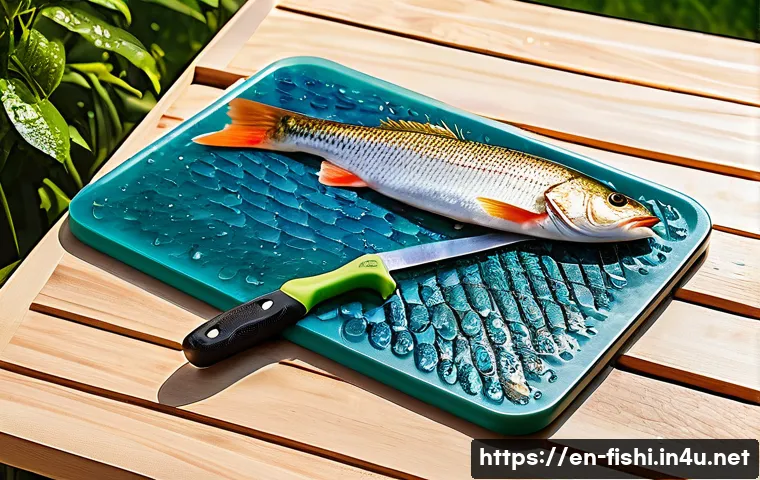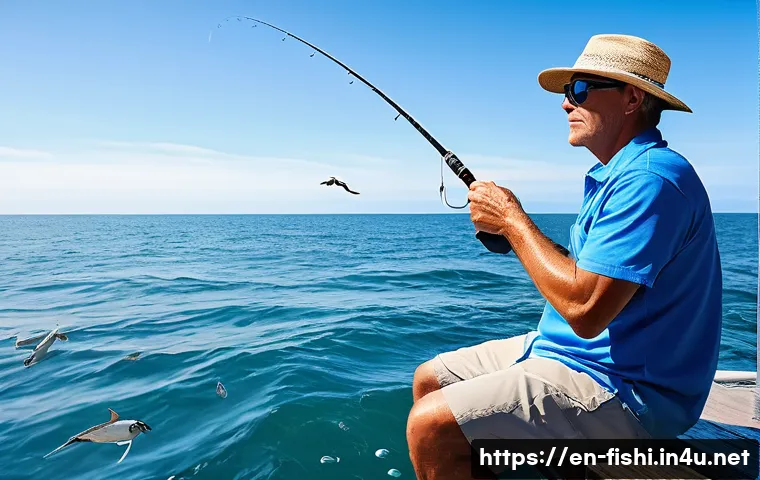
Summer is the perfect season for ocean fishing, offering warm weather and abundant marine life. However, successful fishing trips depend heavily on having the right tackle and gear tailored for the summer sea conditions.
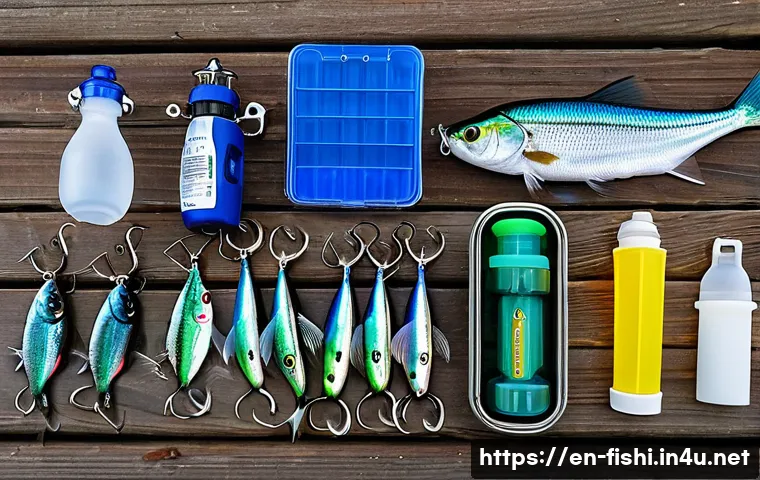
From choosing the best rods and reels to selecting appropriate bait and lines, every detail matters to increase your catch rate. Whether you’re a beginner or a seasoned angler, understanding the nuances of summer saltwater fishing gear can make a huge difference.
Let’s dive into the essentials and discover how to gear up effectively for your next ocean fishing adventure! I’ll guide you through it all with clear, practical tips.
Let’s get started and learn everything in detail below!
Choosing the Right Rod and Reel for Summer Saltwater Fishing
Understanding Rod Power and Action
When heading out for ocean fishing in the summer, the rod you choose can make or break your experience. Rod power refers to the rod’s strength and its ability to handle different sizes of fish.
For summer saltwater fishing, medium to medium-heavy power rods are typically ideal, as they offer a good balance between sensitivity and strength. Action, on the other hand, describes how much the rod bends when pressure is applied.
Fast action rods bend mostly near the tip, giving you better hook sets and control, which is particularly useful when targeting aggressive species common in warmer waters.
I’ve personally found that a medium-heavy fast action rod allows me to feel even subtle bites while still having enough backbone to reel in larger fish.
Selecting the Perfect Reel Type
Reels come in various styles, but for summer ocean fishing, spinning reels and conventional reels are the most popular. Spinning reels are beginner-friendly and versatile, especially for casting lighter baits or lures.
They perform well in saltwater when properly maintained, though they usually don’t hold as much line as conventional reels. Conventional reels, often called baitcasters, are preferred for targeting bigger, stronger species like tuna or grouper because they offer higher line capacity and better drag systems.
From my experience, investing in a quality reel with a smooth drag is crucial because it helps prevent line breakage during those intense fights with fish in the heat of summer.
Matching Rod and Reel for Balanced Performance
One mistake I see anglers make is pairing a heavy rod with a small reel or vice versa. A balanced rod and reel combo reduces fatigue during long fishing sessions under the summer sun and improves casting accuracy.
When you hold your setup, it should feel comfortable and not too top- or bottom-heavy. This balance also helps when fighting fish, allowing you to maintain steady pressure without tiring your wrist or arm.
To get the most out of your gear, try different combos before buying or borrow setups from seasoned anglers to test what feels best for your fishing style and target species.
Optimal Line Selection for Summer Ocean Angling
Types of Fishing Lines and Their Advantages
Choosing the right fishing line is essential, especially when summer conditions can affect visibility and fish behavior. Monofilament lines are popular due to their stretchiness and ease of use, making them forgiving when fighting lively fish.
However, they tend to absorb water and weaken over time. Fluorocarbon lines are nearly invisible underwater, which is a huge advantage in clear summer seas, and they have higher abrasion resistance, which is helpful around rocky reefs or sharp coral.
Braided lines offer incredible strength and sensitivity with less stretch, ideal for heavy cover and deep water fishing, but they are more visible and require a fluorocarbon leader for stealth.
Line Strength and Diameter Considerations
Line strength, measured in pounds, should match the size of the fish species you’re targeting. In summer, when many species are active and aggressive, I usually opt for lines in the 20-30 lb range for general saltwater fishing.
Thicker lines can handle bigger fish but may reduce casting distance and increase visibility underwater. Conversely, thinner lines cast better and are less detectable but risk breaking under pressure.
To strike a good balance, consider the fishing environment and species. For example, if you’re fishing for snappers around reefs, abrasion resistance is more important than sheer breaking strength.
Proper Line Maintenance for Saltwater Durability
Summer saltwater fishing means your gear will face harsh conditions—salt, sun, and sand can degrade lines quickly. After each trip, rinse your lines with fresh water and check for nicks or frays before storing.
I learned the hard way that reusing damaged line leads to frustrating break-offs. Replacing your line every few outings during peak season keeps your setup reliable.
Also, avoid leaving your rod and reel in direct sunlight for extended periods, as UV rays weaken line integrity. Keeping these maintenance habits ensures your line performs well throughout the summer season.
Essential Baits and Lures for Summer Ocean Fishing
Live Baits That Attract Summer Species
Nothing beats live bait when it comes to enticing summer saltwater fish. Common choices include live shrimp, pilchards, and small baitfish like mullet.
These baits mimic natural prey and provoke instinctive strikes from species such as snapper, grouper, and amberjack. When I’m fishing inshore or near structures during summer, live shrimp under a popping cork is my go-to setup.
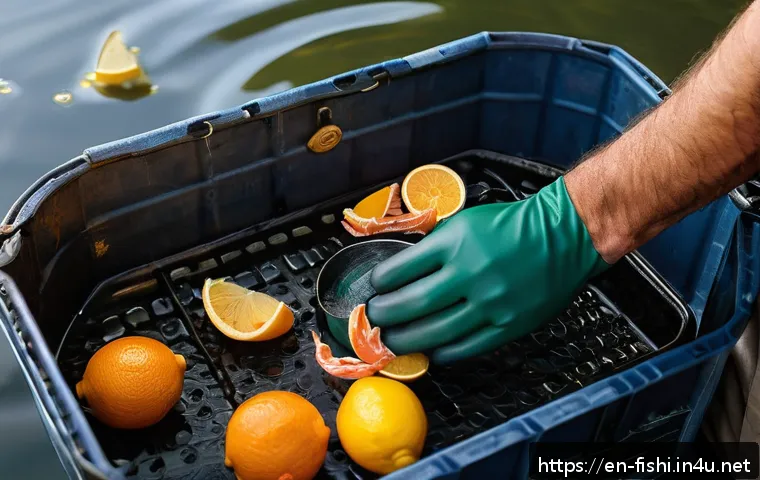
The movement and scent are irresistible to many fish. Just be sure to keep your live bait fresh and lively by storing it properly in aerated bait buckets.
Top Lures for Summer Saltwater Action
Artificial lures can be just as effective, especially when fish are aggressive or bait is scarce. Soft plastic swimbaits, metal jigs, and topwater plugs are excellent choices.
Swimbaits imitate wounded baitfish and work well when cast and retrieved slowly near reefs or wrecks. Metal jigs are fantastic for deeper water or vertical jigging, triggering strikes from pelagic species like mackerel or tuna.
Topwater plugs create exciting surface strikes during calm mornings or evenings. I always carry a variety of lure types in my tackle box because summer fishing conditions can change quickly.
Matching Bait and Lure Size to Target Species
Choosing the correct size is just as important as the bait or lure type itself. Small baits and lures generally attract smaller fish or species feeding on tiny prey, while larger presentations target bigger game fish.
For example, when aiming for kingfish or cobia, I use larger live bait or big swimbaits to provoke aggressive strikes. Conversely, for smaller snapper or grunts, downsizing your bait increases hookup chances.
Observing the local baitfish size and adjusting your offerings accordingly has helped me catch more fish on numerous trips.
Understanding Terminal Tackle for Summer Saltwater Success
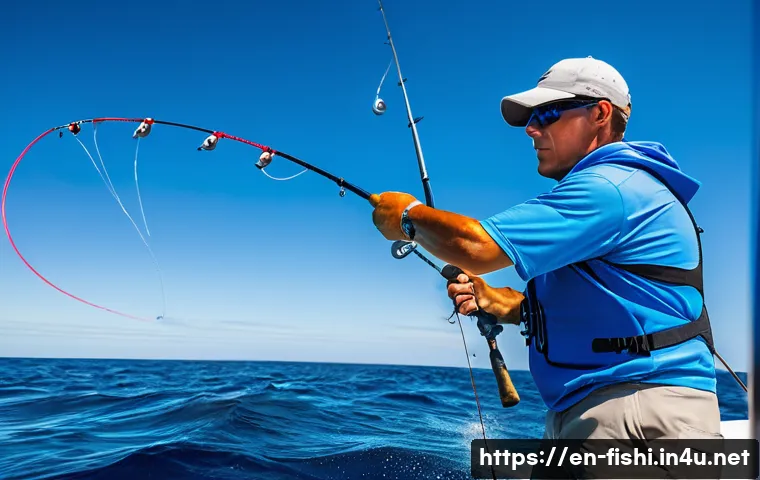
Choosing Hooks and Leaders
Hooks come in many shapes and sizes, but for summer saltwater fishing, strong corrosion-resistant hooks are a must. Circle hooks are excellent for catch-and-release because they tend to hook fish in the corner of the mouth, minimizing injury.
J-hooks provide faster hook sets but require more skill to avoid gut hooking. Leaders protect your line from sharp teeth and rough structures; fluorocarbon leaders are popular due to their invisibility and abrasion resistance.
I always carry a selection of leaders in different strengths and lengths to adapt to conditions and target species.
Utilizing Weights and Sinkers Effectively
Weights help your bait or lure reach the desired depth and stay put in currents. Egg sinkers and split shot are common choices depending on the fishing style.
For drifting over reefs or wrecks, heavier weights prevent your bait from drifting too far off target. When fishing in shallow flats, lighter weights allow a more natural bait presentation.
I’ve noticed that adjusting weight based on tide and wind conditions greatly improves my bait placement and overall catch rate during summer outings.
Swivels and Snaps to Reduce Line Twist
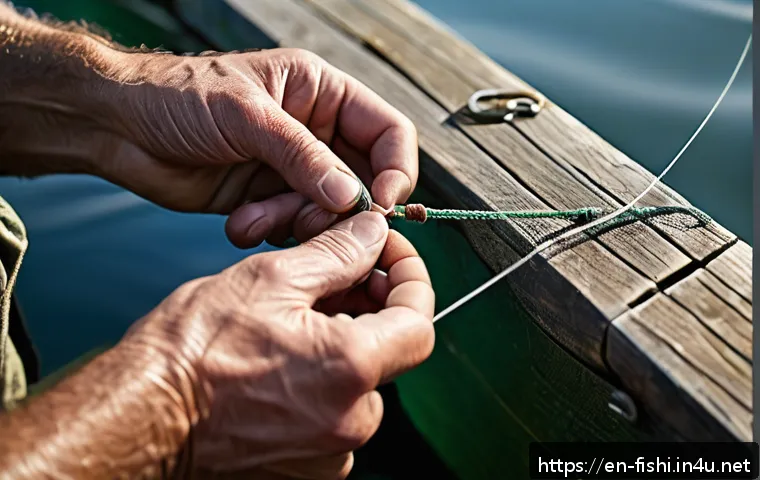
Line twist can be a real nuisance, especially when casting lures or using spinning reels. Swivels and snaps reduce twist and make changing rigs faster.
Ball bearing swivels are ideal for heavy tackle as they rotate smoothly under pressure. Using snaps can speed up lure changes, which is handy when you need to switch tactics quickly.
I keep a variety of swivel sizes on hand and swap them regularly to ensure smooth, tangle-free fishing sessions.
Essential Safety and Comfort Gear for Summer Ocean Trips
Protecting Yourself from Sun and Heat
Spending hours on the water under the summer sun demands proper protection. Wearing a wide-brimmed hat, polarized sunglasses, and lightweight, UV-protective clothing can make a huge difference.
Sunscreen with a high SPF is a must, and I reapply it every couple of hours, especially after sweating or splashing water. Staying hydrated is equally important, so I bring plenty of water and electrolyte drinks.
Comfort and safety go hand in hand, and being prepared helps me enjoy longer, more productive fishing days without the risk of heat exhaustion or sunburn.
Essential Safety Equipment on Board
No matter how experienced you are, accidents can happen at sea. Life jackets, a first aid kit, and a reliable communication device like a VHF radio or waterproof phone case are vital.
I always double-check that my safety gear is in good condition before leaving the dock. Additionally, packing extra food, water, and emergency supplies has saved me on more than one occasion when unexpected delays occurred.
Summer weather can change suddenly, so being prepared helps keep everyone safe and stress-free.
Comfort Accessories for Long Summer Trips
Fishing in summer often means long hours, so comfort gear can enhance your experience. A cushioned seat or portable chair, cooler with ice packs for your catch and drinks, and a small shade canopy or umbrella for your boat provide welcome relief.
I also bring insect repellent for those early morning or evening sessions near mangroves or marshes. These simple additions help me stay focused and energized, turning a tiring day into an enjoyable adventure.
Summary Table of Key Summer Saltwater Fishing Gear
| Gear Category | Recommended Types | Key Features | Personal Tips |
|---|---|---|---|
| Rod | Medium to Medium-Heavy Power, Fast Action | Balanced strength and sensitivity, good hook sets | Test combos before purchase, aim for comfort |
| Reel | Spinning or Conventional | High line capacity, smooth drag, saltwater resistant | Invest in quality, maintain regularly |
| Line | Monofilament, Fluorocarbon, Braided | Strength, abrasion resistance, invisibility | Match line to species and environment, replace often |
| Bait/Lure | Live Shrimp, Pilchards, Swimbaits, Metal Jigs | Natural movement, size matching target fish | Carry variety, observe local baitfish size |
| Terminal Tackle | Circle Hooks, Fluorocarbon Leaders, Ball Bearing Swivels | Durability, reduced line twist, easy rig changes | Stock multiple sizes, replace damaged gear |
| Safety & Comfort | Life Jackets, Sun Protection, Hydration Gear | Protection from elements, emergency preparedness | Prepare for sudden weather changes, bring shade |
Wrapping Up
Choosing the right gear for summer saltwater fishing can truly elevate your experience on the water. From selecting the perfect rod and reel to understanding bait choices and safety essentials, every detail counts. With a bit of preparation and the right equipment, you’ll not only catch more fish but enjoy every moment under the sun. Remember, comfort and care for your gear go hand in hand with success.
Handy Tips to Remember
1. Always test rod and reel combinations before committing to a purchase to ensure balance and comfort during long fishing sessions.
2. Match your fishing line type and strength to the species you’re targeting and the environment you’re fishing in for better performance and fewer break-offs.
3. Keep live bait fresh and lively by using aerated bait buckets, especially when fishing near structures or inshore areas.
4. Regularly inspect and maintain your terminal tackle, replacing hooks and leaders as needed to avoid losing fish due to gear failure.
5. Prioritize sun protection and hydration to stay safe and comfortable during extended summer fishing trips.
Key Takeaways for Successful Summer Saltwater Fishing
Selecting gear that matches your target species and fishing conditions is crucial for both performance and enjoyment. Maintaining your equipment, especially lines and reels, ensures durability in harsh saltwater environments. Balancing comfort with safety through appropriate clothing and emergency gear helps you stay focused and prepared. Ultimately, adapting your techniques and gear based on experience and local conditions will lead to more rewarding and memorable fishing adventures.
Frequently Asked Questions (FAQ) 📖
Q: What type of fishing rod is best for summer ocean fishing?
A: For summer ocean fishing, a medium to medium-heavy spinning or conventional rod around 6 to 7 feet long works best. These rods offer a good balance of strength and sensitivity, allowing you to handle the aggressive saltwater species common in warm months.
I’ve found that rods with corrosion-resistant components are essential since the saltwater environment can quickly wear down gear. Also, a rod with a fast action tip helps detect subtle bites while providing enough backbone to fight larger fish.
Q: Which bait and tackle should I use to increase my chances of catching fish in summer?
A: Live bait like shrimp, squid, or small baitfish tend to be highly effective during summer because many saltwater species actively feed on them. If you prefer artificial lures, go for soft plastics, jigs, or topwater plugs that mimic the local forage.
I personally noticed that using a combination of natural bait with a light wire leader can reduce bite-offs from toothy fish like mackerel. Adjust your tackle to match the target species and water conditions for the best results.
Q: How do I choose the right fishing line for summer saltwater fishing?
A: Braided lines with a fluorocarbon leader are my go-to choice for summer ocean fishing. Braided lines offer superior strength and sensitivity while maintaining a smaller diameter, which helps with longer casts and better hook sets.
Fluorocarbon leaders are nearly invisible underwater and resist abrasion from rocks and fish teeth. In warmer months, fish tend to be more aggressive, so using a line with a test strength that matches your rod and reel setup is crucial to avoid losing your catch during the fight.