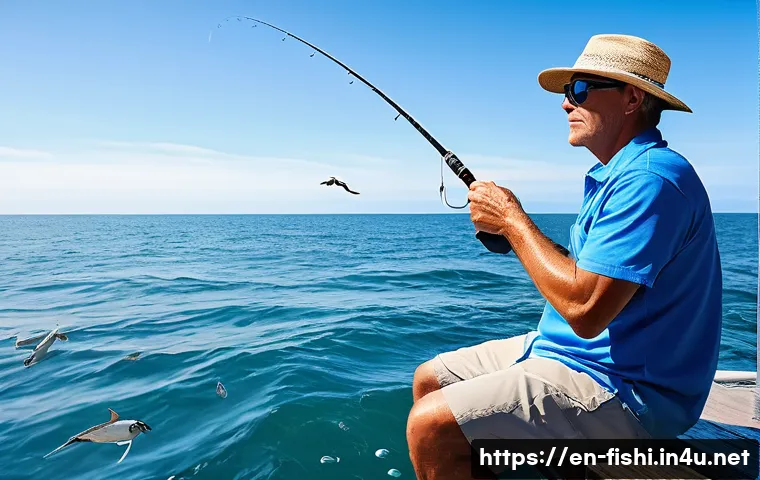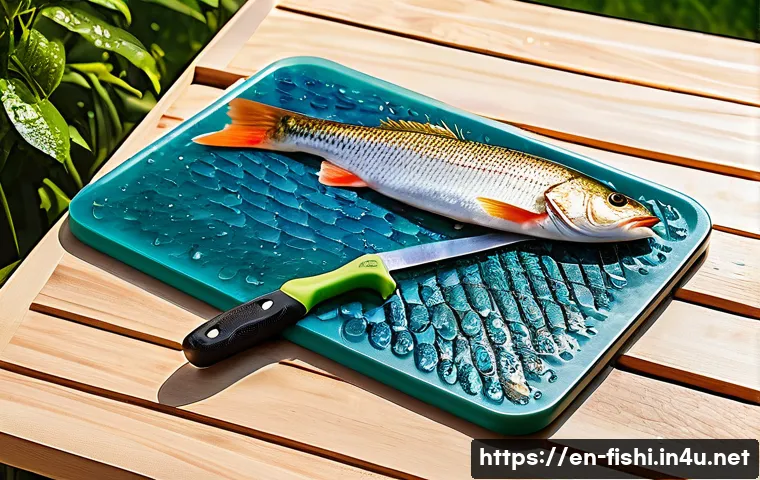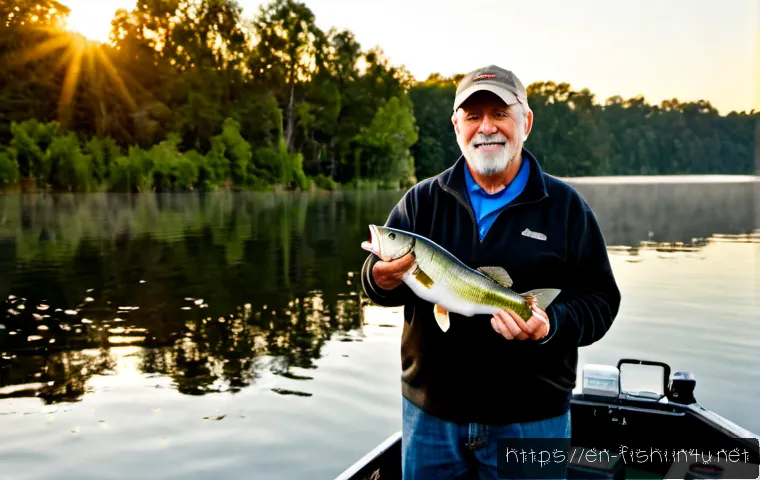
Fishing can become a side income, but the lowest-risk path usually starts with proven skills, local demand, and modest equipment—not a major boat purchase.
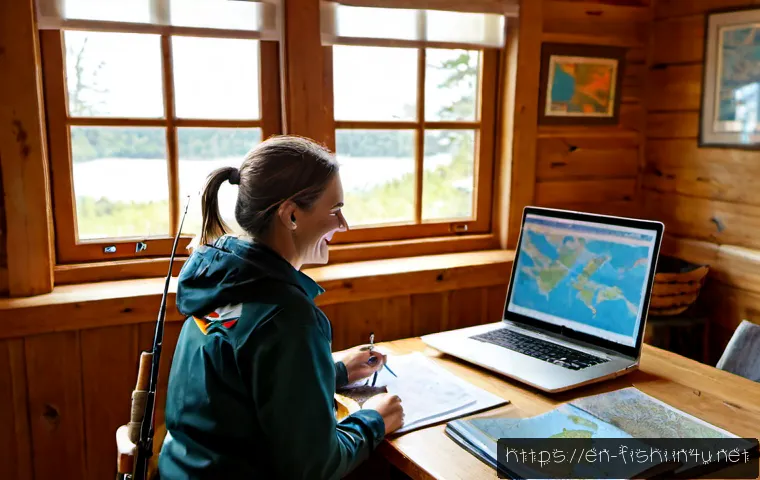
Content, beginner instruction, tackle resale, and local fishing services can be tested before you commit to higher-cost guiding or tournament plans. The right option depends on how much time you have, whether you enjoy working with customers, and what rules apply where you fish.
A fishing guide service, creator setup, insurance policy, license, and safety equipment can all be sensible purchases when they match a validated plan.
Tournament fishing can create opportunities, but payouts are uncertain and costs can rise quickly. Start with one narrow audience, document every expense, and add revenue sources only after the first one is working.
At a Glance
- Start with demand and skills: Local knowledge and repeatable fishing skills matter more than buying premium gear early.
- Choose the risk level carefully: Content and small local services can be tested with less exposure than paid boat trips or tournament travel.
- Check compliance before charging: A recreational fishing license may not cover paid trips, instruction, or a fishing-related business.
| Income Path | Upfront Cost Level | Time Commitment | Revenue Reliability | Main Decision Point |
|---|---|---|---|---|
| Content and affiliate partnerships | Low to moderate | Ongoing publishing | Usually slow and variable | Can you publish useful material consistently? |
| Local instruction or shore sessions | Low to moderate | Scheduled customer time | Depends on local demand and conditions | Do you know safe, accessible locations and enjoy teaching? |
| Paid guiding or charter-style trips | Moderate to high | High planning and customer responsibility | Variable and weather-dependent | Are permits, insurance, safety plans, and boat access ready? |
| Tournament fishing | Moderate to high | Travel, preparation, and event time | Uncertain | Can you absorb entry, travel, fuel, and equipment costs? |
| Tackle resale, lure making, or local services | Low to moderate | Inventory, fulfillment, or appointment time | Depends on margins and repeat customers | Can you manage shipping, customer service, and records? |
Can Fishing Become More Than a Hobby?
The realistic answer: income is possible, but not automatic
Fishing can support a small income stream when it solves a specific problem for other anglers. That problem might be helping beginners understand a local shore spot, reviewing a practical tackle setup, creating clear seasonal content, or supplying a useful custom lure. Catching fish alone is not a business model. The work around fishing—planning, communication, content production, safety preparation, fulfillment, and recordkeeping—often determines whether an idea can continue.
Conditions also change. Weather, water levels, seasonal access, fish behavior, and local rules can affect both fishing results and scheduling. Treat early income as a test, not as proof that a path will replace full-time work.
Five routes anglers commonly explore
The most common routes are content creation, affiliate partnerships, local instruction, paid fishing trips, tournament participation, and small product or service businesses. These paths can overlap, but they should not all be started at once. A shore angler might begin with short local videos, then offer beginner-friendly sessions only after confirming the applicable rules. A lure maker might begin with a small product range before holding inventory across too many colors, sizes, and species categories.
Top-three takeaways for starting without overspending
- Validate interest first: Look for real questions, repeat requests, and a clear local need before expanding equipment.
- Keep hobby and business expenses separate: This makes it easier to see whether the activity is actually covering its costs.
- Buy for a defined job: A camera, tackle organizer, booking tool, boat upgrade, or shipping supply should solve a known operational need.
Compare Fishing Income Paths Before You Invest
Content creation and affiliate partnerships
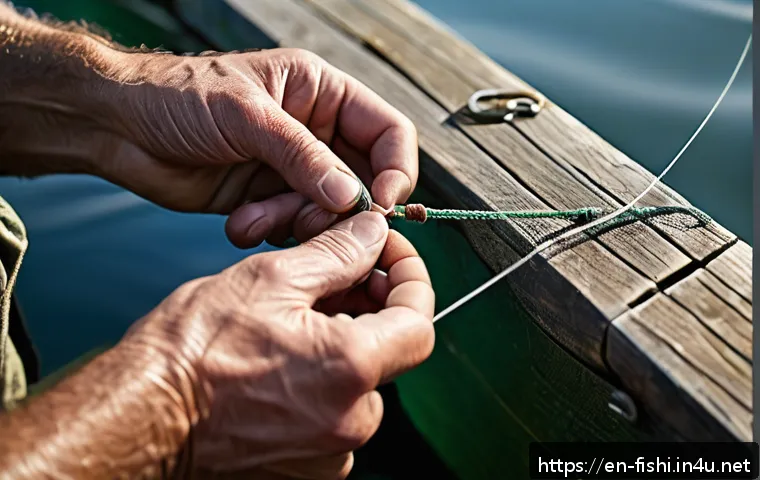
Content is often a practical hobby-first route because you can build around fishing trips you already take. Useful topics include seasonal tackle choices, responsible handling, shore-access preparation, knot demonstrations, or clear comparisons between types of rods, reels, lures, and storage systems. A focused audience is more useful than broad, generic fishing posts.
Revenue from fishing content commonly depends on audience size, platform eligibility, sponsorship terms, affiliate disclosures, and consistent publishing. Do not assume a few popular posts will create dependable income. If you recommend fishing gear through an affiliate relationship, make the disclosure clear and keep recommendations honest. Before buying creator tools, compare whether a basic phone, simple audio setup, editing workflow, or product comparison format would meet the need.
Local guiding, instruction, and shore-fishing sessions
Teaching can suit an experienced angler who is patient, organized, and familiar with accessible local water. Beginner sessions may focus on casting basics, safe setup, local regulations, fish handling, lure selection, and reading conditions. This route is customer-facing, so clear expectations matter: explain what is included, what participants bring, what weather may change, and what is never guaranteed.
Do not assume a recreational license is enough for paid instruction or trips. Paid fishing activity may require additional permits, business registration, insurance, and safety equipment. Requirements vary by location and species, so check with the relevant local authorities and an appropriate insurance provider before accepting payment.
Tournament fishing and competitive opportunities
Tournaments can be meaningful for anglers who enjoy competition, networking, and preparation. They can also create content ideas and relationships within the fishing community. But tournament payouts are not guaranteed, and an apparent prize opportunity should be viewed alongside entry fees, fuel, travel, lodging, equipment use, and lost work time.
Use a simple event budget before registering. Include every expense you expect, then separate the competition experience from the income expectation. A tournament can be a valid hobby expense without being a reliable business plan.
Tackle resale, lure making, and small product businesses
Product-based work may appeal to anglers who enjoy gear selection, repair, customization, or making lures. Reselling used gear, curating starter kits, offering tackle organization help, or producing a narrow lure line can be easier to test than a broad online store. Start with a defined customer: for example, beginners who need simple shore-fishing tackle choices or anglers looking for a particular local presentation.
This path involves more than selecting products. Inventory, packaging, shipping, tax records, warranty questions, returns, and customer service all take time. Before committing to inventory, map out the cost of goods, shipping process, storage space, and margin. A product that sells but creates frequent support issues may not be a good fit for a part-time business.
Cost, risk, and time-commitment comparison table
There is no universal “best” fishing side hustle. Content can have a low equipment threshold but demands regular publishing. Guiding may create more direct customer value but adds compliance and safety responsibilities. Product sales can be scaled gradually but require fulfillment discipline. Tournament fishing is the least dependable choice when the goal is predictable revenue.
What Successful Hobby-to-Income Transitions Usually Have in Common
Strong local knowledge and repeatable fishing skills
Good fishing days are not enough. A useful service or content channel needs repeatable knowledge: how to prepare for a season, identify changing conditions, select appropriate tackle, explain regulations, and adjust expectations responsibly. Strong local knowledge is especially valuable when it helps visitors or newer anglers fish more safely and respectfully.
A specific audience rather than “all anglers”
It is easier to serve a narrow group than everyone. You might help new shore anglers, families learning basic tackle setup, travelers researching local access, or experienced anglers seeking a particular style of lure. Specific audiences make gear selection, content topics, pricing decisions, and service boundaries clearer.
Trust-building through clear expectations and responsible advice
Do not promise fish, a trophy catch, sponsorship income, or tournament results. Explain the variables that cannot be controlled, including weather, water conditions, seasonal access, and fish behavior. If you publish sponsored material or affiliate recommendations, use clear disclosures. Trust can be a stronger long-term asset than a dramatic catch photo.
Multiple small revenue sources instead of one uncertain payout
A more resilient setup may combine several modest activities: regular content, occasional instruction, a small tackle product line, and carefully chosen affiliate recommendations. This does not mean adding every possible income source. It means avoiding dependence on a single tournament result, one sponsor, or a short fishing season.
Start Small: Costs, Legal Checks, and Mistakes to Avoid
Separate recreational spending from business spending
Keep a clear record of what you buy for personal fishing and what supports a business activity. A new rod may be enjoyable, but it is not automatically a business necessity. Separate records make it easier to evaluate a decision such as upgrading fishing gear, adding a camera, paying for a booking tool, or ordering packaging supplies.
Check licenses, permits, insurance, and safety requirements
Fishing rules, seasons, catch limits, and license requirements vary by location and species. Paid trips may create additional obligations beyond recreational fishing. Before you offer guiding, instruction, transport, or boat-based trips, confirm the relevant permits, insurance coverage, safety equipment, local business registration, and emergency plan. If you work with clients, do not rely on assumptions from another state, region, lake, or coastal area.
Avoid buying expensive equipment before validating demand
A boat purchase, electronics upgrade, large tackle inventory, or professional creator setup should follow a tested plan. First, see whether people consistently ask for the service or product you want to offer. For a guide service, that may mean confirming local interest and compliance requirements. For product sales, it may mean testing a limited run. For content, it may mean publishing consistently enough to learn what your audience actually values.
Track fuel, tackle, platform fees, travel, and tax records
Small costs can become significant when they repeat. Track fuel, tackle replenishment, travel, lodging, shipping, platform fees, packaging, and any professional services used for business setup. Keep records organized from the beginning, and seek appropriate local tax or business guidance when needed. The purpose is not only compliance; it is to understand whether the path is financially sustainable.
Choose a Path Based on Your Fishing Situation

For anglers with limited time and a small budget
Start with content, simple gear comparisons, local fishing checklists, or a small service that does not require major inventory. Focus on a narrow topic you can cover honestly. A consistent schedule matters more than expensive production.
For experienced local anglers with teaching skills
Beginner instruction or shore-fishing sessions may be a better match than buying a boat. Build a clear session outline, define safety boundaries, and verify the licenses, permits, and insurance requirements that apply before charging clients. Your ability to communicate calmly may be as valuable as your fishing knowledge.
For boat owners considering paid trips
Boat ownership does not automatically make paid trips financially sensible. Compare the additional responsibilities: safety equipment, insurance, permits, maintenance planning, customer communication, weather decisions, and scheduling. Only consider paid trips after compliance and demand are both clear.
For anglers who prefer online content or product sales
Choose content if you like publishing and can explain why a piece of fishing gear may suit a particular situation. Choose product sales if you prefer sourcing, making, packing, and supporting what you sell. Review creator tools, e-commerce features, shipping options, and product warranty responsibilities based on the workflow you actually need.
Selection Criteria and Comparison Summary
Choose content when you can publish consistently
Choose this path if you can create helpful material on a regular basis and are comfortable with delayed, variable results. Budget for basic creator tools only after you have a repeatable publishing process.
Choose guiding when you have local demand and compliance readiness
Choose this path if you have strong local knowledge, enjoy working with people, and can meet the applicable licensing, permit, insurance, and safety requirements. Budget for customer communication, safety planning, and business administration before you commit.
Choose product sales when margins and fulfillment are clear
Choose this path if you can define who the product is for and understand the work behind inventory, shipping, tax records, warranty questions, and customer service. Budget for a small test batch rather than a broad catalog.
Use a 90-day validation plan before making a large purchase
For the next 90 days, select one path and measure practical signals: inquiries, repeat interest, content consistency, customer feedback, time spent, and every expense. Ask yourself:
Is there real demand? Can I deliver this safely? Does the workload fit my life?
What must be verified locally before I charge?
Compare fishing gear, charter insurance options, licensing guidance, creator tools, or business setup services only when one of these questions reveals a genuine need. Official guidance and full policy conditions should be checked on the relevant provider or authority page.
Closing Thoughts
A fishing hobby can lead to income, but it works best when the first goal is usefulness rather than fast earnings. Start with the knowledge, equipment, and access you already have. Test one focused offer, keep records, and make larger purchases only after demand and responsibilities are understood. Responsible expectations protect both your budget and the anglers who may rely on your advice.
Useful Information to Know
1. Fishing seasons, access rules, catch limits, and licensing requirements can change by location and species.
2. Customer-facing fishing services may need more than a recreational license.
3. Sponsorship and affiliate income can involve eligibility rules and disclosure requirements.
4. Weather and water conditions can affect both planned trips and revenue consistency.
Important Considerations
This article does not determine the permits, insurance, tax treatment, safety obligations, or profitability that apply to your situation. Local requirements, target species, boat access, business model, and operating area all need to be verified independently. No fishing income path guarantees earnings or replaces a full-time income.
Frequently Asked Questions
Q1. Can you realistically make money from fishing as a hobby?
A1. Yes, it is possible through content, instruction, guiding, product sales, local services, or competitive fishing. However, income is not automatic and may be affected by demand, consistency, conditions, operating costs, platform rules, and local compliance requirements.
Q2. What is the lowest-cost way to start earning from fishing?
A2. Content creation or a small, focused local service may allow you to test interest without a major equipment purchase. Use the gear and fishing knowledge you already have, then upgrade only when a specific need is proven.
Q3. Do I need insurance or permits to take people on paid fishing trips?
A3. You may. Paid fishing trips can require additional permits, insurance, safety equipment, or local business registration beyond a recreational license. Requirements vary, so confirm them with the relevant local authorities and insurance provider before taking bookings.
Q4. Is buying a boat worth it for a fishing side business?
A4. It may be worthwhile only when demand, compliance obligations, operating responsibilities, and your budget are clear. A boat can add maintenance, fuel, safety, insurance, and scheduling considerations, so it should not be treated as an automatic route to income.
Q5. Are fishing tournaments a reliable source of income?
A5. No outcome is guaranteed. Tournament payouts may be offset by entry fees, travel, fuel, lodging, and equipment costs. They can be part of an angler’s broader activities, but they are not a dependable income source for most planning purposes.