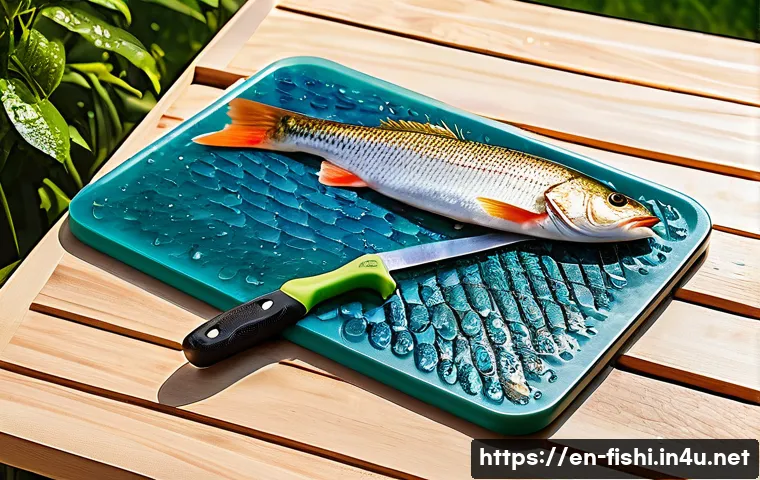
With more people seeking meaningful escapes in nature, camping and fishing have surged in popularity as the go-to outdoor activities for relaxation and adventure.
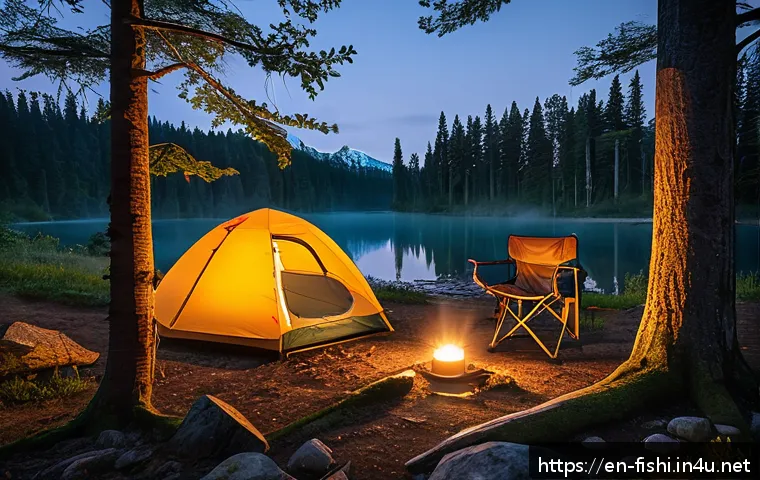
Whether you’re a seasoned pro or just starting out, mastering these skills can transform your trips into unforgettable experiences. I’ve spent countless weekends refining my approach, discovering tips that truly make a difference in comfort and success.
In this post, I’ll share practical advice to help you navigate the challenges of the wild while maximizing fun and safety. Get ready to elevate your outdoor game and create memories that will last a lifetime!
Choosing the Right Gear for Your Outdoor Adventures
Finding the Perfect Tent and Shelter
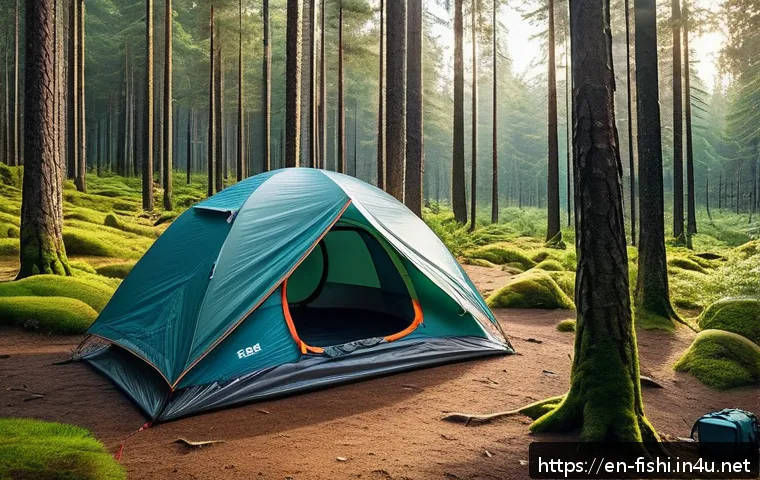
When it comes to camping, your choice of shelter can make or break your experience. I’ve learned that investing in a lightweight, weather-resistant tent pays off tremendously, especially if you’re hiking to your campsite.
For family trips or car camping, a larger tent with multiple rooms and good ventilation keeps everyone comfortable. Don’t forget to test your tent setup at home first—it saves you from fumbling in the dark or rain.
Also, consider a footprint or tarp underneath your tent to protect against moisture and sharp rocks. I’ve noticed that a good shelter setup lets you rest better and wake up refreshed for the day’s activities.
Essential Camping Tools That Boost Comfort
From portable stoves to multi-tools, having the right equipment is a game changer. I always carry a compact camp stove because cooking over an open fire isn’t always practical or safe, especially in dry areas.
A reliable headlamp with adjustable brightness is another must-have; hands-free lighting keeps your tasks easier after sunset. Also, a quality sleeping pad makes a huge difference in how well you sleep—trust me, a thin foam mat won’t cut it on rocky ground.
Packing smart means less stress and more enjoyment during your trip.
Fishing Gear Tailored to Your Skill Level
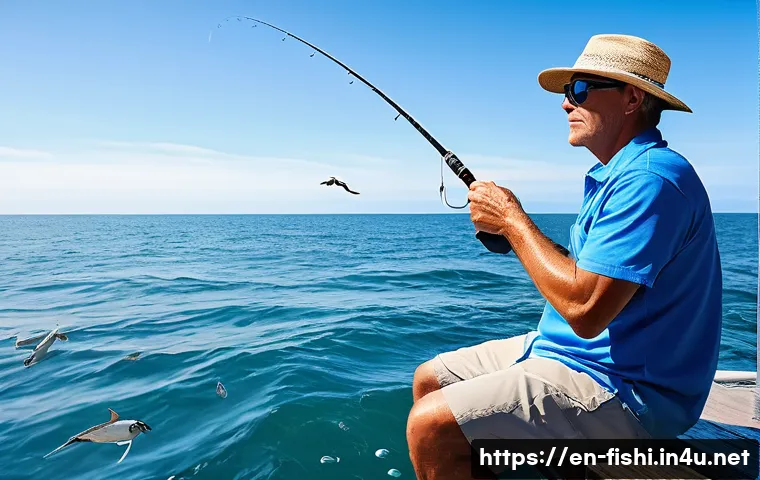
Fishing gear can feel overwhelming at first, but starting simple is key. I began with a basic spinning rod and reel combo, which worked perfectly for freshwater lakes and rivers.
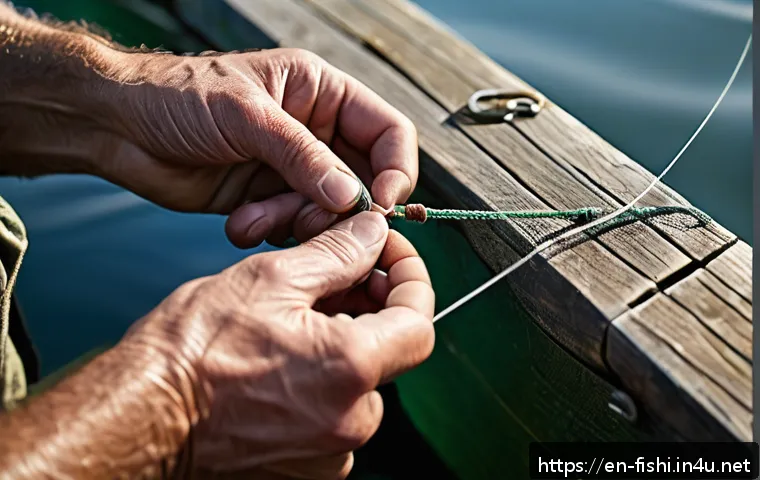
As I got more experienced, I added specialized lures and a tackle box organized by fish species and water conditions. Don’t overlook the importance of a good fishing line and hooks—they directly impact your catch rate.
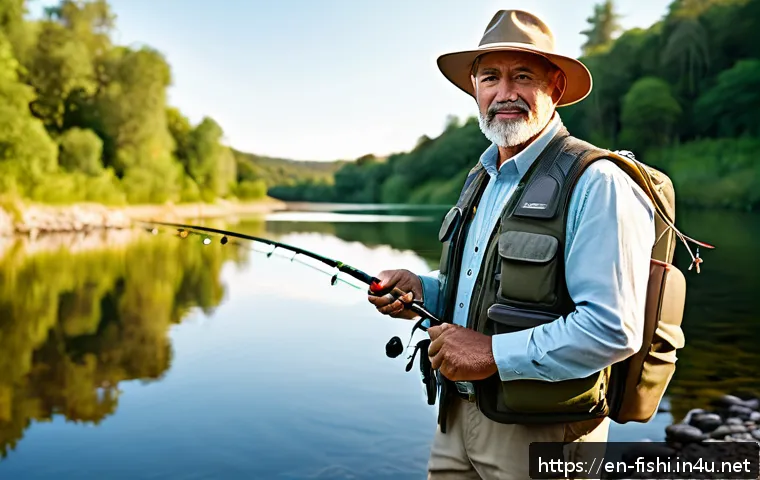
Also, a comfortable fishing vest with plenty of pockets helps keep everything within reach, so you’re ready when the fish bite.
Mastering Campsite Setup for Maximum Enjoyment
Picking the Ideal Spot
Location matters a lot more than I initially thought. A flat, elevated area avoids water pooling if it rains, and proximity to natural windbreaks like trees or rocks can shield you from harsh weather.
I always scout for a spot that balances privacy with safety—too close to trails or water can mean unexpected visitors, both human and animal. Also, setting up near a water source is convenient but be mindful of local regulations to protect the environment.
Taking the time to choose the right spot sets the tone for your whole trip.
Organizing Your Camp Efficiently
Once you have your spot, arranging your camp for easy movement and safety is crucial. I like to keep cooking and eating areas downwind from my sleeping quarters to avoid attracting critters at night.
Storing food in bear-proof containers or hanging it high in a tree is essential in many areas to prevent wildlife encounters. Lighting paths around the campsite with solar or battery-powered lanterns helps avoid accidents after dark.
A well-organized camp not only looks neat but also makes your experience much more relaxing and secure.
Setting Up for Nighttime Comfort and Safety
Nighttime brings its own challenges, especially when the temperature drops or bugs come out. I always pack a quality sleeping bag rated for the expected temperature and a warm hat because a surprising amount of heat escapes from your head.
Mosquito nets or natural insect repellents keep the bugs at bay without the harsh smell of chemicals. Before turning in, I double-check that all fires are fully extinguished and that gear is stowed safely.
These small steps have saved me from discomfort and potential hazards more than once.
Techniques and Tips for Successful Fishing Trips
Understanding Local Fish Behavior
Fishing success often comes down to knowing your target species’ habits. For example, trout tend to feed actively during early morning or late evening, so timing your trip around these periods can increase your catch.
I’ve found that observing water temperature, clarity, and flow helps predict where fish might be hiding. Researching local fishing reports or chatting with park rangers can provide invaluable insider tips on seasonal patterns.
The more you tune in to nature’s cues, the better your chances of landing a big one.
Mastering Casting and Retrieval Techniques
Casting isn’t just about distance; accuracy plays a huge role. Early on, I struggled with wild casts that scared fish away. Practicing smooth, controlled motions helped me improve my aim and presentation.
Retrieval speed varies depending on the lure and fish species—sometimes a slow, steady pull works, other times a quick twitch triggers strikes. Experimenting with different techniques on the water is the best way to learn, and every failed cast is a lesson in disguise.
Patience and practice turn fishing into a satisfying skill rather than just a waiting game.
Handling and Releasing Fish Responsibly
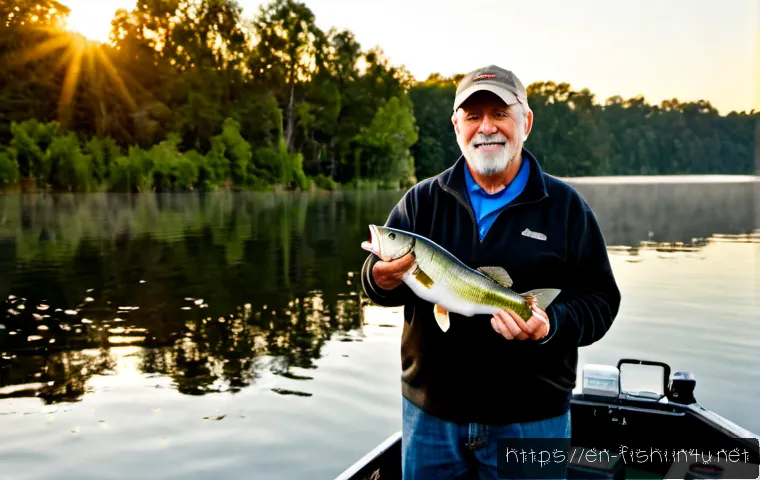
Respect for wildlife is a core part of fishing ethics. When you catch a fish, handling it gently with wet hands or gloves reduces damage to its protective slime layer.
Using barbless hooks makes releasing fish easier and less harmful. If you plan to keep your catch, know the local size and bag limits to avoid overfishing.
I’ve found that practicing catch and release not only helps sustain fish populations but also adds to the joy of fishing knowing you’re preserving the ecosystem for future outings.
Staying Safe and Prepared in the Wilderness
Emergency Essentials You Should Never Forget
I always pack a small first aid kit tailored to outdoor injuries—think blister pads, antiseptic wipes, and pain relievers. A whistle and signaling mirror can be lifesavers if you get lost or need help.
Carrying a reliable multi-tool with a knife, pliers, and scissors adds versatility. Don’t underestimate the value of a portable phone charger or a GPS device; even in remote areas, technology can provide a crucial lifeline.
Being prepared for the unexpected gives peace of mind and lets you enjoy nature with confidence.
Weather Awareness and Adaptation
Weather can shift rapidly, and I’ve learned to check forecasts daily before heading out. Packing layers is essential—think moisture-wicking base layers, insulating mid-layers, and waterproof outer shells.
I once got caught in an afternoon thunderstorm unprepared, and it was a harsh reminder that nature is unpredictable. Knowing how to quickly set up shelter or find safe cover can prevent hypothermia or heat exhaustion.
Staying flexible and informed about weather patterns makes your outdoor time safer and more enjoyable.
Wildlife Encounters and Respectful Distance
Encountering wildlife is one of the highlights of camping and fishing, but it requires caution. I always keep a safe distance and avoid feeding animals, which can alter their natural behavior.
Making noise while hiking reduces surprise encounters, especially with larger mammals like bears or moose. Carrying bear spray in certain regions is a wise precaution.
Observing animals quietly and respectfully enhances your connection to nature without putting anyone at risk.
Meal Planning and Cooking for Outdoor Enthusiasts
Simple, Nutritious Meals on the Go
Eating well outdoors keeps your energy up and mood positive. I’ve found that meals combining protein, carbs, and fats fuel me best—think oatmeal with nuts for breakfast or grilled chicken with veggies for dinner.
Pre-packaged dehydrated meals are convenient but often pricey, so I prefer prepping my own trail mixes and freeze-dried recipes. Planning portions carefully avoids food waste and reduces pack weight.
A little effort in meal prep translates to better performance and enjoyment in the wild.
Cooking Techniques That Work Everywhere
Whether you have a camp stove or an open fire, knowing a few cooking tricks saves time and frustration. Using foil packets to grill vegetables or fish keeps things clean and tasty.
I always bring a lightweight pot with a lid for boiling water or making soups, which warms you up on chilly nights. Managing fire safety by keeping water nearby and never leaving flames unattended is critical.
Over time, I’ve learned that simple meals cooked well taste better than complicated recipes done poorly in the outdoors.
Storing and Managing Food Safely
Proper food storage prevents attracting wildlife and keeps your supplies fresh. I use airtight containers and resealable bags to protect food from moisture and pests.
In bear country, hanging food at least 10 feet off the ground and 4 feet away from tree trunks is standard practice. Refrigeration isn’t an option, so planning meals with non-perishables or using coolers with ice packs helps.
I’ve noticed that organized food storage reduces camp clutter and stress, making meal times something to look forward to.
Balancing Relaxation and Adventure on Your Trip
Incorporating Rest Time into Your Schedule
It’s tempting to fill every minute with activities, but I’ve found that scheduling downtime improves the overall experience. Sitting by the campfire with a book or simply soaking in the scenery refreshes both body and mind.
Even short naps during the day can boost your energy for fishing or hiking later. Listening to your body’s needs prevents burnout and keeps the trip enjoyable from start to finish.
Exploring Surrounding Nature Responsibly
Adventure often means exploring beyond your campsite, but it’s important to do so respectfully. Sticking to marked trails minimizes environmental impact and reduces the chance of getting lost.
Carrying a small daypack with essentials lets you explore comfortably without overburdening yourself. I enjoy spotting local flora and fauna while moving at a relaxed pace—it turns hiking into a mindful experience rather than a race.
Creating Lasting Memories with Friends and Family
Sharing outdoor experiences enhances bonds and creates stories you’ll laugh about for years. I make it a point to involve everyone in meal prep, setting up camp, or choosing fishing spots.
These shared moments build teamwork and appreciation for nature. Taking photos and journaling the trip’s highlights helps preserve those memories. In my experience, the best trips are the ones where connection comes first and adventure naturally follows.
| Gear Item | Purpose | Recommended Features | Personal Tip |
|---|---|---|---|
| Tent | Shelter | Lightweight, weather-resistant, easy setup | Practice pitching it at home before your trip |
| Camp Stove | Cooking | Portable, fuel-efficient, stable base | Bring windscreen for better flame control |
| Fishing Rod | Catch fish | Durable, suitable for local fish species | Start with a spinning combo for versatility |
| Sleeping Pad | Comfort while sleeping | Insulated, thick enough to cushion rocks | Test at home to find your comfort level |
| Multi-tool | Various tasks | Knife, pliers, scissors, compact design | Keep it accessible in your vest or pack |
| First Aid Kit | Emergency care | Blister pads, antiseptics, pain relief | Customize based on your trip length and group size |
In Conclusion
Choosing the right gear and setting up your campsite thoughtfully can transform your outdoor adventure from stressful to enjoyable. Paying attention to comfort, safety, and practical tips ensures you make the most of your time in nature. With experience, you’ll develop your own rhythm that balances preparation and spontaneity. Remember, every trip is a chance to learn and create lasting memories.
Helpful Tips to Keep in Mind
1. Always test your tent and camping gear at home before heading out to avoid surprises in the wilderness.
2. Pack versatile tools and cooking equipment that suit the environment and your trip length.
3. Observe local wildlife behavior and follow ethical fishing practices to protect the ecosystem.
4. Stay updated on weather conditions and dress in layers to adapt to changing climates.
5. Organize your campsite with safety in mind, especially regarding food storage and lighting after dark.
Key Takeaways for a Successful Outdoor Trip
Proper preparation is the foundation of any great outdoor experience. Selecting gear that fits your specific needs, understanding your surroundings, and respecting nature are essential. Efficient campsite setup and mindful meal planning not only enhance comfort but also promote safety. Lastly, balancing active adventure with rest and connection helps make your time outside both memorable and rewarding.
Frequently Asked Questions (FAQ) 📖
Q: uestionsQ1: What are the essential items I should pack for a camping and fishing trip to ensure comfort and safety?
A: From my own experience, packing smart makes all the difference. Start with a sturdy tent and a comfortable sleeping bag suited for the weather. Don’t forget a reliable fishing rod and tackle box tailored to your target fish.
Layered clothing is key—mornings and evenings can get chilly even in summer. Bring plenty of water, a first aid kit, and waterproof matches or a lighter for campfires.
Also, a portable stove and non-perishable food keep you fueled without hassle. Oh, and always pack insect repellent and sun protection—nature’s little challenges can sneak up on you!
Q: How can beginners improve their fishing skills quickly while camping?
A: When I first started, patience was the hardest part, but a few tricks helped me improve fast. Choose fishing spots near your campsite where fish are known to gather, like calm coves or near submerged logs.
Use live bait if possible—it’s a game changer for attracting bites. Observing local anglers can teach you about casting techniques and lure selection.
Also, timing matters; early morning and late afternoon are prime fishing hours. Don’t get discouraged by slow days; every attempt teaches you something new and keeps the adventure alive.
Q: What safety tips should I keep in mind when camping and fishing in remote areas?
A: Safety is always my top priority, and here’s what I’ve learned: always let someone know your itinerary and expected return time. Carry a fully charged phone and a portable power bank, but don’t rely solely on technology—bring a compass and physical map as backups.
Be aware of local wildlife and store food securely to avoid unwanted visitors. Practice fire safety by clearing the area around your campfire and never leaving it unattended.
Lastly, trust your instincts—if weather turns bad or something feels off, it’s better to pack up early than risk danger. Staying prepared keeps the fun going without mishaps.