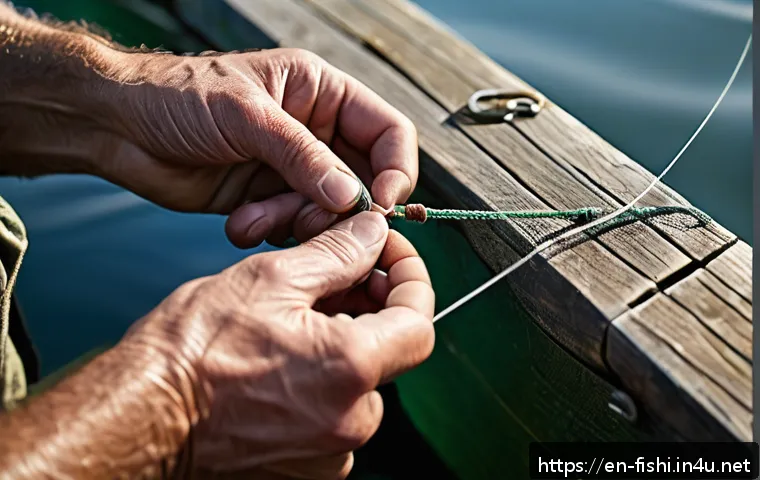
Fishing has seen a remarkable surge in popularity recently, with more people seeking outdoor hobbies that blend relaxation and skill. Whether you’re a weekend angler or just starting out, mastering essential fishing knots is a game-changer for both confidence and success on the water.
From securing your hook to ensuring your line stays strong under pressure, the right knot can make all the difference. In this guide, we’ll break down simple yet reliable knots that every beginner should know, helping you fish smarter and enjoy the experience more.
Stick around, because these tips will save you time, frustration, and lost catches. Ready to tie the perfect knot? Let’s dive in!
Choosing the Right Knot for Your Fishing Setup
Understanding Knot Strength and Line Compatibility
When it comes to fishing knots, not all knots are created equal. The strength of a knot varies depending on the type of fishing line—whether it’s monofilament, fluorocarbon, or braided line.
For example, braided lines tend to be slippery, so knots that hold tight and don’t slip under tension are crucial. I’ve personally found that some knots that work great on monofilament fail miserably on braid, leading to frustrating break-offs.
Knowing which knot matches your line type can save you from lost fish and wasted tackle.
Matching Knots to Fishing Techniques
Different fishing styles call for different knot choices. If you’re casting light lures or fishing with live bait, knots that keep the bait’s natural movement intact without slipping are essential.
On the other hand, when targeting bigger species or using heavy terminal tackle, knots with maximum strength and reliability are a must. During a weekend trip, I noticed how using a simple loop knot improved my lure action dramatically, making it more enticing to fish.
So, tailoring your knot to your fishing method not only boosts performance but also confidence on the water.
Quick Guide to Knot Selection
Here’s a handy table summarizing popular knots, their best uses, and line compatibility to help you pick the right one fast:
| Knot Name | Best Use | Line Type | Strength & Reliability |
|---|---|---|---|
| Improved Clinch Knot | Attaching hooks, lures | Monofilament, Fluorocarbon | High strength, easy to tie |
| Palomar Knot | Hooks, swivels, lures | Braided, Monofilament | Very strong, simple |
| Loop Knot | Allowing lure movement | All line types | Moderate strength, good action |
| Uni Knot | Line to line, line to terminal | All line types | Strong and versatile |
| Blood Knot | Joining two lines | Monofilament, Fluorocarbon | Strong, smooth profile |
Mastering the Basics: Knots Every Beginner Should Know
Improved Clinch Knot — The Go-To for Secure Hook Attachment
If you’re new to fishing, the Improved Clinch Knot is a fantastic starting point. It’s simple, reliable, and works well with most hooks and lures. I remember my first fishing trip where I kept losing fish because I didn’t tie this knot correctly.
After practicing it a few times, I noticed my catch rate improve significantly. The key is to make sure you wrap the tag end enough times around the standing line and pull the knot tight without leaving slack.
This knot is forgiving enough for beginners but strong enough to handle most freshwater fish.
Palomar Knot — Tough and Easy for Braided Lines
Braided lines can be tricky because their slick nature makes knots prone to slipping. The Palomar Knot is my personal favorite when using braid. It’s incredibly strong and surprisingly easy to learn.
Just double your line, pass the loop through the hook eye, tie a loose overhand knot, and then pull it tight. I’ve tested this knot in challenging conditions, and it held firm even when I hooked into aggressive fish.
It’s a great confidence booster when you’re fishing heavier species or casting far.
Uni Knot — Versatile for Multiple Applications
The Uni Knot is like a Swiss Army knife in your knot arsenal. It can be used for attaching hooks, joining lines, or securing terminal tackle. Its versatility makes it a must-know for anyone serious about fishing.
When I first discovered this knot, it felt complicated, but with a little practice, it quickly became my go-to knot for almost every situation. It’s reliable with different line types and maintains high knot strength, making it a solid all-around choice.
Advanced Knots for Specialized Situations
Blood Knot for Joining Lines
Sometimes, you need to connect two lines of similar diameter, especially when building leaders or extending your main line. The Blood Knot is perfect for this, offering a slim, strong connection that passes easily through guides.
Early in my fishing days, I struggled with knot bulkiness that caused tangles, but learning the Blood Knot solved that completely. It’s a bit fiddly at first, requiring neat wraps and careful tightening, but the result is a professional-grade join that won’t let you down.
Loop Knots for Enhanced Lure Action
If you want your lure to move freely and naturally, loop knots like the Rapala or Non-Slip Loop are your friends. These knots create a small loop at the end of your line, allowing the lure to swim with more life.
I’ve caught more bass and trout using loop knots because the action seems more enticing to fish. While loop knots sacrifice a little strength compared to tight knots, the trade-off is often worth it for increased strike rates.
Snelling Hooks for Maximum Hookset Power
Snelling a hook means attaching the line directly to the shank of the hook with a strong knot, often used in bait fishing. This technique improves hook alignment and sets better when the fish bites.
I remember switching to snelling hooks on a catfish trip, and the difference was night and day—fewer missed strikes and more solid hookups. It takes a bit more time and practice but can be a game-changer for certain species and fishing styles.
Tips and Tricks for Perfect Knot Tying
Practice Makes Perfect
Tying knots under pressure can be stressful, especially when you have fish biting. One thing I’ve learned is to practice knots off the water until they become second nature.
I keep a small piece of rope or line in my tackle box and spend downtime perfecting my knots. This preparation pays off when you’re on the boat or bank, making knot tying quick and flawless.
Moistening the Knot Before Tightening
A simple but critical step is to wet your line before cinching the knot tight. This reduces friction and prevents the line from weakening or burning due to heat generated by friction.
I used to skip this step, and it resulted in line failures more than once. Now, I always dip the knot in water or saliva before pulling tight, ensuring maximum strength.
Check and Trim Tag Ends
Leaving a long tag end can cause your knot to snag or unravel, but cutting it too short risks the knot slipping. I usually leave about 2-3 millimeters of tag end and give it a gentle tug to test security.
This small detail has saved me from losing big fish more times than I can count.
Common Knot Mistakes and How to Avoid Them
Not Wrapping Enough Turns
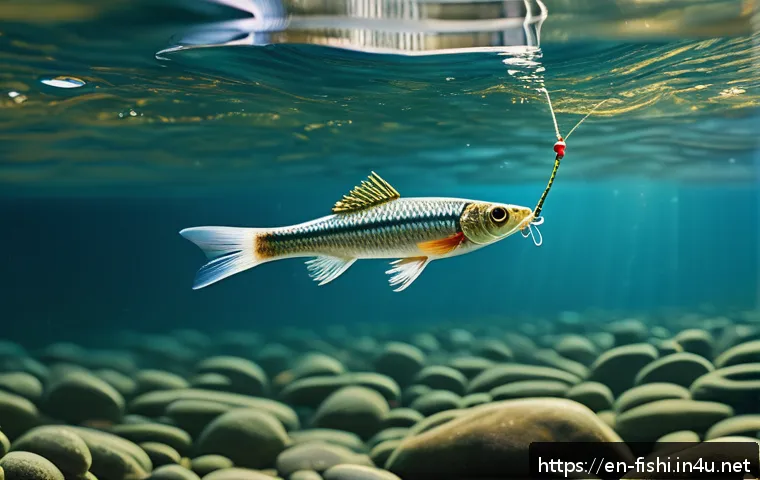
One of the most common mistakes is not wrapping the line enough times around itself or the hook eye, which drastically weakens the knot. For instance, the Improved Clinch Knot needs at least five wraps for monofilament and more for thicker or slick lines.
I learned this the hard way when a poorly wrapped knot failed mid-fight, teaching me to always count my wraps carefully.
Tightening Knots Too Quickly
Rushing to tighten a knot can cause uneven coils and slip, especially with slippery lines. I’ve found that slowly and evenly pulling both the standing line and tag end ensures a neat, strong knot.
This patience is worth it when you’re aiming for a knot that holds up under stress.
Neglecting to Test the Knot
Always test your knots before casting out. I do this by pulling firmly on the line after tying to catch any weaknesses. Skipping this step can lead to heartbreaking line breaks when a big fish strikes.
A quick pre-cast test can save you from frustration and lost tackle.
Essential Gear to Complement Your Knot Skills
Quality Fishing Lines Matter
No matter how well you tie your knots, poor-quality line can undermine your efforts. Investing in reputable brands that suit your fishing style pays dividends.
For example, I switched to a high-quality fluorocarbon line last season and noticed knots held better and abrasion resistance improved, making my day on the water much more productive.
Tools to Make Knot Tying Easier
Small tools like knot-tying pliers, line scissors, and a hook eye cleaner can make a surprising difference. I keep a compact knot-tying tool in my tackle box that helps tighten knots perfectly, especially in cold or wet conditions when fingers get numb.
These little helpers reduce frustration and speed up the process.
Organizing Your Tackle for Quick Access
Having all your hooks, swivels, and leaders organized means less fumbling and more time fishing. I use a compartmentalized tackle box and pre-tie some knots for common setups before hitting the water.
This prep work means no rushed, shaky knots when you’re eager to cast out and catch fish.
Maintenance and Knot Longevity Tips
Inspect Knots Regularly During Fishing
Knots can loosen or weaken during a fishing session, especially after repeated casting or fighting fish. I make it a habit to check and retighten knots periodically.
This simple routine has saved me from unexpected line failures and lost fish more than once.
Retie Knots After Breaks or Snags
If your line catches on rocks, debris, or sharp edges, the knot area can be compromised even if it looks fine. I always retie knots after any heavy snag to ensure safety.
It’s a minor inconvenience compared to losing a prized catch because of a damaged knot.
Replace Old or Damaged Lines Promptly
Over time, fishing lines degrade due to UV exposure, abrasion, and repeated stress. Even the best knots won’t hold well on worn-out line. I replace my mainline and leaders regularly based on usage, not just when they snap.
This proactive approach keeps my knot integrity and fishing success high.
In Closing
Choosing the right fishing knot can make all the difference between landing your catch or losing it. By understanding the strengths and applications of various knots, you’ll fish more confidently and effectively. Remember, practice and proper maintenance are key to mastering knot tying. With the right techniques and gear, your fishing experience will be smoother and more successful every time.
Helpful Tips to Remember
1. Always match your knot to the type of fishing line and technique you’re using for optimal performance.
2. Practice tying knots regularly off the water to build muscle memory and reduce mistakes when fishing.
3. Wet your knot before tightening to prevent friction damage and ensure maximum strength.
4. Inspect and retie knots frequently during your fishing session to avoid unexpected failures.
5. Invest in quality fishing lines and use small tools like knot-tying pliers to make the process easier and more reliable.
Key Takeaways
Choosing the appropriate knot based on your line type and fishing method is essential for success. Consistent practice and attention to detail, like moistening the line and trimming tag ends properly, significantly improve knot strength. Regular inspection and timely replacement of worn lines help maintain knot integrity and prevent lost catches. Don’t underestimate the value of specialized knots for specific situations, as they can enhance lure action and hookset efficiency. Ultimately, combining knowledge, preparation, and quality gear creates a more rewarding fishing experience.
Frequently Asked Questions (FAQ) 📖
Q: uestionsQ1: What are the easiest fishing knots for beginners to learn?
A: For those just starting out, the improved clinch knot and the Palomar knot are excellent choices. They’re straightforward to tie, strong enough for most fishing situations, and versatile across different types of fishing lines.
From my own experience, mastering these two knots boosted my confidence on the water and reduced the frustration of lost catches due to knot failure. Practicing them a few times before heading out can make a huge difference.
Q: How do I know if my fishing knot is tied correctly and won’t slip?
A: A good test is to wet the knot with a bit of water or saliva before tightening; this reduces friction and helps the knot cinch down smoothly. Then, pull firmly on both ends to feel if it holds tight without slipping.
If the knot slips or loosens, it’s worth retying it carefully. Over time, you’ll develop a feel for a properly tied knot, but initially, double-checking and practicing will save you from losing fish and tackle.
Q: Can using the wrong knot really affect my fishing success?
A: Absolutely. The knot is the weakest point in your fishing setup, so a poorly tied or inappropriate knot can lead to line breaks or lost fish. For example, using a knot that isn’t suited for braided line or heavy weights can cause failure under pressure.
I’ve learned the hard way that spending a little time learning the right knots for different conditions pays off big—saving gear, reducing frustration, and ultimately catching more fish.