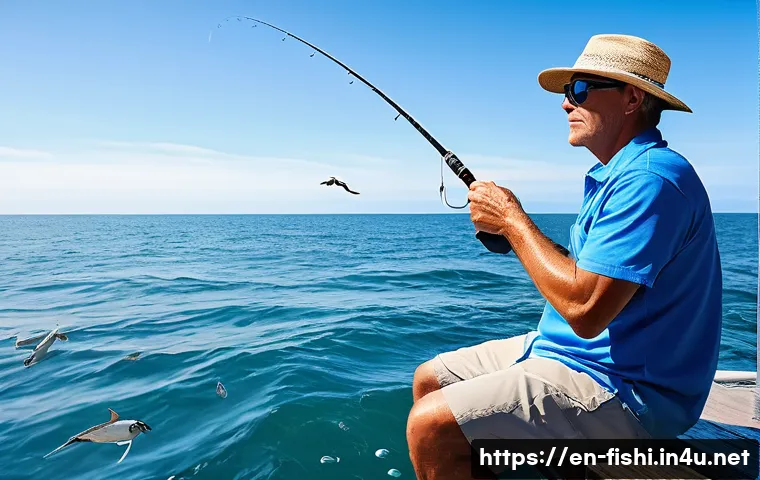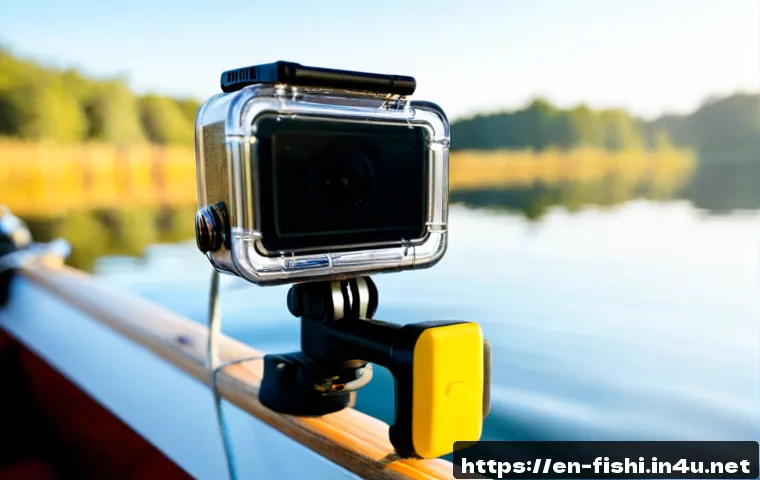
The best action camera for fishing is the one that matches your water exposure, mounting position, and recording routine—not simply the one with the highest resolution.
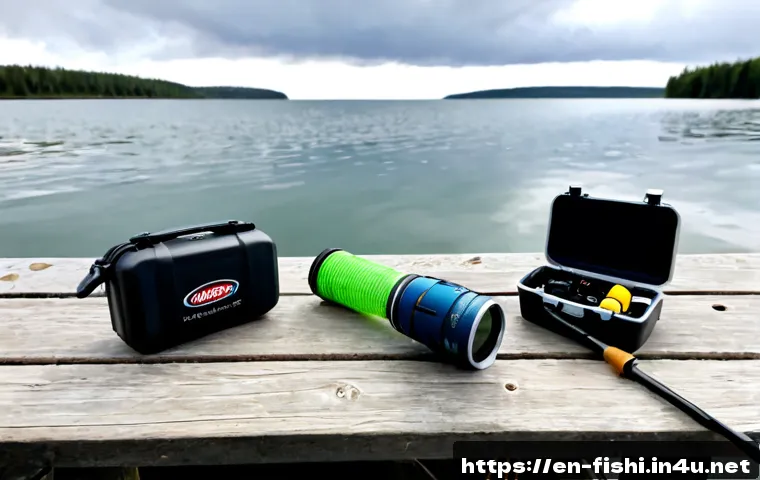
For occasional shore or boat clips, a basic waterproof camera with stabilization and a secure mount can be enough; kayak, surf, and creator-focused setups benefit more from stronger protection, spare batteries, and dependable mounting options.
Compare the complete ready-to-fish cost before choosing, because storage, tethering, floatation, and mounts are often essential. Higher recording settings can look impressive, but they also require more battery power and memory card space.
Saltwater anglers should place extra value on rinse-friendly mounts, intact seals, and a protective case. The right purchase decision starts with how you fish and where the camera will be positioned.
At a Glance
- Kayak and surf anglers should prioritize secure mounts, a tether, floatation, and saltwater care over headline video settings.
- Boat and chest-mounted footage benefits from electronic image stabilization, a wide view, and a practical spare-battery workflow.
- The camera price is only part of the budget; plan for memory cards, mounts, batteries, protective accessories, and possibly editing software.
| Fishing Setup | Waterproofing Priority | Stabilization Need | Battery Workflow | Mount Compatibility | Ready-to-Fish Cost Focus |
|---|---|---|---|---|---|
| Shore or pier fishing | Useful for rain and accidental splashes | Moderate for handheld or chest footage | One battery may suit short sessions | Chest, hat, or small tripod options | Camera, memory card, and a stable mount |
| Kayak fishing | High priority due to close water exposure | High priority for paddle and body movement | Spare batteries are practical for longer outings | Chest, rail, or deck mounting plus tether | Camera, mount, float, tether, storage, case |
| Boat or offshore fishing | Important for spray, rain, and saltwater | Useful for engine vibration and movement | Plan for multiple clips and longer trips | Rail, console, rod-holder, and chest options | Extra batteries, mounts, protective accessories |
| Surf fishing | High priority; housing may add protection | Helpful while walking and casting near waves | Bring storage and power for repeated takes | Secure body mount and safety backup | Saltwater protection, float, tether, replacement protection |
The Quick Answer: Match Your Fishing Style to the Right Camera Setup
Best Priorities for Boat, Kayak, Shore, and Surf Fishing
For a boat trip, look for stable footage, flexible mounting, and a battery plan. Boats create vibration, movement, wind, and occasional spray, so a camera that works well with rail or console mounts can be more useful than one chosen only for resolution.
For kayak fishing, safety comes first. Choose a camera setup with a tether, floatation accessory, and secure mount. A small camera can disappear quickly in deep water, especially when a paddle, rod, net, and fish all demand attention at once.
Shore and pier anglers may need less hardware. A waterproof camera, memory card, and chest or hat mount can cover simple casting clips and catch moments. Surf anglers should think more carefully about saltwater, sand, wave splash, and a mount that will not loosen during movement.
The Minimum Features Worth Paying For
A practical fishing action camera should have a stated waterproof rating, usable electronic image stabilization, and mount options that fit your fishing position. A wide field of view is also helpful because it captures the rod, water, and surroundings without constant reframing.
However, wide-angle footage has a trade-off. An ultra-wide view can make a distant fish, lure, or strike zone look smaller. If your main goal is showing lure action or close catch details, position the camera closer instead of relying on the widest setting.
Why the Camera Body Price Is Not the Full Budget
Action camera price comparison should begin with the body, but it should not end there. Many anglers need a compatible memory card, spare batteries, a mount, a tether, a float, and a protective case before the camera is ready for the water.
Check what is included in each bundle before comparing offers. Included accessories, extended warranty choices, replacement protection, and mount compatibility can change the real value of an action camera purchase.
Compare the Features That Matter Most on the Water
Waterproof Rating, Protective Housing, and Saltwater Durability
Many action cameras are designed to be waterproof to a specified depth without an external housing, but the actual rated depth varies by model. Always check the manufacturer’s current product details rather than assuming two waterproof cameras provide the same level of protection.
A protective waterproof housing can increase water resistance and add impact protection. It can be useful for surf fishing, rough boat conditions, or any setup where the camera may hit a rail or deck. The trade-off is that housing may affect audio quality and make controls less convenient.
Saltwater care matters even with a waterproof camera. Rinse and dry the camera, mounts, doors, seals, and metal hardware after exposure. Saltwater can damage these parts over time, particularly if residue is left on moving pieces or sealing surfaces.
Stabilization, Field of View, and Horizon Leveling
Electronic image stabilization can make chest-mounted, boat-mounted, and handheld clips easier to watch. It is particularly valuable when walking a shoreline, paddling a kayak, or moving across a boat deck.
If you frequently tilt or shift position, consider whether the camera offers a horizon-leveling option and whether it remains available in the recording mode you expect to use. Features can differ by model and settings, so review the detailed specification page before buying.
For fishing, the best view is often practical rather than dramatic. Test your frame before leaving the dock: the rod tip, hands, reel, and water should appear naturally without putting the horizon too high or too low.
Battery, Memory Card, and Heat-Management Considerations
Higher resolutions and frame rates generally use more storage space and can reduce battery runtime. This does not mean you always need the highest setting. For basic catch clips, a manageable recording mode may be more useful than footage that fills storage quickly or shortens recording time.
A sensible battery workflow includes charging before the trip, carrying compatible spare batteries when appropriate, and keeping a suitable memory card ready. Long outings, repeated casts, and multiple camera angles can make storage planning just as important as camera selection.
Heat can also affect long recording sessions. Avoid assuming that a camera will record continuously in every weather condition or mode. If you plan extended recordings, check current manufacturer guidance and test your workflow before an important trip.
Audio Options for Wind, Engines, and Spoken Catch Commentary
Fishing audio is difficult. Wind, waves, engine noise, paddle noise, and clothing movement can overpower spoken commentary. A protective housing may also change audio quality, so it is worth deciding whether natural fishing sounds or clear spoken narration matters more to your videos.
For simple clips, built-in audio may be enough. For regular content, review available audio accessories and editing software plans if you want to reduce unwanted sound or add voiceover later. Make sure any audio accessory works with the camera model and the conditions in which you fish.
Budget Planning: Camera Price vs. a Ready-to-Fish Kit
Essential Accessories: Mounts, Tether, Float, Batteries, and Storage
A ready-to-fish kit usually needs more than an action camera. Start with a secure mount, compatible memory card, and spare power option if your sessions are long. Near deep water, add a tether and floatation accessory. A protective case is useful for transport and can keep small parts together.
When reviewing accessories, focus on compatibility rather than appearance. A rail mount, chest mount, rod-holder mount, or hat mount must fit both the camera and the fishing position you intend to use.
When a Lower-Priced Model Offers Better Value
A lower-priced model can be the better choice if you mainly want short clips of catches, casts, or family trips. If it provides the waterproofing, stabilization, and mount support you actually need, spending more for advanced modes you rarely use may not improve your final videos.
Put the remaining budget toward dependable accessories. A modest camera attached securely and paired with enough storage can be more useful than a premium body mounted poorly or used without a tether.
When Premium Video Features Can Be Worth the Extra Cost
Premium options can make sense for anglers who record frequently, work in changing light, need stronger stabilization, or plan a multiple-camera workflow. They may also appeal to creators who want more editing flexibility for social content or longer fishing videos.
Before paying more, identify the actual limitation in your current setup. Is it shaky footage, low-light performance, limited battery workflow, lack of mount options, or editing flexibility? Buy for that specific need rather than for a feature list alone.
Mounting and Recording Tips That Prevent Lost or Unusable Footage
Chest, Hat, Rail, Rod-Holder, and Boat-Mounted Camera Angles

A chest mount often provides a natural first-person view of casting, reeling, and landing fish. A hat mount can show a similar perspective, but it may move more with head turns. Rail and boat mounts can show the full deck or cockpit, while rod-holder positions may capture a fixed angle toward the water.
Use each angle for a purpose. A body mount is useful for action. A fixed boat mount is useful for a wider view of the fight. Avoid mounting so low that hands, clothing, or a rod handle blocks the lens.
Use a Tether and Floatation Accessory Near Deep Water
Always treat an action camera as something that can be dropped. A tether and floatation accessory are simple safeguards for kayak, boat, pier, and surf fishing. Check attachment points before launching, and make sure the tether does not interfere with casting, paddling, or operating the boat.
Avoid Common Mistakes with Lens Splashes, Blocked Framing, and Loose Mounts
Clean the lens before recording. Water spots, spray, fingerprints, and sunscreen residue can ruin otherwise good footage. Check framing after attaching the camera, especially after changing a battery or moving a mount.
Also inspect mounts during the day. Vibration, rough water, and repeated movement can loosen hardware. Do not depend on a waterproof rating to solve every problem: a damaged seal, improperly closed door, or impact can still create risk.
Choose by Fishing Situation, Not Just Camera Specifications
Kayak and Paddle Fishing
Kayak anglers should prioritize stabilization, compact mounting, and camera safety. A chest mount can capture the angler’s hands and rod, while a deck or rail position can show the broader scene. Keep the setup simple enough that it does not interfere with paddling or reaching safety equipment.
Boat and Offshore Fishing
Boat fishing often benefits from more than one possible mounting point. A fixed wide angle can capture the action around the deck, while a chest-mounted camera records the landing sequence. Saltwater spray and engine vibration make secure hardware and post-trip cleaning especially important.
Bank, Pier, and Surf Fishing
Bank anglers may prefer a chest, hat, or compact tripod-style position where permitted and stable. Pier and surf anglers should be more cautious: hard surfaces, wind, sand, and water below create a higher risk of loss. Use a tether and avoid leaving loose gear near the edge.
Early-Morning, Sunset, and Low-Light Trips
Early and late sessions can be visually rewarding, but they are demanding for any camera. If you often fish at dawn, sunset, or under changing cloud cover, compare low-light performance and stabilization options carefully. Review real specifications for the exact model, because performance and available modes vary.
Selection Criteria and Comparison Summary
Best Choice for Occasional Fishing Clips
Choose a budget-focused waterproof action camera with basic stabilization, a compatible memory card, and one secure mount. Add a tether if you fish near deep water. This approach suits anglers who want practical clips without building a complex recording system.
Best Choice for Regular Catch Videos and Social Content
A mid-range setup is often a balanced option for regular recording. Look for dependable stabilization, a useful battery workflow, broad mount compatibility, and enough storage for repeated clips. A chest mount plus a boat or rail mount can give you more variety without requiring a full multi-camera setup.
Best Choice for Creators Who Need Editing Flexibility and Multi-Angle Footage
Premium buyers should focus on the features that support their workflow: stronger stabilization, flexible recording options, low-light considerations, spare batteries, several mounting positions, and an editing software plan if needed. The additional investment makes the most sense when you will use the footage consistently.
Final Pre-Purchase Checklist for Camera, Mounts, and Protection
Before purchasing, check these points:
- Does the stated waterproof rating suit your fishing environment?
- Will the camera work with the mount position you plan to use?
- Do you need a housing for added impact or water protection?
- Have you included storage, spare batteries, a tether, floatation, and a case in the total cost?
- Will you record in conditions where stabilization or low-light performance matters?
For current bundle contents, compatible accessories, warranty options, and exact recording specifications, check the official product page or retailer listing before you buy.
Wrapping Up
The best fishing action camera setup is reliable, secure, and easy to use while you are focused on fishing. Start with waterproofing, stabilization, and mount compatibility, then build the rest of the kit around your actual trip length and water conditions. A well-planned mid-range setup may be more useful than an expensive camera body with missing accessories. Most importantly, protect the camera from drops, saltwater residue, and poor mounting.
Useful Things to Know
1. Wide-angle footage is useful for capturing the full fishing scene, but close lure and fish details may require better camera placement.
2. Higher resolution and frame-rate settings generally require more storage and may reduce battery runtime.
3. A waterproof housing can provide added protection, but it may affect audio and make the camera less convenient to operate.
4. Rinsing and drying equipment after saltwater exposure helps protect mounts, seals, doors, and metal hardware.
Important Notes
Waterproof depth ratings, included accessories, battery performance, recording modes, bundles, and prices vary by model, retailer, and region. A manufacturer rating does not guarantee protection from every impact, damaged seal, incorrectly closed door, or long-term saltwater exposure. Confirm compatibility between the exact camera, mount, housing, battery, and audio accessory before ordering.
Frequently Asked Questions
Q1. What features should I prioritize in an action camera for fishing?
A1. Prioritize a stated waterproof rating, electronic image stabilization, secure mount compatibility, and a realistic battery and storage plan. If you fish from a kayak, boat, pier, or surf zone, add a tether and floatation accessory to protect against loss.
Q2. Do I need a waterproof housing for saltwater fishing?
A2. Not always. Many action cameras are designed to be waterproof without a housing, but ratings vary by model. A housing can add water and impact protection, which may be useful around waves, heavy spray, or rough conditions. It may also affect audio quality and ease of use, so compare the trade-offs for your setup.
Q3. How much should I budget for a fishing action camera setup with mounts and spare batteries?
A3. Budget for more than the camera body. A complete setup may include a compatible memory card, spare batteries, one or more mounts, a tether, a floatation accessory, and a protective case. Exact prices and bundle contents vary, so compare the total ready-to-fish package rather than only the camera’s listed price.