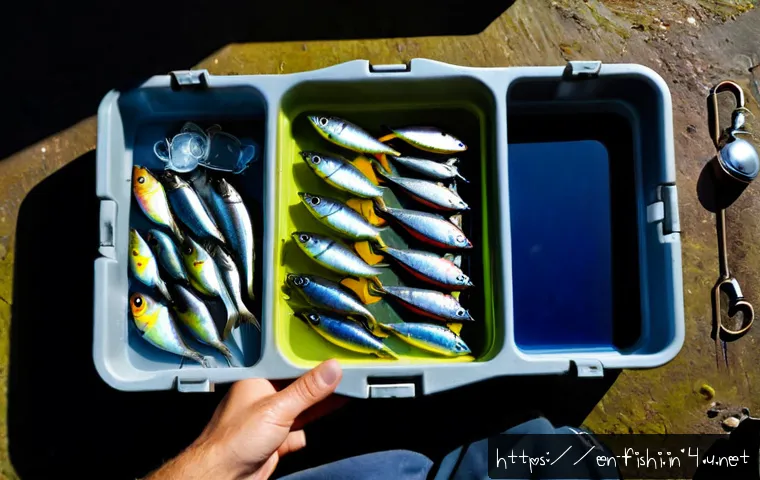
Start with natural or translucent lure colors in clear water, move toward bright or high-contrast colors in stained water, and use dark colors when a strong silhouette matters in low light.
There is no universal best color, so treat water clarity as your first filter and fish response as your final answer. A practical tackle selection focuses on a few clearly different color families instead of many nearly identical paint patterns.
Before buying another lure color, consider whether your current lure is running at the right depth, has the right profile, and creates enough vibration for the conditions.
This approach can help freshwater and saltwater anglers build a more useful lure assortment without overspending on duplicates.
At a Glance
- Clear water: Start with natural or translucent finishes that can resemble local forage.
- Stained water: Use bright, fluorescent, white, or high-contrast colors to make the lure easier to notice.
- Low light: Dark colors can create a strong silhouette against a brighter surface or sky.
| Color Family | Visibility and Contrast | Common Starting Conditions | When It Is Worth Buying |
|---|---|---|---|
| Natural or translucent | Subtle detail | Clear water and forage-focused presentations | Useful as a primary clear-water option |
| Bright or fluorescent | High visibility | Stained water, runoff, algae tint, or reduced light | Useful when you need a clearly different visibility level |
| Dark colors | Strong silhouette | Dawn, dusk, night, or situations with a bright background | Useful as a dedicated low-light option |
| Two-tone, metallic, or patterned | Variable flash or contrast | When basic natural, bright, and dark options do not cover the situation | Consider after building a simple core lineup |
Start With Visibility, Not a Favorite Color
The best place to begin is how easily fish can see and separate the lure from its surroundings. Water clarity affects the distance at which a lure is visible and how much fine color detail fish may distinguish. A favorite color can still work, but it should not be the only reason for choosing a lure on a changing day.
The Quick Rule for Clear, Stained, and Muddy Water
In clear water, natural and translucent finishes are commonly used because a forage-like presentation can matter. In stained water, brighter colors and stronger contrast can help a lure stand out. When visibility is poor, a dark option may also be useful when the lure is viewed against a brighter surface or sky. These are starting points, not guarantees.
Why Light Level and Background Contrast Change the Answer
Water clarity is only the first decision. Sun, clouds, time of day, depth, and the direction fish view the lure can change its appearance. A dark lure is not simply a “night color”; it can create a visible silhouette whenever the background is brighter. Likewise, a bright lure may be easier to notice in stained water, but its value depends on how it looks at the lure’s actual running depth.
When Lure Action and Depth Matter More Than Paint Color
Color is one variable among retrieve speed, depth, profile, vibration, lure size, weather, and local forage. If a lure is running above or below the fish, changing from one shade to another may not solve the problem. Check the lure’s depth and retrieve first, especially before buying additional color patterns for the same lure style.
Compare Natural, Bright, Dark, and Contrast Patterns Before Buying
A useful fishing tackle collection does not need every manufacturer color name. It needs a few options that create noticeably different looks underwater. Think in terms of visibility and contrast rather than trying to match paint names across brands.
Natural and Translucent Finishes for Clear-Water Presentations
Natural finishes are commonly chosen for clear water, particularly when anglers want a presentation that resembles baitfish, crawfish, or other local forage. Translucent finishes can fit this role as well. They are a sensible first purchase if you often fish clear lakes, clear shorelines, or water where fine lure detail may be easier to see.
Chartreuse, White, Orange, and Other High-Visibility Options
Bright and fluorescent colors can add visibility in stained water or low-light conditions. White, chartreuse, orange, and other high-contrast choices are useful because they are distinctly different from a natural lure, not because one named color always catches more fish. When comparing fishing lures in a tackle shop, look for an option that genuinely fills a visibility gap in your box.
Black, Dark Blue, and Purple for Silhouette-Based Presentations
Black, dark blue, purple, and other dark finishes can create a pronounced outline when fish look upward toward a brighter sky or surface. That makes dark lure colors practical for dawn, dusk, night fishing, and some reduced-light presentations. The important feature is the silhouette, not a claim that one dark shade is always superior.
Two-Tone, Metallic, and Patterned Finishes: Where They Add Value
Two-tone, metallic, and patterned finishes can offer extra contrast, flash, or a different forage-like appearance. They can be worthwhile when they provide something your natural, bright, and dark choices do not. They are less valuable when they are only a minor variation of a lure color you already own.
A Practical Process for Testing Colors on the Water
Testing colors works best when the comparison is simple. Make the first choice from water clarity, then adjust for light and observe whether fish response changes. Avoid changing every part of the setup at once.
Match the Lure to Water Clarity First
Choose a natural or translucent starting point for clear water. Choose a brighter or more contrasting option when the water is stained. Add a dark silhouette option when low light or background contrast suggests it. This gives you a reasonable first selection without relying on a long list of color rules.
Adjust for Sun, Clouds, Wind, Depth, and Time of Day
These conditions can alter visibility and presentation. Light can change as clouds move in, and depth can change how a lure looks. Wind may also influence presentation conditions. If fish are not responding, assess the full situation before assuming the paint color is the only issue.
Change One Variable at a Time for a Useful Comparison
Keep the same lure style, depth, and retrieve when possible, then test a different contrast level. For example, move from a natural finish to a brighter finish, or from a bright option to a dark silhouette. If you also change lure size, action, and retrieve speed, it becomes difficult to know what influenced the response.
Common Color-Selection Mistakes That Cost Fishing Time and Tackle Budget
Buying Too Many Similar Colors

Several shades with only small differences can overlap heavily in real fishing conditions. A smaller lure buying plan built around natural, bright, dark, and one contrast pattern is often more practical. Add specialized colors only when they solve a clear gap in your usual water or light conditions.
Switching Colors Before Checking Lure Depth and Retrieve Speed
Repeated color changes can use valuable fishing time when the lure is simply not reaching the right zone or moving at a suitable speed. Before cycling through every color in the tackle box, check depth, profile, vibration, size, and retrieve.
Treating Package Color Names as Universal Rules
Manufacturer color names and paint finishes are not standardized across brands. A name that suggests a baitfish pattern in one lure lineup may look very different in another. Compare the actual finish, brightness, translucency, and contrast instead of relying on the label alone.
Color Choices by Fishing Situation
Clear Lakes and Pressured Fish
Start with a natural or translucent finish when water is clear and a forage-like presentation seems appropriate. Angling pressure can affect fish behavior, so there is no fixed color rule. If the natural option is not producing, test a different contrast level while keeping the lure’s depth and action consistent.
Stained Rivers, Runoff, and Algae-Tinted Water
Brighter, fluorescent, white, or high-contrast lures can be useful when clarity is reduced. The goal is visibility, not selecting a single magic color. A bright lure that differs clearly from your natural option is usually a more useful tackle purchase than several similar natural patterns.
Overcast Days, Dawn, Dusk, and Night
Reduced light can make contrast more important. Dark colors may create a strong silhouette when viewed against a brighter background, while bright colors can also improve visibility in some stained or low-light situations. Test both families when conditions allow rather than assuming one will always be better.
Matching Baitfish, Crawfish, or Other Local Forage
Forage can guide a natural color choice, especially in clear water. However, local forage is only one part of lure selection. A lure’s profile, depth, movement, and vibration may matter just as much as a close paint match.
Choosing Your Next Lure Color: Selection Criteria and Comparison Summary
Before adding another fishing lure color, check these points: water clarity, light level, background contrast, local forage, and whether your current box already has a clearly different option. A lean starter kit can include one natural or translucent finish, one bright or high-visibility finish, one dark silhouette color, and one two-tone, metallic, or patterned choice. Consider a premium finish or additional pattern when it offers a distinct visibility level or forage presentation that your current lures do not cover. When comparing tackle options, check the product details to see the actual finish and color contrast rather than relying only on the color name.
Closing Thoughts
Lure color selection becomes simpler when you start with visibility instead of a favorite paint pattern. Natural, bright, and dark choices cover many common clarity and light situations without filling your tackle box with duplicates. Let fish response guide the final adjustment, but remember that color is only one part of the presentation. Depth, retrieve, profile, and vibration deserve the same attention.
Useful Things to Know
1. Carry contrast levels, not just many shades of the same color.
2. Water clarity is a starting point, while light and background can change the decision.
3. Compare actual finishes across brands because color names are not standardized.
4. Test one change at a time to learn whether color is making a difference.
Important Considerations
No lure color is guaranteed to catch more fish in every condition. Color preferences can vary by species, waterbody, season, local forage, angling pressure, depth, and day-to-day fish behavior. Water clarity alone cannot determine the best choice, so confirm the lure’s running depth, action, and fish response on the water.
Frequently Asked Questions
Q1. What lure color should I use in muddy water?
A1. Start with a bright, fluorescent, white, or high-contrast option because reduced clarity can make visibility more important. A dark silhouette can also be worth testing in low light or when fish view the lure against a brighter background. Check lure depth, vibration, and retrieve as well.
Q2. Is black a good lure color for night fishing and low-light conditions?
A2. Black and other dark colors can be useful because they may create a strong silhouette against a brighter surface or sky. They are practical low-light options, but they are not guaranteed to outperform every other color in every waterbody or for every species.
Q3. How many lure colors should a beginner buy before adding more specialized patterns?
A3. Begin with a small range: one natural or translucent choice, one bright high-visibility choice, one dark option, and optionally one contrasting or patterned finish. This covers clearly different presentation needs better than buying many near-identical colors.