Learn how to rig and fish a jig head with soft plastics, choose the right weight for depth and current, avoid common snags, and compare hook styles before buying tackle for freshwater or inshore fishing.
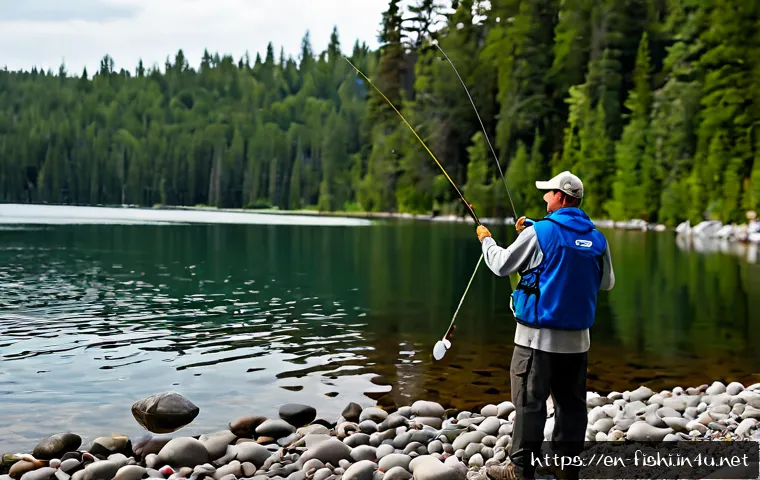
A jig head works best when its weight matches the depth, current, wind, and soft-plastic size, not simply the fish species you hope to catch. Start with a light enough head to keep a natural fall, but use more weight when you need bottom contact, casting distance, or control in moving water.
For most soft-plastic setups, the hook should fit the lure’s body length and thickness so the plastic stays straight and leaves enough hook point exposed. An exposed-hook jig head is usually practical in open water, while a weedless design can be the better tackle purchase when grass, timber, or frequent snags are part of the trip.
There is no universal “best” jig head because local water conditions change the right choice. Comparing hook style, head shape, keeper design, and pack value before buying fishing tackle can help you build a more useful soft-plastic selection.
The basic method is simple: rig the plastic straight, cast to likely cover or structure, maintain contact with the lure, and adjust retrieval speed as depth or current changes. A small setup check before every cast prevents many missed strikes and unnatural lure action.
Always check local fishing rules before using a particular hook configuration, bait type, or target-species presentation.
At a Glance
- Choose starting jig head weight by depth, current, and lure size rather than by species name alone.
- Use exposed hooks in open water when hookup potential matters; choose weedless options where cover creates frequent losses.
- Rig the soft plastic perfectly straight so it falls, swims, and tracks as intended.
| Jig Head Choice | Typical Use | Strength | Value Consideration |
|---|---|---|---|
| Lightweight head | Shallow, calm water | Slower fall and subtle presentation | Useful when a heavy head would drop too quickly |
| Heavier head | Deep water, wind, or current | Better casting distance and bottom contact | Worth considering when control matters more than a slow fall |
| Exposed-hook model | Open water and cleaner bottoms | Strong hookup potential | Often a straightforward option, but snag risk rises around cover |
| Weedless model | Grass, wood, docks, and snag-prone areas | More resistance to weeds and cover | May justify a higher price when lost jig heads would add up |
| Round or football head | Bottom-oriented presentations | Different bottom contact and movement | Compare the head shape with the bottom you fish most often |
Start With the Right Weight, Hook, and Soft Plastic
The Quick Setup: Match Head Weight to Depth and Current
A jig head combines a weighted head and hook, allowing a soft-plastic lure to sink and stay at a controllable depth. In shallow, calm water, a lighter jig head generally falls more slowly and can keep the presentation less aggressive. In deeper water, wind, or current, a heavier jig head can make casting easier and improve your ability to feel the bottom.
Do not choose weight by fish name alone. The same bass fishing soft plastic may need a different head weight on a shallow flat than it does near a deep ledge or moving water. Your line diameter and lure size also affect how the rig falls and how well you can maintain contact.
Start with the lightest option that still lets you place the lure accurately and detect what it is doing. If the lure will not reach the intended depth, drifts too quickly, or cannot be felt in current, move toward a heavier jig head.
Check That the Plastic Sits Straight Before Casting
A soft plastic should sit straight from the nose to the tail. If the body is bent, compressed, or twisted on the hook, it can spin, roll, or lose its intended swimming action. That can make a good jig head and lure combination feel unreliable.
Before casting, hold the rig by the line tie and inspect it from the side. The hook shank should run through the lure’s centerline, and the body should not be pulled sideways by the keeper. A quick correction is usually easier than trying to fish a crooked lure all day.
Use an Exposed Hook for Open Water and a Weedless Option for Heavy Cover
An exposed-hook jig head leaves the point ready for a direct hookset and can be a practical choice in open water. The tradeoff is that it may snag more easily around weeds, wood, and rocks. When fishing dense grass, timber, dock edges, or other snag-prone cover, a weedless jig head can help keep the lure moving through places where an exposed hook may hang up.
Neither design is automatically better. Choose based on the water in front of you and the likely cost of losing tackle to cover.
Compare Jig Head Styles Before You Buy
Round, Football, Darter, Mushroom, and Weedless Designs
Round-ball jig heads are a familiar general-purpose choice and can work with a range of soft plastics. Football heads are associated with bottom contact and can be useful when you want to drag or hop a lure along firmer structure. Darter heads are designed to support a swimming-style presentation, while mushroom heads can suit smaller, compact soft plastics.
Weedless designs focus on reducing snag risk around cover. The head shape, hook position, and guard or weedless configuration can all affect how the lure moves through grass, wood, rocks, and dock structure.
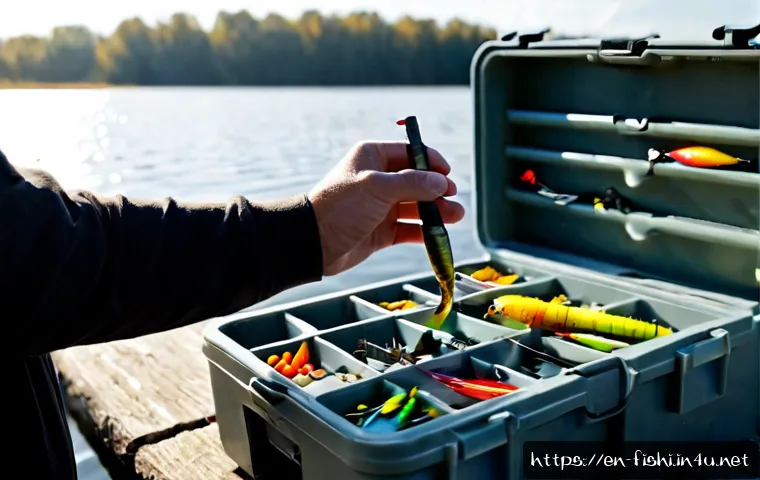
Instead of buying a mixed selection only because the designs look different, consider your usual water first. Open banks, rocky bottoms, shallow vegetation, and current seams each place different demands on fishing gear.
Exposed-Hook Versus Weedless Models: Hookups, Snags, and Value
Exposed hooks can provide strong hookup potential where the hook point has a clear path. They are often easier to inspect and can be a sensible value-focused choice for open water. However, an exposed point can catch weeds, branches, and rock gaps more easily.
A weedless jig head may cost more than a basic option depending on brand, hook type, finish, and retailer. That added cost can be worthwhile when heavy cover would otherwise lead to repeated lost lures and jig heads. If you mostly fish clean water, paying extra for a weedless configuration may offer less practical benefit.
When comparing fishing tackle, think beyond the initial price. Consider how often the rig is likely to snag, whether the hook matches your plastic, and whether the design suits your local structure.
What to Inspect: Hook Sharpness, Keeper Style, Finish, and Pack Value
Check the hook point for sharpness and make sure the hook gap looks appropriate for the thickness of your chosen soft plastic. A hook that is too small may leave too little room for the lure body during a hookset. A hook that is too large can make a small plastic look awkward or interfere with its action.
Also inspect the keeper style. The keeper should hold the lure securely without tearing or compressing it unnecessarily. Look at the head finish as well, especially if appearance matters for your preferred presentation. Finally, compare pack value carefully because exact pricing, pack quantities, and materials vary by brand and seller.
Rig a Soft Plastic Correctly
Measure the Hook Exit Point Before Piercing the Lure
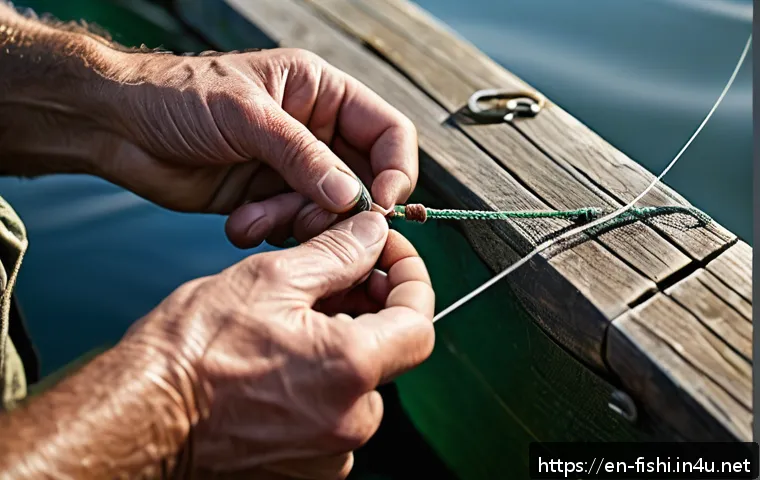
Hold the jig head alongside the soft plastic before inserting the hook. Note where the bend of the hook should leave the lure body. This simple step helps prevent a crooked exit point and keeps the lure from bunching up around the hook bend.
Match the hook size to both lure length and body thickness. The goal is not only to get the hook through the plastic; it is to leave enough hook point exposed for solid hooksets while keeping the lure properly aligned.
Thread the Lure Straight Onto the Keeper
Insert the hook through the center of the lure’s nose. Thread the plastic onto the shank and keeper without twisting it. Stop and check alignment before pushing farther if the body begins to curve.
A properly rigged lure should sit snugly against the jig head, but it should not be stretched, folded, or forced into an unnatural shape. If the plastic tears during rigging, replace it or reposition it rather than fishing a damaged, crooked setup.
Test the Lure Action and Correct a Bent or Compressed Body
After rigging, move the lure through the water beside the bank or boat if practical. A swimming plastic should track naturally. A bottom-oriented bait should fall without spinning excessively. If it rolls or pulls sideways, remove it and rig it again.
Use this short checklist before every trip:
- Does the lure sit straight on the jig head?
- Is the hook point sufficiently exposed or properly protected for the cover?
- Does the hook gap match the lure’s body thickness?
- Is the keeper holding the plastic without crushing it?
- Does the head style fit the retrieve you plan to use?
Retrieve It Without Losing Contact or Getting Snagged
Steady Swimming for Suspended or Roaming Fish
A steady retrieve can keep a soft plastic moving at a controlled depth. This approach is useful when you want the lure to swim through open water or near suspended, roaming fish. Let the jig head sink to the depth you want, then retrieve at a pace that keeps the lure in that zone.
If the lure rises too quickly, slow down or reconsider the weight. If it constantly hits bottom when you intend to swim it higher, speed up slightly or use a lighter head when conditions allow.
Hopping, Dragging, and Pausing Along the Bottom
For bottom presentations, let the jig head reach the bottom and use short lifts, controlled hops, or a slow drag. A hop-and-pause retrieve creates a change in movement, while dragging keeps the lure close to the structure. These methods can work around rocks, ledges, and other bottom features.
Maintain enough line tension to feel the lure, but avoid pulling so hard that it wedges into cover. If you feel repeated snags, reduce the distance of each hop, change your casting angle, or consider a more snag-resistant jig head design.
Adjusting Speed for Wind, Current, and Changing Depth
Wind and current can create slack and reduce your feel for the lure. A heavier head may help you regain contact, but it can also make the lure fall faster. Adjust one factor at a time: retrieve speed, casting angle, or jig head weight.
When water depth changes across a cast, expect the lure to behave differently during the retrieve. Watch your line, stay aware of bottom contact, and avoid treating one retrieve speed as correct for every part of the water.
Match the Presentation to Water and Cover
Shallow Flats and Calm Banks
Shallow, calm water often favors a lighter presentation because lighter jig heads generally sink more slowly. Use a straight-rigged soft plastic and retrieve it at a pace that keeps it from digging into the bottom too quickly. Open, clean areas can be good places for an exposed hook.
Be careful not to assume shallow always means lightest possible. Wind, lure size, and the casting distance you need still affect control.
Rocks, Ledges, and Deeper Structure
In deeper water or around ledges, a heavier jig head can help you reach the intended depth and maintain bottom contact. Football or round styles may be considered when a bottom-oriented retrieve is the goal. Use hops, drags, and pauses, but be prepared for rocks to increase snag risk.
If an exposed hook catches repeatedly, change the angle of the cast or move to a snag-resistant configuration. The correct choice depends on how rough the bottom is and how much contact you need to maintain.
Grass, Timber, Docks, and Snag-Prone Areas
Heavy grass, wood, and dock structure are situations where a weedless jig head can earn its place in your tackle box. The purpose is not to make the rig snag-proof; it is to reduce unnecessary hang-ups while allowing you to present a soft plastic closer to cover.
Use controlled casts and avoid letting excess slack drift the lure into places where it can wedge. Around thick cover, a stronger hook or more durable weedless setup may be worth considering if it matches the lure and local conditions.
Selection Criteria and Comparison Summary
Choose a jig head by working through these decisions before focusing on color or brand:
- Depth and current: Do you need a slow fall, or do you need more weight to maintain control?
- Cover level: Choose a weedless model when cover losses are likely to cost more than the jig head.
- Hook fit: Make sure the hook matches the soft plastic’s length and body thickness.
- Head shape: Compare round, football, darter, and mushroom styles with your preferred swimming or bottom presentation.
- Keeper and hook quality: Inspect how securely the plastic will stay in place and whether the hook design suits your fishing conditions.
- Pack value: Compare tackle options by intended use, hook style, and quantity rather than price alone.
Before purchasing jig heads or soft-plastic lures, check the product details for hook configuration, keeper style, head design, and pack contents.
Final Thoughts
Fishing a jig head is less about finding one universal setup and more about matching the rig to the water. Start with a straight soft plastic, a hook that fits its body, and enough weight to keep control of the lure. Use exposed hooks where the water is open, and move toward weedless options as grass, wood, and snag risk increase.
Small adjustments in weight, retrieve speed, and casting angle can change how effectively a jig head works. Build your tackle selection around the conditions you fish most often.
Useful Things to Know
Head weight affects more than depth. It can also influence casting distance, bottom feel, fall speed, and how easily current moves the lure.
A crooked soft plastic is a setup problem. Re-rig it before continuing instead of trying to compensate with retrieve speed.
Weedless does not mean snag-proof. It means the jig head is designed to offer more resistance to weeds and cover than an exposed-hook option.
Important Notes
The best jig head weight varies with local depth, current, wind, target species, line diameter, and lure size. Product prices, materials, hook quality, and pack quantities vary by brand, retailer, and region. Check local fishing regulations for rules that may affect hook configurations, bait types, or target species in the water you plan to fish.
Frequently Asked Questions
Q1. What jig head weight should a beginner start with for soft plastics?
A1. Start by selecting weight based on the depth, current, wind, and size of the soft plastic. A lighter jig head generally provides a slower fall in shallow, calm water, while a heavier one can help with bottom contact and casting control in deeper water or current.
Q2. Are weedless jig heads worth the extra cost for fishing around grass and wood?
A2. They can be worth the added cost when grass, timber, docks, or other cover causes frequent snags and lost tackle. In cleaner open water, an exposed-hook jig head may offer a simpler and more value-focused setup.
Q3. Should I use an exposed hook or a weedless hook for rocky bottom fishing?
A3. An exposed hook can offer good hookup potential, but rocks can increase snag risk. If the bottom causes repeated hang-ups, consider changing your casting angle, retrieve style, or using a more snag-resistant weedless design.