Fishing isn’t just a relaxing outdoor activity—it’s also a gateway to some of the freshest, most delicious meals you can enjoy. Whether you’re a seasoned angler or a curious foodie, knowing how to prepare your catch properly can elevate your dining experience to a whole new level.
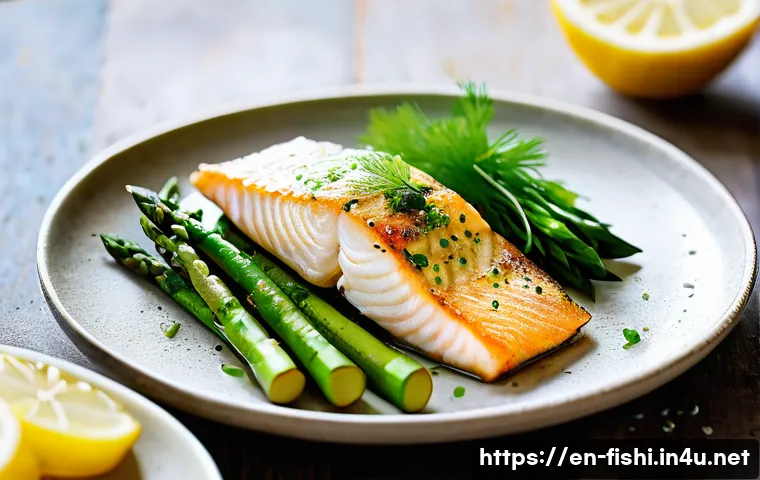
From simple pan-fried fillets to gourmet seafood dishes, the possibilities are endless. Plus, cooking your own fish gives you control over flavors and freshness that no restaurant can match.
If you’ve ever wondered how to turn your fishing trip into a culinary adventure, you’re in the right place. Let’s dive into the details and discover the best fishing recipes and cooking tips together!
Mastering the Art of Fresh Fish Preparation
Choosing the Right Cleaning and Filleting Techniques
When you bring your catch home, the first step to a delicious meal is proper cleaning and filleting. I’ve found that spending a bit more time here really pays off in the final taste and texture.
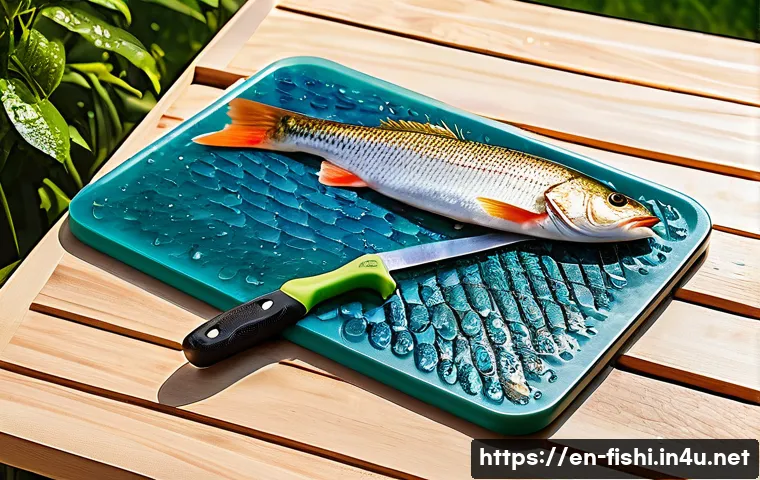
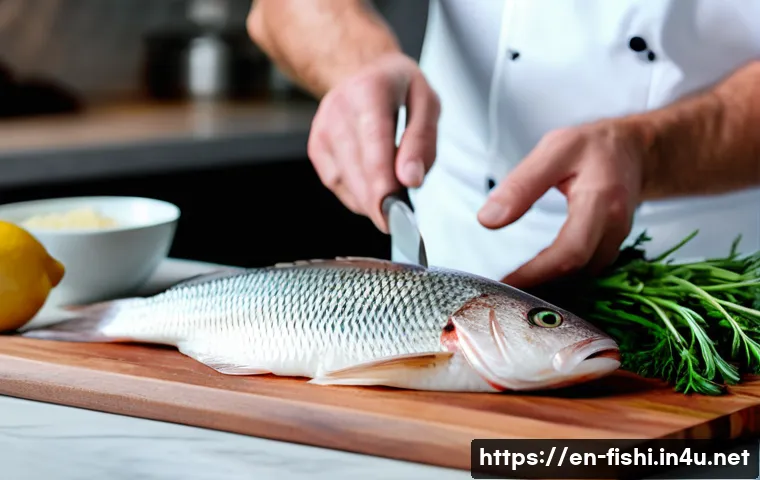
Start by rinsing the fish under cold water to remove any slime or debris. Then, depending on your fish type—whether it’s a bass, trout, or snapper—use a sharp, flexible fillet knife to make precise cuts along the backbone.
This minimizes waste and ensures tender fillets. I usually lay the fish flat on a clean surface, cut behind the gills down to the spine, and then carefully slide the knife along the bones to separate the fillet.
Don’t rush this part; a clean fillet is easier to cook evenly and looks more appealing on the plate.
Essential Seasonings That Bring Out Natural Flavors
One of the best things about cooking your own fish is the freedom to season it just the way you like. I like to keep it simple for fresh fish—just a sprinkle of sea salt, cracked black pepper, and a dash of lemon juice.
These enhance the natural flavors without overpowering them. For a little extra punch, herbs like dill, parsley, or thyme work wonders. If you’re feeling adventurous, marinating your fillets in a mix of olive oil, garlic, and a splash of white wine for 20-30 minutes adds depth.
Remember, fresh fish is delicate, so avoid heavy sauces that mask its subtle sweetness.
Optimal Cooking Methods for Perfect Texture
Cooking fresh fish can be intimidating, but with a bit of practice, you’ll nail it every time. Pan-frying is my go-to for quick meals; just heat some oil until shimmering and cook the fillets skin-side down first to get a crispy crust.
Flip carefully after 3-4 minutes to finish cooking. Baking is another reliable method—wrap the fillets in parchment paper with herbs and lemon slices for a moist, flavorful dish.
Grilling adds a smoky touch, perfect for summer cookouts, but be sure to oil the grates well to prevent sticking. No matter the method, the key is to cook fish until it’s opaque and flakes easily with a fork, which usually takes just 8-10 minutes per inch of thickness.
Creative Ways to Incorporate Fresh Fish into Everyday Meals
Elevating Simple Fish Tacos with Homemade Sauces
Fish tacos are a fantastic way to enjoy your catch with minimal fuss. I like to use white flaky fish like cod or tilapia, pan-fried with a light dusting of chili powder and cumin.
The real magic happens with the sauces—mixing Greek yogurt with lime juice, cilantro, and a pinch of cayenne creates a creamy, zesty topping that complements the fish perfectly.
Add some crunchy slaw or pickled onions for texture contrast. This combination makes for a quick, colorful meal that’s as satisfying as any restaurant dish but fresher and more personalized.
Incorporating Fish into Classic Mediterranean Dishes
Mediterranean cuisine offers a wealth of inspiration for cooking fish, especially with its emphasis on fresh ingredients and simple techniques. I often prepare a Mediterranean-style baked fish by layering fillets with cherry tomatoes, olives, capers, and a drizzle of olive oil.
Season with oregano and garlic, then bake until the fish is tender and infused with those vibrant flavors. Serving this with crusty bread or couscous makes a hearty, wholesome meal that’s perfect for impressing guests without hours in the kitchen.
Using Fish in Nourishing Soups and Stews
Fish soups and stews are a comforting way to enjoy your catch, especially when the weather calls for something warm and filling. I’ve experimented with recipes that combine fresh fish chunks with vegetables like fennel, tomatoes, and potatoes, simmered in a broth seasoned with saffron and garlic.
The fish gently cooks in the broth, absorbing those aromatic flavors. This method is forgiving, too—if you slightly overcook the fish, it still melts in your mouth within the rich soup base.
It’s a great way to stretch your catch and enjoy every bit.
Balancing Nutrition and Flavor in Fish Dishes
Understanding the Health Benefits of Fresh Fish
One of the biggest perks of cooking your own fish is how nutritious it can be. Fresh fish is packed with omega-3 fatty acids, which are excellent for heart and brain health.
It’s also a great source of lean protein, vitamins like D and B2, and essential minerals such as zinc and iron. When you prepare fish at home, you control the ingredients, so you can avoid excessive oils, salts, or heavy sauces that sometimes sneak into restaurant meals.
Personally, I’ve noticed that meals centered around fresh fish keep me energized and satisfied longer than heavier protein options.
Choosing Cooking Methods That Preserve Nutrients
Not all cooking methods are equal when it comes to nutrition. Steaming and baking are the gentlest ways to preserve fish’s natural vitamins and healthy fats.
I often steam fish with lemon slices and fresh herbs—it’s quick, requires no added fat, and keeps the flesh moist. Pan-searing is tasty but use moderate heat and a heart-healthy oil like avocado or olive oil.
Deep frying, while delicious, can add unnecessary calories and diminish some of the fish’s nutritional value. When possible, pair your fish with nutrient-rich sides like leafy greens or quinoa for a well-rounded meal.
Enhancing Flavor Without Compromising Health
Many people shy away from healthy fish dishes fearing blandness, but that’s far from the truth. I enjoy experimenting with spice blends and fresh aromatics like ginger, garlic, and lemon zest to bring bold flavors without excess salt or sugar.
Adding a drizzle of high-quality extra virgin olive oil after cooking can enhance mouthfeel and taste, while also providing antioxidants. Fresh herbs like basil, cilantro, or tarragon not only add visual appeal but also boost the flavor profile naturally.
This balance keeps meals exciting and healthful at the same time.
Essential Tools and Tips for Home Fish Cooking Success
Must-Have Kitchen Gear for Preparing Fresh Fish
From my experience, having the right tools makes all the difference. A sharp fillet knife is non-negotiable—it lets you work cleanly and efficiently. A fish scaler or the back of a knife helps remove scales quickly.
For cooking, a non-stick skillet or cast iron pan ensures even heat distribution and prevents sticking. I also recommend investing in a good pair of fish tweezers to pull out any small bones before cooking.
Finally, a digital thermometer can help you avoid overcooking by checking the internal temperature, which should be around 145°F for most fish.
Storage and Handling Tips to Maintain Freshness
Proper storage after your fishing trip is key to preserving flavor and safety. I always rinse the fish immediately and store it in a sealed container or wrapped tightly in plastic wrap, then place it on ice or in the coldest part of the fridge.

If you won’t be cooking within a day or two, freezing is your best bet—wrap the fillets in parchment and then in foil or freezer-safe bags to prevent freezer burn.
When thawing, do it slowly in the fridge overnight rather than at room temperature. These steps keep your catch tasting fresh and safe to eat.
Simple Tricks to Avoid Common Cooking Pitfalls
Cooking fish can be tricky, especially if you’re new to it. One mistake I made early on was flipping the fillets too often, which caused them to fall apart.
Now, I let the fish cook undisturbed for a few minutes to form a crust before turning. Another tip is to avoid over-seasoning—fish has a delicate flavor that can be lost under heavy spices.
Lastly, always rest cooked fish for a couple of minutes before serving; this lets the juices redistribute, making the texture tender and moist. These small changes really improved my cooking results.
Simple Yet Delicious Fish Recipes to Try Tonight
Garlic Butter Pan-Seared Fish
This recipe is a personal favorite for busy weeknights. After filleting, season the fish with salt and pepper. Heat butter and a little olive oil in a pan over medium heat.
Add minced garlic and sauté briefly before placing the fish skin-side down. Cook for 3-4 minutes until golden, flip carefully, and cook another 2-3 minutes.
Finish with a squeeze of lemon juice and sprinkle of fresh parsley. The garlic butter melds perfectly with the flaky fish, making a quick dish that feels indulgent but is incredibly simple.
Herb-Crusted Baked Fish with Lemon
For a fuss-free oven meal, mix chopped parsley, thyme, and rosemary with breadcrumbs and a touch of olive oil. Spread this herb mixture over the fish fillets laid in a baking dish.
Add lemon slices on top and bake at 375°F for about 12-15 minutes until the crust is golden and the fish flakes easily. This recipe strikes a beautiful balance between crispy texture and moist, flavorful fish.
I often serve it with roasted vegetables or a light salad for a complete meal.
Spicy Fish Stew with Tomatoes and Peppers
This one is a crowd-pleaser when you want something hearty. Start by sautéing onions, garlic, and bell peppers in olive oil. Add diced tomatoes, a pinch of smoked paprika, and chili flakes for heat.
Pour in fish stock or water and bring to a simmer. Add chunks of firm white fish and cook gently until the fish is opaque. Finish with fresh cilantro and a squeeze of lime for brightness.
The stew is warming, flavorful, and a great way to enjoy fish in a more substantial dish.
| Recipe | Key Ingredients | Cooking Time | Flavor Profile | Best Fish Types |
|---|---|---|---|---|
| Garlic Butter Pan-Seared Fish | Butter, garlic, lemon, parsley | 8 minutes | Rich, buttery, garlicky | Tilapia, cod, snapper |
| Herb-Crusted Baked Fish | Parsley, thyme, rosemary, breadcrumbs, lemon | 12-15 minutes | Herbaceous, crispy, tangy | Salmon, sea bass, trout |
| Spicy Fish Stew | Tomatoes, bell peppers, smoked paprika, chili flakes | 25-30 minutes | Spicy, smoky, savory | Cod, halibut, grouper |
Pairing Fresh Fish with the Perfect Sides and Drinks
Refreshing Salads and Vegetables to Complement Fish
I’ve noticed that light, crisp salads and steamed or roasted vegetables pair beautifully with fish dishes. Think arugula with lemon vinaigrette, cucumber and dill salad, or roasted asparagus with a sprinkle of parmesan.
These sides add texture and freshness, balancing the richness of the fish. For heartier meals, quinoa or wild rice pilaf with herbs can round out the plate without overshadowing the main ingredient.
Wine and Beverage Suggestions for Fish Meals
Pairing the right drink can elevate your fish dinner from good to unforgettable. For white fish, I often go for a crisp Sauvignon Blanc or a dry Chardonnay—these wines complement the delicate flavors without overwhelming them.
If your dish has a spicy kick, a slightly off-dry Riesling or a chilled rosé works wonders. For those who prefer non-alcoholic options, sparkling water with a twist of lemon or a light herbal iced tea keeps the palate refreshed and clean.
Incorporating Fresh Herbs and Citrus for Bright Finishes
Finishing your fish dish with fresh herbs like basil, mint, or cilantro instantly lifts the flavor and adds a pop of color. A squeeze of fresh lemon or lime right before serving brightens the dish and balances richer elements like butter or olive oil.
I always keep a small bowl of chopped herbs and lemon wedges on the table—it’s a simple habit that turns a good meal into a memorable one.
In Conclusion
Mastering the art of preparing fresh fish opens up endless culinary possibilities that are both delicious and nutritious. With the right techniques, seasonings, and cooking methods, you can enjoy restaurant-quality meals right at home. Embracing simple yet creative recipes allows you to fully appreciate the natural flavors of fish. Remember, freshness and proper handling are key to elevating your dishes every time.
Useful Tips to Keep in Mind
1. Always start with a sharp fillet knife and clean your fish thoroughly to ensure the best texture and taste.
2. Use light seasonings like sea salt, lemon, and fresh herbs to highlight the fish’s natural flavors without overpowering them.
3. Choose cooking methods such as baking, steaming, or pan-searing to preserve nutrients and achieve the perfect texture.
4. Pair your fish dishes with fresh salads, roasted vegetables, and complementary wines or refreshing beverages for a balanced meal.
5. Store your fish properly by keeping it cold and using airtight packaging to maintain freshness and safety before cooking.
Key Takeaways
Proper preparation and handling of fresh fish are crucial for both flavor and safety. Light seasoning and mindful cooking methods help retain the delicate taste and nutritional benefits of fish. Investing in quality kitchen tools simplifies the process and improves results. Pairing fish with the right sides and drinks enhances the dining experience. Lastly, patience and practice transform cooking fresh fish from a challenge into a rewarding skill.
Frequently Asked Questions (FAQ) 📖
Q: What is the easiest way to cook freshly caught fish for beginners?
A: For beginners, pan-frying is a fantastic and straightforward method. Simply clean and fillet your fish, season it with salt, pepper, and a squeeze of lemon, then cook it in a hot pan with a bit of oil or butter for just a few minutes on each side.
This method locks in moisture and flavor while giving you a crispy, golden exterior. I remember the first time I tried this after a fishing trip—it was surprisingly quick, and the fresh taste was unbeatable compared to store-bought fish.
Q: How can I tell if my freshly caught fish is safe and fresh to cook?
A: Fresh fish should have clear, bright eyes and firm, shiny flesh that springs back when touched. The smell should be mild and ocean-like—not overly fishy or sour.
When I go fishing, I always check these signs before deciding to cook my catch. If the fish looks dull or smells off, it’s better to err on the side of caution.
Keeping your catch on ice right after catching it also helps maintain freshness until you’re ready to cook.
Q: What are some simple seasoning ideas to enhance the natural flavor of fish without overpowering it?
A: Sometimes, less is more when it comes to seasoning fresh fish. A classic combo I love is just salt, pepper, fresh lemon juice, and a sprinkle of fresh herbs like dill or parsley.
Garlic and a drizzle of olive oil also work wonders. On one of my fishing trips, I tried just seasoning my catch with salt and fresh thyme, then grilled it over charcoal—it was incredibly flavorful and let the fish’s natural taste shine through perfectly.