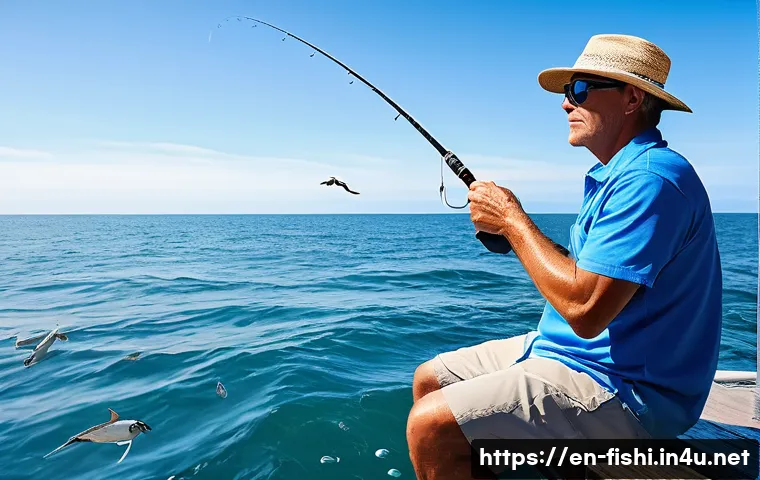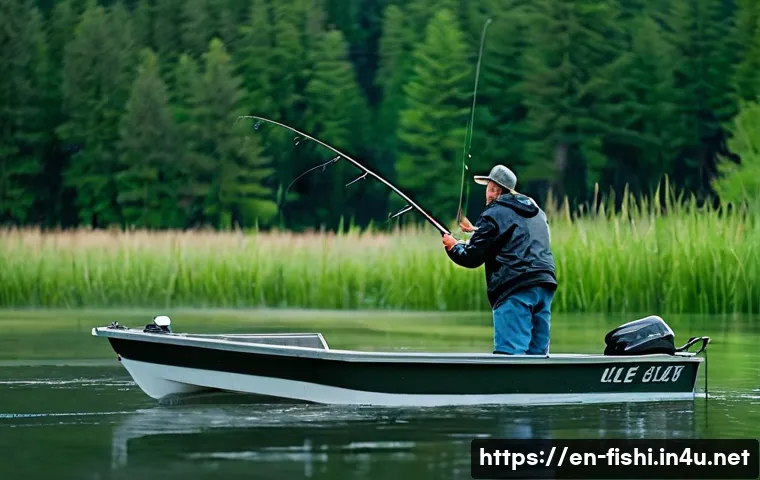
Hey fellow anglers! There’s nothing quite like the thrill of a perfect cast, but let’s be honest, we’ve all had those days where the fish just aren’t biting, no matter what lure we try.
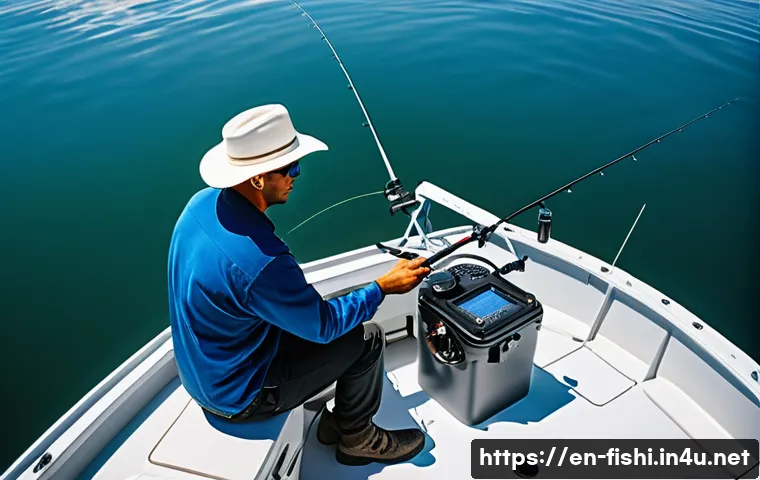
I used to think it was just plain bad luck, a roll of the dice each time I hit the water. But after countless sunrises and sunsets out on the lake and ocean, I’ve discovered that the real secret often isn’t in my tackle box; it’s written in the sky, felt in the wind, and measured by the barometer.
Mastering how weather patterns and larger climate shifts truly impact fish behavior has been an absolute game-changer for my success, transforming frustrating trips into consistently rewarding adventures.
We’re moving beyond simple forecasts here; with today’s incredible data and tools, understanding factors like barometric pressure swings, lunar phases, and even subtle water temperature changes can give you an edge like never before.
Forget just checking for sunshine or rain – we’re about to unlock a whole new dimension of angling intelligence. Let’s dive deeper and discover how to truly master the elements for your next big catch!
Decoding the Barometer: Your Underwater GPS
The Pressure Drop Advantage
I’ve learned, often through trial and error, that understanding barometric pressure is like having a secret weapon in your fishing arsenal. Fish, just like us, react to changes in atmospheric pressure, but it’s often more profound for them because of their swim bladders.
Think about it: a sudden drop in pressure, usually signaling an approaching storm, can really get them active. This is often when I’ve experienced some of my most aggressive bites.
It’s like they know something big is coming and they need to feed before hunkering down. My theory, based on years of observing this pattern, is that the pressure change can make them feel more comfortable in shallower water, or it simply triggers a feeding frenzy as their environment shifts.
It’s not a guaranteed bite every time, but a falling barometer is definitely a cue to hit the water, especially if you can get out there just as it starts to dip.
I’ve personally seen days transform from dead still to absolute chaos with just a few millibars of change. This phenomenon is particularly noticeable with species like bass and pike, which seem to go into overdrive.
It’s not just a hunch; there’s a real science to it that experienced anglers swear by.
Steady Pressure, Steady Bites
On the flip side, when the barometric pressure has been stable for a while – not too high, not too low – you often find the fish in a more predictable, if sometimes less aggressive, mood.
This is when consistency really pays off. You might not get those explosive strikes you see during a pressure drop, but you can usually count on steady, consistent action if you’re in the right spot with the right presentation.
My personal experience tells me that during these stable periods, fish tend to stick to their usual haunts and feeding patterns. It’s less about a sudden trigger and more about their comfortable routine.
What this means for me is that I can rely on tried-and-true techniques and locations. It’s a good time for a slower, more methodical approach, maybe trying different baits or presentations to see what they prefer that day.
You won’t find them darting all over the place; they’ll likely be holding structure, waiting for an easy meal to come by. I’ve found that having a good fishing barometer or a weather app with accurate pressure readings is just as important as knowing your knot-tying skills.
Water Temperature: The Ultimate Fish Magnet
Finding the Thermal Sweet Spot
If there’s one thing I’ve learned over countless hours on the water, it’s that water temperature is arguably the most crucial factor dictating where fish are and whether they’re willing to bite.
Every species has its own “comfort zone,” a temperature range where they are most active and feed most aggressively. For bass, that might be in the mid-60s to low-70s Fahrenheit, while trout prefer much colder water.
I remember one scorching summer day when everyone else was complaining about dead fishing, but I headed straight for a deep, spring-fed cove. My thermometer read a perfect 68°F, and I absolutely hammered the bass, while others struggled in the 80-degree main lake.
It was a stark reminder that even in seemingly unfishable conditions, there’s always a thermal sweet spot to be found if you know where to look. Fish are cold-blooded, so their metabolism is directly tied to water temperature.
Too cold, and they’re lethargic; too hot, and they’re stressed. Understanding these thermal preferences is paramount to consistent success.
Surface vs. Deeper Waters: Understanding the Thermocline
It’s not just the surface temperature that matters; often, it’s what’s happening beneath the waves. The thermocline, that invisible layer where warm surface water meets colder, deeper water, is a game-changer.
I’ve spent years exploring different depths, and when I locate that sweet spot where baitfish gather along the thermocline, I know I’m in for a productive day.
Oxygen levels, bait concentration, and even light penetration all play a role in how fish use these temperature breaks. During the summer, for instance, many freshwater fish will hold tight to the cooler side of the thermocline.
In saltwater, similar phenomena occur with currents and upwellings. I’ve learned to use my fishfinder not just to spot fish, but to identify these temperature layers.
Trust me, finding that perfect depth where the temperature is just right can turn a slow day into an epic one. It’s like discovering a secret highway for fish, and once you’ve found it, you’re pretty much guaranteed to find the travelers.
This knowledge has personally saved many a fishing trip from being a complete bust, turning frustration into celebration.
Wind’s Whispers: Friend or Foe?
The Ripple Effect: When Wind is Your Ally
Believe it or not, a little wind can be your best friend on the water. For years, I used to dread windy days, thinking they just made casting harder and boat control a nightmare.
But then I started noticing a pattern: some of my most successful days were on those breezy afternoons. What I’ve come to realize is that a gentle to moderate chop on the water’s surface does a few fantastic things.
First, it breaks up the light penetration, making fish feel more secure and less wary of predators – including us anglers! Secondly, it creates currents that concentrate baitfish, washing them into prime feeding zones, like along points or current seams.
I’ve found that casting into a “wind-blown bank” or working an area where the wind is pushing bait can be incredibly effective. The oxygenation of the water also gets a boost, which can perk up sluggish fish.
Don’t get me wrong, a hurricane is not what we’re talking about, but a steady 5-15 mph breeze? That’s when I get really excited about hitting the water.
It just seems to get the whole aquatic food chain moving.
When the Wind Gets Wild: Navigating the Challenges
Now, let’s be honest, there’s a big difference between a helpful breeze and a full-blown gale. Extremely strong winds are definitely a foe, making boat control impossible, casting a nightmare, and generally turning a fun day into a miserable struggle.
I’ve made the mistake of trying to power through white-cap conditions more times than I care to admit, only to return to shore soaked, frustrated, and empty-handed.
Not only is it unproductive, but it can also be genuinely dangerous. On those days, it’s safer and smarter to stay home or find a sheltered cove where the wind’s impact is minimal.
When faced with strong winds, I pivot my strategy entirely. I look for protected pockets, leeward shores, or deep structure where fish might be hunkering down out of the main current.
It’s a complete shift in approach, focusing on comfort and safety first, and then trying to locate fish that are also seeking refuge from the wild conditions.
Learning to read the wind and knowing when to adapt, or when to simply call it a day, is a crucial part of becoming a seasoned angler.
The Moon’s Mystical Pull: Lunar Phases and Tides
Tidal Influence on Coastal Fishing
If you’ve ever fished in saltwater, you already know the moon’s power. It’s not just folklore; the lunar phases directly dictate the tides, and tides, my friends, are the lifeblood of coastal fishing.
I’ve spent countless early mornings and late nights chasing redfish and snook in the estuaries, and I can tell you, understanding the tidal swing is paramount.
During new and full moons, we experience stronger currents and bigger tidal movements – what we call “spring tides.” These powerful currents stir up the bottom, dislodge bait, and create feeding frenzies.
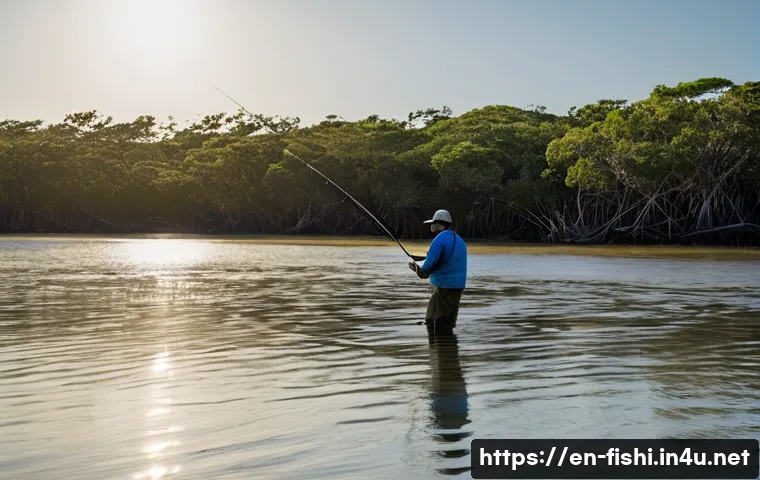
My best days in the mangroves have almost always coincided with a strong outgoing tide, flushing baitfish and crustaceans out of their hiding spots. Conversely, during quarter moons, the tides are weaker, known as “neap tides,” and the fishing can be a bit slower.
I always check the tide charts before I even think about launching the boat. It’s not just about high or low tide; it’s about the *movement* of the water.
That flow concentrates bait, activates predators, and creates prime ambush points.
The Solunar Theory Reimagined: Beyond Tides
Now, even in freshwater, where tidal influence is negligible, many anglers, myself included, believe the moon still plays a role in fish activity. This is where the Solunar Theory comes in, suggesting that fish and game activity are influenced by the position of the moon and sun.
While it might sound a bit mystical, I’ve seen enough anecdotal evidence over the years to at least give it some credence. I’ve noticed certain peak feeding times, often around major and minor moon periods, even on landlocked lakes.
It’s subtle, not as pronounced as tidal fishing, but those brief windows of increased activity can make a real difference. I don’t plan my entire day around solunar tables, but I certainly use them as a guide to prioritize my fishing efforts.
If I know there’s a strong major period coming up, I’ll make sure my line is in the water and I’m focused. It’s about stacking the odds in your favor, and any edge you can get, especially on tough days, is worth exploring.
It’s just another piece of the puzzle, a subtle whisper from the cosmos that sometimes, just sometimes, rings true.
| Weather Factor | Impact on Fish Behavior | Angler Strategy |
|---|---|---|
| Falling Barometric Pressure | Fish often become more active, moving shallower to feed aggressively due to swim bladder discomfort and pre-storm feeding instincts. | Focus on active baits, shallower presentations, and targeting transition areas before a storm hits. |
| Stable Barometric Pressure | Fish maintain regular feeding patterns, often holding to structure. Activity can be consistent but less frenzied. | Use consistent, methodical approaches; focus on known haunts and refining bait presentation. |
| Rising Water Temperature (within range) | Increases metabolism, leading to higher activity and feeding; fish may move to optimal thermal zones. | Target areas with ideal water temperatures for target species; use faster retrieves and more active lures. |
| Cooling Water Temperature (within range) | Slows metabolism; fish may become lethargic or move to warmer, deeper water. | Employ slower presentations, bottom fishing, or target deeper thermal refuges. |
| Moderate Wind (Chop) | Breaks up light, provides cover, oxygenates water, concentrates baitfish, and creates current. | Fish wind-blown banks, points, and current seams; use lures that mimic disoriented bait. |
| Strong Wind (Gale) | Turbulent, dangerous conditions; fish seek shelter, making them harder to locate and catch. | Seek sheltered coves or lee shores; focus on deep structure or postpone fishing. |
| Cloud Cover | Reduces light penetration, making fish feel safer and more willing to feed in shallower water. | Target shallow areas with aggressive topwater or shallow-running baits; extended low-light bites. |
Cloud Cover and Light: Shifting Perspectives for Fish
Overcast Skies, Active Bites
I used to just shrug off cloudy days, thinking they didn’t really matter. Boy, was I wrong! What I’ve found over the years is that overcast conditions, especially when accompanied by a light breeze, can be absolutely dynamite for fishing.
The reduced light penetration makes fish feel more secure and less exposed to overhead predators, which includes us! They become bolder, often moving into shallower water or away from heavy cover to feed more actively.
I’ve had some incredible topwater action on completely grey days when I wouldn’t typically expect it. Without the harsh glare of direct sunlight, fish’s eyes are more comfortable, and they’re less likely to be spooked by your shadow or movement.
It’s like they feel they have permission to roam and hunt freely. My approach on these days shifts to more aggressive presentations and exploring areas that might be too exposed on a bright, sunny afternoon.
Don’t underestimate the power of a dreary sky; it often hides a fishing bonanza!
Bright Sunshine Strategies
Then there are those glorious, bluebird days – the kind that make you want to be outdoors, but sometimes make fishing a bit tougher. When the sun is high and bright, fish tend to react differently.
I’ve noticed they often retreat to deeper, cooler water, or tuck themselves tightly into heavy cover like submerged logs, thick weeds, or under docks.
It’s all about seeking refuge from the intense light and often, the warmer surface temperatures. This doesn’t mean you can’t catch them, but your strategy has to adapt.
Instead of casting widely, I focus on precision. I’ll target shady spots with pinpoint accuracy, or I’ll switch to deeper-diving crankbaits and jigs that can get down to where the fish are hiding.
Sometimes, a slower, more subtle presentation is key, mimicking an easy meal that’s not worth expending much energy for. I’ve also had success with natural colors that blend in more, rather than flashy lures that might be too glaring in clear, bright water.
It’s a challenge, for sure, but cracking the code on a bright sunny day feels incredibly rewarding.
Rain, Storms, and Runoff: Navigating Challenging Conditions
The Post-Rainfall Bonanza
Rain, in its milder forms, can be an angler’s best friend. I’ve been caught in countless drizzles and light showers over the years, and more often than not, those have been some of my most productive trips.
A gentle rain breaks up the surface, just like wind, making fish less wary. But more importantly, it washes all sorts of goodies into the water – insects, worms, and nutrients from the surrounding land.
This creates a literal buffet for fish, often leading to a feeding frenzy. I’ve seen bass go absolutely wild after a good summer rain, hitting anything that looks like a struggling insect or a washed-in worm.
The increased oxygenation from the falling rain can also perk up lethargic fish. The key is to hit the water shortly after the rain starts or just as it’s letting up.
It’s a prime window of opportunity that many fair-weather anglers miss, but one that savvy fishermen, like us, learn to capitalize on. Those moments when the air smells fresh and the fish are biting actively are truly some of my favorites.
Staying Safe During Storms: When to Hold ‘Em
While light rain can be great, there’s a crucial distinction between a gentle shower and a full-blown thunderstorm or heavy downpour. I’ve learned, sometimes the hard way, that safety always comes first.
Fishing during active lightning or severe winds is not just unproductive; it’s incredibly dangerous. I’ve had a few too many close calls out on the water when the skies turned menacing, and I can tell you, no fish is worth risking your life over.
When the radar shows red and the thunder starts rumbling, it’s time to pack it in and head for shelter. Even immediately after a severe storm, the water can be muddy, debris-filled, and challenging.
However, once the chaos settles, and the water starts to clear a bit, the runoff from heavier rains can still be beneficial. Similar to light rain, it washes nutrients and food sources into the main body of water, creating new feeding zones, especially around culverts, creek mouths, and inflows.
My strategy then is to look for those newly formed current breaks and stained water lines, where hungry fish might be waiting for an easy meal. But remember, always prioritize safety and never challenge Mother Nature when she’s throwing a tantrum.
Wrapping Things Up
Whew! We’ve covered a lot of ground today, haven’t we? From the subtle dance of barometric pressure to the moon’s powerful tug on the tides, it’s clear that Mother Nature plays an enormous role in our fishing success. I truly hope that diving into these elements with me has given you a fresh perspective and some new tools for your angling adventures. Remember, every trip out on the water is a learning experience, and by paying closer attention to the world around you, you’ll start to unlock patterns and secrets that transform your fishing game. It’s not just about luck; it’s about observation, adaptation, and a deep appreciation for the natural world. So, grab your gear, check that forecast, and let’s make some memories!
Handy Tips for Anglers
Here are a few nuggets of wisdom I’ve picked up over the years that I think you’ll find incredibly useful, especially after our chat about the weather:
1. Become a Weather Watcher: Don’t just check if it’s sunny or rainy. Get an app that gives you detailed barometric pressure readings and trends. I personally use one that shows historical pressure, which helps me predict those crucial falling barometer moments. Knowing the “why” behind the weather makes all the difference in anticipating fish behavior.
2. Invest in a Good Thermometer: A portable water thermometer is an absolute game-changer, especially for freshwater fishing. Knowing the exact temperature at different depths will help you pinpoint those thermal sweet spots that we discussed. It’s like having X-ray vision for finding where fish are most comfortable and active.
3. Embrace the Wind (When it’s Right): Don’t shy away from moderate winds. Learn to cast into the breeze (or at least parallel to it) and target wind-blown shores. The ripple effect and bait concentration can lead to some truly epic days you might otherwise miss. Just remember the safety aspect when it gets too wild!
4. Keep a Fishing Log: This might sound old-school, but jotting down conditions – weather, moon phase, water temperature, and your success – after each trip is invaluable. Over time, you’ll start to see patterns unique to your local spots, turning you into an absolute fishing wizard for your home waters.
5. Prioritize Safety First: I can’t stress this enough. No fish is worth risking your life. If the weather turns ugly with lightning or dangerously high winds, pack it up. There will always be another day to fish, and a safe angler is a smart angler. Your intuition is your best guide when things get gnarly out there.
Key Takeaways
In essence, becoming a master angler isn’t just about having the fanciest gear or the perfect lure; it’s about understanding the intricate dance between nature and the creatures beneath the surface. We’ve explored how barometric pressure swings can trigger feeding frenzies, why water temperature dictates where fish live and eat, and how wind can either be your best friend or your fiercest foe. The subtle influence of the moon, even beyond just tides, reminds us that every element plays a part. By embracing these insights, observing your surroundings, and constantly learning, you’ll transform frustrating days into consistently rewarding adventures. So, go out there, connect with nature, and enjoy the thrill of truly understanding the water. Happy angling, everyone!
Frequently Asked Questions (FAQ) 📖
Q: What’s the single most critical weather factor I should pay attention to for better fishing success?
A: Oh, this is a question I get all the time, and it’s a fantastic one! While everything plays a role in the grand scheme of things, if I had to pick just one, I’d say barometric pressure changes are often the unsung hero (or sometimes, the silent villain!) of a fishing trip.
I’ve personally seen days transform from frustratingly slow to absolutely incredible just as the barometer started to drop after a long, stable high-pressure system.
It’s not just about the absolute pressure reading, but rather the movement or trend of that pressure. A steady, high-pressure system often means tough fishing; fish can feel uncomfortable and less inclined to feed aggressively, usually sticking close to cover.
But if you watch for that falling pressure right before a weather front moves in, that’s often when fish go on a feeding frenzy, sensing a change and needing to stock up.
Conversely, a sudden, sharp drop during a major storm can make them hunker down. Understanding this dynamic has truly shifted my catch rate, especially for species like bass and walleye that are super sensitive to these atmospheric shifts.
I always make sure to check the trends, not just the current reading, before heading out.
Q: You mentioned barometric pressure – how exactly does it affect fish, and what should I look for when checking it?
A: That’s a keen observation, and it’s something I’ve spent countless hours observing firsthand from my boat! Think of it like this: fish have a swim bladder, which is incredibly sensitive to changes in pressure around them.
When the barometric pressure is high and stable, it literally presses down on the water, and in turn, on the fish’s swim bladder. This can make them feel a bit “compressed” and less comfortable, often pushing them deeper in the water column or into denser cover.
They tend to be lethargic and much less willing to chase down a lure. But here’s where the magic happens: when the pressure starts to drop (which often signals an approaching storm or weather change), that external pressure on their swim bladder lessens.
It’s like they suddenly feel lighter, more active, and incredibly hungry, moving up in the water column and actively seeking food. This is what we call the “pre-front bite,” and it’s legendary among seasoned anglers.
The key is looking for a steady fall over several hours, rather than a sudden, dramatic plunge. When the pressure stabilizes at a low point, or starts to rise rapidly after a storm, fishing can often slow down again.
So, when I check, I’m always looking at the hourly trends, not just what it is right now.
Q: Beyond just checking the basic weather app, what advanced tools or techniques can I use to track these patterns for more consistent fishing success?
A: Oh, this is where it gets really exciting and where you can genuinely gain a significant edge! While your standard weather app is a great starting point for knowing if it’ll rain or shine, to truly master the elements for fishing, you need to dig a little deeper.
First, I wholeheartedly recommend investing in a dedicated fishing barometer. These aren’t just fancy gadgets; they provide much more precise readings and, crucially, often track pressure trends over time, which, as we’ve discussed, is absolutely vital.
Many modern fishing-specific smartwatches even integrate this feature seamlessly. Secondly, I lean heavily on more advanced weather forecasting apps and websites that offer incredibly detailed hourly barometric pressure graphs and even granular wind speed and direction forecasts specific to my angling spots.
I’ve found a few local meteorology sites that are surprisingly accurate and detailed. Don’t forget about water temperature gauges! Whether it’s integrated into your fish finder or a simple handheld device, knowing the exact water temperature at different depths is a monumental game-changer.
Fish are cold-blooded, so their body temperature mirrors the water, and even a few degrees can dictate exactly where they are and how active they’ll be.
Finally, I often cross-reference all this with solunar tables. While some folks debate their effectiveness, I’ve personally had incredible luck aligning my fishing trips with the major and minor feeding times indicated by lunar phases and tides.
Combining all these pieces of information feels like putting together a thrilling puzzle, and when you get it right, the results are simply astounding.
It’s about becoming a weather detective, not just a casual observer!