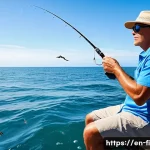
I’ve always loved the tranquility of a day out on the water, rod in hand, but it wasn’t until I started truly digging into it that I grasped just how much economic ripple effect that peaceful pastime creates.
You see, it’s not just about the big commercial trawlers or the weekend warrior catching dinner; it’s a colossal ecosystem of bait shops, boat manufacturers, tourism, and even the real estate around popular fishing spots, collectively contributing billions to our economy annually.
What’s truly fascinating is how this deeply traditional pursuit is now being reshaped by cutting-edge technology, from AI-driven aquaculture systems boosting sustainable yields to climate change impacting fish migration patterns and pushing the industry into uncharted waters.
I’ve personally seen how a great fishing season can breathe life back into a struggling coastal town, invigorating its small businesses and local pride.
It makes you realize just how deeply connected this seemingly simple activity is to jobs, innovation, and our broader global economic future. Let’s dive deeper below.
The Unseen Economic Web: Beyond the Catch
When I first picked up a rod as a kid, I honestly thought fishing was just about the joy of the catch, the quiet solitude, and maybe the promise of a fresh dinner.
It wasn’t until much later, diving deeper into how this passion truly functions in the world, that I fully grasped the sheer breadth of its economic reach.
What I’ve come to realize is that the “fishing industry” isn’t a single entity; it’s a vast, intricate ecosystem of interconnected businesses and livelihoods that touch almost every aspect of a coastal or lakeside community.
Think about it: before a single line hits the water, there’s a whole chain of commerce happening. You need a rod, a reel, line, hooks, lures, maybe a tackle box – all manufactured, distributed, and sold, often by small, local businesses that employ people right in your town.
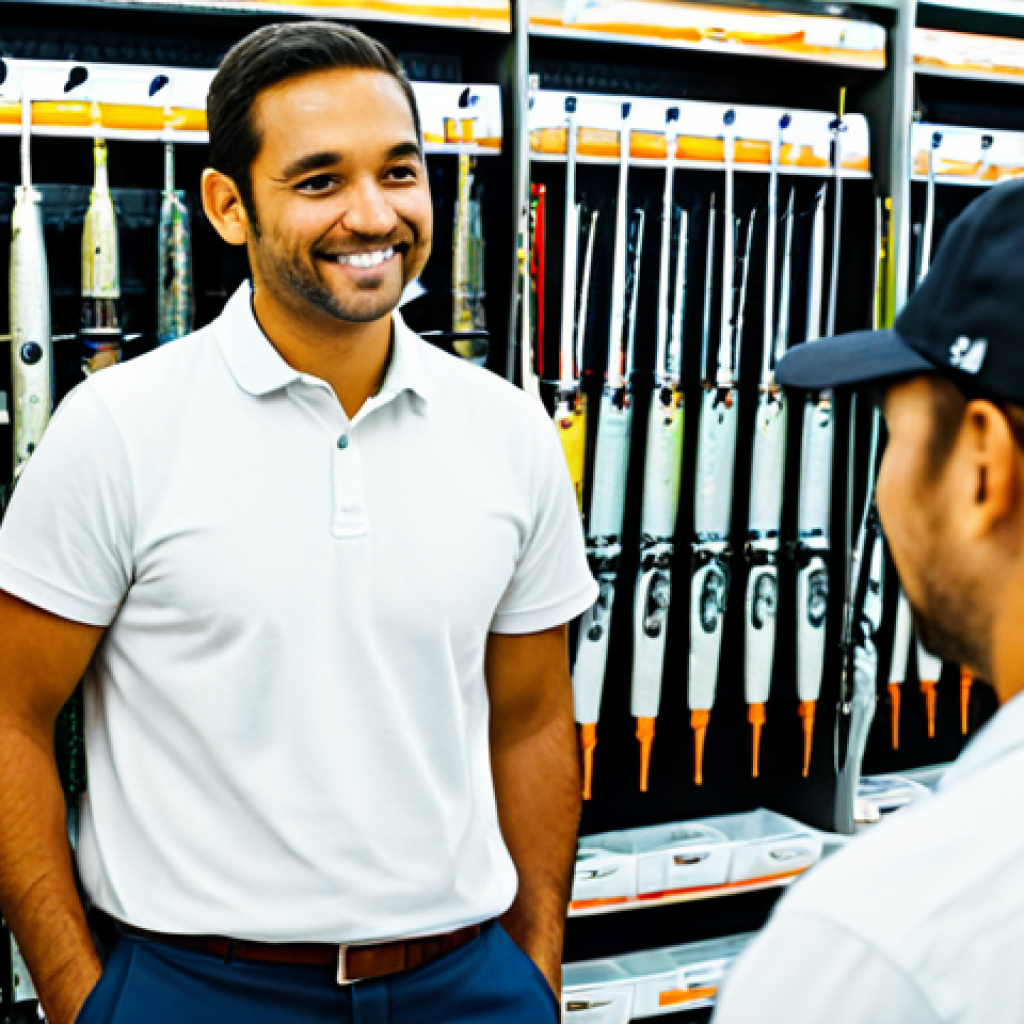
Then there are the bait shops, those indispensable hubs of local gossip and live wrigglers, providing not just sustenance for your tackle but also a vital pulse for the community.
I remember one summer in Florida, I visited a small bait shop that had been in the same family for three generations; it was more than a store, it was a community center, and its success directly supported several local families.
This vibrant network extends to boat sales, engine repair, trailer manufacturers, and even specialized apparel, each piece contributing to a massive economic engine that most casual observers never fully appreciate.
It’s this intricate dance of supply and demand, all orbiting around the simple act of fishing, that truly makes me marvel at its silent but powerful impact.
The Interconnected Supply Chain and Retail Ecosystem
- From the moment raw materials are sourced for fishing gear to the final sale of a specific lure, countless hands and businesses are involved. I’ve personally walked through factories that make fishing line, and the precision and technology involved are incredible, creating high-skilled jobs. The specialized materials for rods, the complex gears in reels – it’s a testament to manufacturing prowess. This industrial base often supports entire towns, providing stable employment.
- The retail side is equally fascinating. Small, independent tackle shops, like the one I mentioned in Florida, often serve as community pillars, offering not just products but expert advice and local knowledge. These shops frequently source from regional distributors, further extending the economic reach. Then you have the big box stores, which, while sometimes controversial among purists, also contribute significantly by making fishing accessible to a wider audience, thereby fueling demand for gear and bait on a larger scale. This creates competition and innovation, ultimately benefiting the consumer and the industry as a whole.
- Think about the support services too: line winding services, rod repair shops, even local guides who depend on these retailers for their equipment. It’s a complete circle. I’ve seen small towns revitalize their main streets just by having a thriving fishing presence.
Boating, Charters, and Coastal Prosperity: More Than Just a Ride
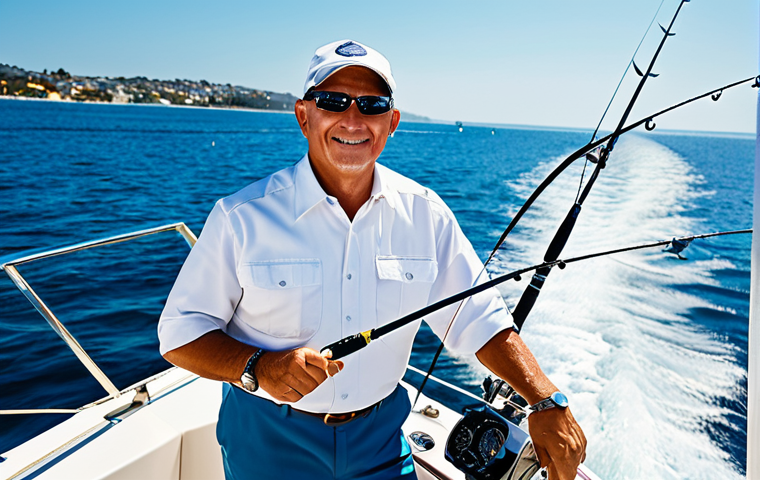
It’s impossible to talk about the economics of fishing without acknowledging the colossal impact of recreational and charter boating. For many, fishing isn’t just about standing on a pier; it’s about getting out on the open water, feeling the spray, and exploring new horizons.
This requires boats – from small, unassuming jon boats to elaborate offshore fishing machines – each representing a significant investment and driving an entire parallel industry.
I’ve owned a few boats in my time, and the expenses associated with them, from purchase price to maintenance, fuel, insurance, and storage, quickly add up, injecting substantial capital into the economy.
Marina services, boat mechanics, slip rentals, boat detailing, and winterization services are all critical businesses that thrive on the back of recreational fishing.
It’s a year-round economic cycle, even in colder climates where boats are stored and maintained off-season.
The Multiplier Effect of Aquatic Recreation
- Charter fishing, in particular, acts as a powerful economic engine for coastal communities. These businesses not only employ captains and crew but also stimulate local tourism significantly. When someone books a charter, they often need accommodations, eat at local restaurants, shop in local stores, and perhaps even visit other attractions. I remember one particular trip to the Outer Banks where our charter captain recommended a fantastic seafood shack; we ended up spending several hundred dollars over a few days, all because of that fishing trip. It’s a ripple effect where one dollar spent on a charter can generate many more dollars in the local economy.
- Beyond charters, the sheer volume of private boaters who travel to prime fishing locations creates a constant flow of economic activity. These individuals spend on gas, provisions, and local amenities, supporting everything from convenience stores to specialized marine electronics shops. I’ve often seen small, struggling coastal towns completely transformed during peak fishing seasons, bustling with visitors and vibrant with commerce, all thanks to the influx of anglers.
- The demand for specialized fishing boats, particularly those designed for specific types of fishing like bass boats or offshore sportfishing vessels, drives innovation and manufacturing in the marine industry. Companies invest heavily in research and development to create lighter, faster, more efficient boats, which in turn creates high-value jobs and contributes to technological advancements that can even spill over into other marine sectors.
Tourism, Local Economies, and the Allure of the Angler
Fishing tourism is a massive, often underestimated, segment of the travel industry. People travel thousands of miles, cross continents, and spend significant sums of money just to pursue a specific species of fish or experience a renowned fishing destination.
This isn’t just about a quick weekend trip; it often involves extended stays, requiring hotels, vacation rentals, car rentals, and patronage of local dining establishments.
From my personal experience, planning a dream fishing trip to, say, Alaska for salmon or the Caribbean for bonefish, involves weeks of research and a substantial budget.
These trips aren’t just a leisure activity; they’re an economic lifeline for many remote and picturesque locations that might otherwise struggle.
The Direct and Indirect Benefits to Hospitality and Retail
- The most immediate beneficiaries are often the hospitality sector. Hotels, motels, bed and breakfasts, and even campgrounds see a significant surge in occupancy during prime fishing seasons. I’ve seen small family-run lodges that depend almost entirely on anglers for their annual income, allowing them to provide consistent employment for their staff. This influx of visitors also puts pressure on local infrastructure, leading to investments in roads, utilities, and services, further boosting local economies.
- Local retail, beyond just tackle shops, also reaps considerable rewards. Tourists need groceries, souvenirs, clothing, and other necessities, funneling money directly into the hands of local shop owners. The unique character of many fishing destinations, often built around a strong community of anglers and marine enthusiasts, also draws in non-fishing tourists who are attracted by the authentic charm and vibrant atmosphere created by the fishing culture. It’s a fantastic symbiotic relationship where the love for fishing enriches an entire community.
- Consider the real estate market in popular fishing destinations. Waterfront properties, homes with boat access, or even vacation rentals near prime fishing spots often command higher prices and rental yields. This creates a robust market for real estate agents, property managers, and construction workers, adding another significant layer to the economic tapestry woven by fishing.
Innovation, Sustainability, and the Future of Aquatic Resources
It’s fascinating to observe how an activity as ancient as fishing is constantly being reshaped by cutting-edge technology and a growing emphasis on sustainability.
What used to be a simple pursuit driven by instinct and tradition is now a sophisticated field incorporating everything from advanced sonar and GPS to drone technology for spotting fish and even AI-driven analytics for managing fish stocks.
I’ve seen firsthand how new technologies can make fishing more efficient and safer, but also how they’re helping us become better stewards of our aquatic resources, which is absolutely vital for the long-term health of the industry.
The drive for sustainable practices isn’t just an environmental concern; it’s an economic imperative, ensuring future generations can also benefit from this incredible resource.
Technological Advancements and Resource Management
- Modern fishing equipment incorporates incredible technology. Fish finders are no longer just basic depth sounders; they offer high-definition underwater imaging, side-scanning capabilities, and even live sonar views, giving anglers an unprecedented look into the underwater world. This level of sophistication requires dedicated research and development teams, engineers, and manufacturers, creating high-tech jobs. The rapid evolution of electric trolling motors, lithium-ion batteries, and advanced navigation systems also showcases a significant investment in innovation.
- Beyond recreational gear, professional fishing and aquaculture are being revolutionized by data science and automation. AI is being used to optimize feed distribution in fish farms, monitor water quality, and even predict fish migration patterns based on environmental data. This leads to more efficient operations, reduced waste, and healthier fish stocks, which directly translates to economic gains. I’ve spoken with aquaculture experts who are genuinely excited about the potential for technology to make seafood production more sustainable and scalable than ever before.
- The focus on sustainable fishing practices, driven by both consumer demand and scientific understanding, has spawned entirely new industries related to conservation and resource management. This includes companies developing biodegradable fishing gear, non-lethal monitoring devices, and even specialized software for fisheries management that helps set catch limits and track populations responsibly. It’s an exciting time where economic growth and environmental stewardship are increasingly intertwined.
Challenges, Resilience, and Adapting to New Realities
While the economic benefits of fishing are immense, it’s crucial to acknowledge the significant challenges facing the industry today. Climate change, overfishing, habitat degradation, and evolving regulations all pose serious threats that can impact livelihoods and shift economic landscapes.
I’ve personally witnessed the frustration of local communities when fishing seasons are cut short due to environmental concerns, or when traditional fishing grounds shift because of changing water temperatures.
It’s a reminder that this is not a static industry; it’s constantly adapting to new realities, and its resilience depends on our collective ability to address these pressing issues head-on.
The good news is that people within the industry, from individual anglers to large corporations, are actively seeking solutions.
Navigating Environmental Shifts and Policy Impacts
- Climate change is perhaps the most existential threat, altering fish migration patterns, impacting breeding grounds, and leading to increased frequency of extreme weather events that disrupt fishing operations. I’ve heard firsthand accounts from seasoned captains who describe how species they once targeted regularly are now scarce or have moved further north. This forces businesses to adapt, find new species to target, or even relocate, which can be incredibly costly and disruptive. The economic impact on coastal communities reliant on specific fisheries can be devastating if not managed proactively.
- Overfishing, historically a major issue, has led to stringent regulations aimed at protecting fish stocks. While these regulations are necessary for long-term sustainability, they can impose significant short-term economic burdens on commercial and recreational anglers alike, through reduced quotas, shorter seasons, or gear restrictions. From my perspective, striking the right balance between conservation and economic viability is an ongoing, complex challenge that requires constant dialogue between scientists, policymakers, and those whose livelihoods depend on the water.
- Habitat destruction, often from coastal development or pollution, also directly impacts fish populations and, by extension, the fishing economy. Protecting and restoring critical habitats like estuaries, coral reefs, and seagrass beds isn’t just an environmental act; it’s an economic investment. Groups dedicated to habitat restoration often employ local workers and attract grant funding, providing another layer of economic activity that stems from the broader fishing ecosystem. It’s a testament to the industry’s adaptability and willingness to fight for its future.
The Broader Social and Community Fabric Woven by Fishing
Beyond the raw economic figures, what truly strikes me about the fishing industry is its profound impact on the social and cultural fabric of countless communities.
It’s more than just jobs and dollars; it’s about heritage, community identity, and a way of life that has been passed down through generations. When I travel to coastal towns, whether it’s a small fishing village in Maine or a bustling harbor in California, the fishing culture is palpable.
It influences everything from local festivals and culinary traditions to the very rhythm of daily life. This intangible value, while hard to quantify in spreadsheets, contributes immeasurably to the well-being and attractiveness of these places, drawing in tourism and residents alike, and strengthening local pride.
It reminds me that economic activity isn’t just about transactions, but about building and sustaining communities.
Cultural Heritage and Community Identity
- Many coastal communities have a deep-rooted history intertwined with fishing. Generations have lived off the sea, developing unique traditions, knowledge, and even dialects. This heritage is a powerful draw for cultural tourism, with visitors keen to experience authentic fishing village life, attend seafood festivals, and learn about maritime history. I’ve spent time in places where the local museum is dedicated solely to fishing history, showcasing the ingenuity and resilience of past generations, which then connects directly to today’s businesses.
- Fishing often forms the backbone of community events and social gatherings. Local fishing tournaments, for example, aren’t just competitive events; they are major social occasions that bring people together, fostering camaraderie and local pride. These events also attract visitors, filling hotels and restaurants, and generating revenue for local charities and organizations. It’s a powerful demonstration of how a shared passion can lead to significant economic and social benefits.
- The “salt-of-the-earth” character often associated with fishing communities also translates into a unique tourism appeal. People want to experience something authentic, away from generic tourist traps. This authenticity, fostered by generations of fishing tradition, creates a powerful brand for these communities, encouraging visitors to spend more and stay longer. It’s a clear example of how cultural preservation can directly translate into economic prosperity.
| Economic Contribution Category | Examples of Businesses/Activities | Key Economic Impact |
|---|---|---|
| Manufacturing & Retail | Rod & Reel Manufacturers, Lure Makers, Tackle Shops, Online Retailers, Apparel Brands | Job Creation, Sales Tax Revenue, Innovation in Materials & Design |
| Boating & Marine Services | Boat Builders, Engine Manufacturers, Marinas, Repair Shops, Fuel Docks | High-Value Manufacturing, Service Sector Employment, Infrastructure Support |
| Tourism & Hospitality | Fishing Charters, Lodges, Hotels, Restaurants, Vacation Rentals, Guides | Direct Tourism Spending, Seasonal Employment, Support for Local Businesses |
| Support & Ancillary Services | Bait & Tackle Distribution, Fishing Media (Magazines, Shows), Real Estate, Insurance, Transportation | Diverse Job Roles, Media Ad Revenue, Property Value Appreciation, Supply Chain Efficiency |
| Conservation & Education | Non-profits, Fisheries Management Agencies, Environmental Consultants, Educational Programs | Grant Funding, Public Sector Employment, Sustainable Resource Management, Future Viability |
Conclusion
What I’ve learned through countless hours on the water and even more time talking to people whose lives revolve around fishing, is that it’s so much more than just a hobby or a solitary pursuit.
It’s a colossal, dynamic economic force that underpins countless communities, drives innovation, and fosters a unique cultural identity. From the quiet hum of a bait shop to the roar of a charter boat engine, every aspect contributes to a vibrant, interconnected web of commerce and passion.
This silent economic giant truly underscores the profound importance of protecting our aquatic resources, not just for the joy of the catch, but for the livelihoods and legacies it sustains.
Useful Information
1. Support Local: When purchasing fishing gear or booking a trip, consider supporting local tackle shops and independent charter captains. They often offer invaluable local insights and directly contribute to the community’s economy.
2. Explore Different Fisheries: The economic impact varies significantly across different types of fishing (e.g., freshwater bass fishing, saltwater offshore, fly fishing). Each niche supports its own specialized industries and local economies.
3. Sustainability Matters: Responsible fishing practices, like adhering to catch limits and using appropriate gear, directly impact the long-term economic health of the industry by ensuring fish stocks remain viable for future generations.
4. Consider a Fishing Vacation: Beyond just the fishing itself, these trips inject substantial tourism dollars into often remote areas, supporting hotels, restaurants, and other small businesses that might otherwise struggle.
5. Look for Industry Events: Fishing shows, tournaments, and expos are not just for enthusiasts; they are major economic drivers, bringing together manufacturers, retailers, and consumers, stimulating sales and networking within the industry.
Key Takeaways
The fishing industry is a vast economic ecosystem, encompassing manufacturing, retail, marine services, tourism, and innovation. It directly creates diverse jobs, generates substantial revenue for local and regional economies, and fosters significant investment in technology and infrastructure.
Despite facing challenges like climate change and overfishing, its resilience and adaptability, coupled with a deep cultural significance, ensure its continued vital role in global economies and communities.
Frequently Asked Questions (FAQ) 📖
Q: So, you mentioned the “colossal ecosystem” of economic ripple effects from recreational fishing. Can you really break down how that simple activity contributes “billions” annually, beyond just the obvious boat sales or tackle shops?
A: Oh, absolutely. It’s a question I get asked a lot, and frankly, until you’ve seen it firsthand, it’s hard to grasp the sheer scale. When I talk about billions, I’m not just pulling numbers out of thin air.
Think about it: every time someone decides to go fishing for the day, that decision sets off a chain reaction. It starts with the bait shop owner, someone like old man Peterson down at “Peterson’s Lures & Bait”—he’s selling worms, minnows, all kinds of tackle, but also chatting with folks, giving tips, building a community.
Then, you’ve got the gas stations filling up the trucks pulling boats, the diner just off the highway serving breakfast before dawn, the small-town motels getting bookings from out-of-town anglers, and even the local grocery stores stocking up on snacks and drinks.
I’ve personally seen towns that, outside of fishing season, feel a little sleepy, just burst to life. It’s not just the immediate purchases, either. It’s the constant maintenance for boats, the boat storage facilities, the guides taking people out, the specialized apparel shops, and even the real estate market getting a bump around prime fishing lakes or coastal towns.
People buy homes specifically to be near good fishing! It’s this whole interconnected web, often powered by small, independent businesses, that collectively adds up to a significant chunk of our national economy, far more than most people ever realize.
Q: You touched on technology reshaping traditional fishing, mentioning
A: I-driven aquaculture. How is this cutting-edge tech really impacting the everyday angler or the broader industry, especially with climate change also pushing things into “uncharted waters”?
A2: It’s a wild frontier, truly. For the everyday angler, the tech influence might seem subtle at first, but it’s there. We’re talking about incredibly precise sonar, GPS systems that map lake beds with insane detail, even apps that predict optimal bite times based on weather patterns and lunar cycles.
I’ve watched guys go from guessing to using data, and their success rates climb. But on the bigger industry side, it’s revolutionary. Take AI in aquaculture: imagine farms where water quality, feed distribution, and fish health are monitored 24/7 by smart systems, optimizing conditions for faster, healthier growth with less waste.
This isn’t just about efficiency; it’s about sustainability. We’re talking about meeting demand without depleting wild stocks, which, frankly, is becoming more critical than ever with climate change stirring everything up.
I’ve personally seen how a shift in water temperatures, even a degree or two, can change migration patterns. Species that were abundant in one area for generations might suddenly become scarce, or new ones might appear.
This forces the industry, from commercial fishermen to local charter captains, to adapt on the fly. Technology provides the tools to monitor these changes, to predict where fish might be heading, and to develop more resilient, sustainable practices like land-based recirculating aquaculture systems.
It’s about using our brains and our gadgets to navigate these new, often unpredictable, waters.
Q: You mentioned seeing a great fishing season “breathe life back into a struggling coastal town.” Can you expand on that, the tangible impact on local pride and jobs, and how it connects to our broader global economic future?
A: That’s probably the most heartwarming aspect of it all, honestly. When a coastal town, or even a small lakeside community, has a banner fishing season, you can practically feel the change in the air.
I’ve witnessed it myself: a town that might have felt a bit down on its luck, perhaps with storefronts looking a little vacant, suddenly buzzes with energy.
The local tackle shop owner can finally afford to hire an extra hand, the family-run diner sees its tables filled from dawn till dusk, and the kid who’s been saving up all year for a new bicycle gets a chance to earn some serious summer money working at the marina.
It’s more than just economic; it’s a boost to local pride. People are working, money is circulating, and there’s a collective sense of purpose and vibrancy.
They see their town thriving, and it fosters a deep connection to their local environment and traditions. As for the global connection, it’s about recognizing that this seemingly simple activity, when healthy and sustainable, contributes to global food security through responsible aquaculture, supports diverse local economies worldwide, and encourages innovation in environmental monitoring and marine conservation.
It’s a vital thread in the global tapestry, showcasing how even deeply traditional pursuits can drive forward jobs, technology, and a more sustainable future for communities everywhere.
📚 References
Wikipedia Encyclopedia
구글 검색 결과
구글 검색 결과
구글 검색 결과
구글 검색 결과
구글 검색 결과