Choosing the right fishing line can feel like navigating a minefield, especially when you’re staring down a shelf packed with options boasting different strengths.
I remember one time, I lost what felt like a prize-winning bass because my line snapped at the worst possible moment. Ever since then, I’ve been on a quest to understand fishing line strength and find the perfect balance between sensitivity and resilience.
It’s about more than just the numbers printed on the spool; it’s about knowing how different lines behave under pressure. So, let’s delve into the nuances of fishing line strength and discover how to choose the right one for your next angling adventure.
We will explore breaking strength, knot strength, and even the effects of UV degradation, ensuring you’re well-equipped to make an informed decision. Let’s get this straight and find the best line for you below!
## Unraveling the Mystery of Fishing Line Strength: Beyond the NumbersSelecting the right fishing line transcends merely glancing at the pound test listed on the spool.
It’s a deep dive into understanding how different materials behave under various conditions. I remember vividly when I first started fishing, I assumed a higher pound test automatically meant a better line.
Boy, was I wrong! I hooked into a sizable catfish, and the line, despite its hefty rating, snapped like thread. That’s when I learned that line strength is a multifaceted concept, influenced by factors like knot tying, abrasion resistance, and even exposure to the sun.
It’s a game of balancing strength, sensitivity, and the specific demands of your fishing environment. Let’s dive into how to choose the line that will actually help you land that trophy fish.
Decoding Breaking Strength vs. Knot Strength
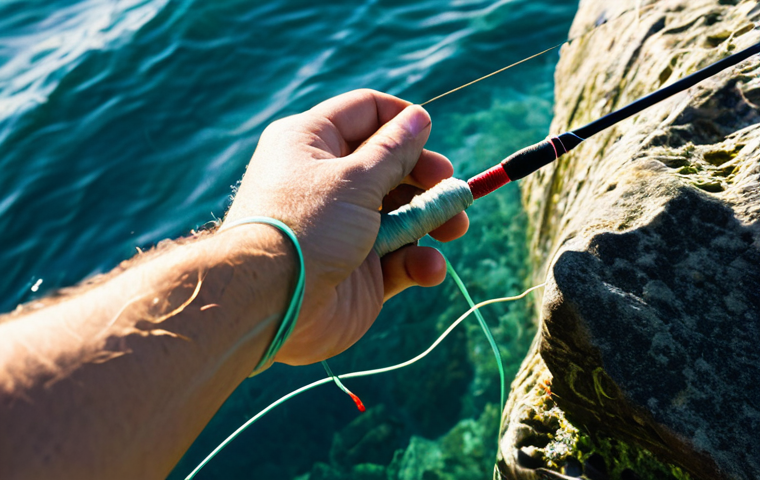
The breaking strength is the maximum force, measured in pounds, that a line can withstand before snapping under a straight, steady pull. However, in the real world, fishing lines rarely experience such ideal conditions.
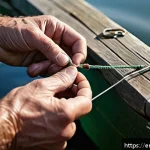
Tying a knot, for instance, inherently weakens the line. Knot strength refers to the actual strength of the line at the knot, which is often significantly lower than its stated breaking strength.
I’ve learned this the hard way, losing several fish because a poorly tied knot gave way. Therefore, always opt for knots known for their strength retention, like the Palomar or Improved Clinch knot, and ensure they’re tied correctly.
Also, regularly inspect your knots for any signs of wear or weakening, especially after landing a big one or snagging on underwater structure.
The Impact of Abrasion Resistance
Think of abrasion resistance as the fishing line’s ability to withstand friction against rocks, submerged timber, or even a fish’s teeth. I’ve fished in waters teeming with sharp rocks, and let me tell you, a line lacking in abrasion resistance is a recipe for disaster.
Each cast becomes a gamble, and the chances of losing a fish increase exponentially. Fluorocarbon lines, in particular, are known for their excellent abrasion resistance, making them a great choice when fishing in challenging environments.
Always check your line frequently for nicks and abrasions, especially after feeling it rub against something. If you notice any damage, don’t hesitate to cut off the affected section and retie your hook or lure.
The Invisible Enemy: UV Degradation and Line Longevity
Sunlight, specifically ultraviolet (UV) radiation, is a silent but potent enemy of fishing line. Prolonged exposure to UV rays can weaken the line, making it brittle and prone to snapping.
I once left a spool of monofilament line in my tackle box, exposed to direct sunlight for weeks. When I finally went to use it, it broke with the slightest tug.
Ever since, I’ve been meticulous about storing my lines in dark, cool places, away from direct sunlight. Opt for lines with UV inhibitors or consider using a line conditioner that offers UV protection.
Regularly inspect your line for signs of degradation, such as discoloration or a rough texture. If you suspect UV damage, it’s always better to err on the side of caution and replace the line.
The Lowdown on Different Fishing Line Materials
The type of material a fishing line is made from has a significant impact on its strength, sensitivity, and overall performance. I’ve experimented with various line types over the years, each with its unique strengths and weaknesses.
Monofilament is a classic choice, known for its affordability and all-around performance. Fluorocarbon is nearly invisible underwater and boasts excellent abrasion resistance.
Braid offers incredible strength and sensitivity, but it can be more expensive and visible to fish. The “best” line material ultimately depends on your specific fishing needs and preferences.
* Monofilament: Great all-around option. * Fluorocarbon: Low visibility and high abrasion resistance. * Braid: Superior strength and sensitivity.
Matching Line Strength to Target Species and Fishing Conditions
Selecting the appropriate line strength is not a one-size-fits-all proposition. It depends on the size and fighting ability of your target species, as well as the conditions you’ll be fishing in.
I wouldn’t use the same line for panfish that I would for muskie! For smaller fish like trout or panfish, a light line (2-6 lb test) is sufficient. For larger species like bass or catfish, a medium-strength line (8-15 lb test) is recommended.
When targeting truly large and powerful fish like muskie or tuna, you’ll need a heavy-duty line (20 lb test or higher). Also, consider the presence of cover or structure in the water.
If you’re fishing around heavy vegetation or rocks, you’ll need a stronger line to prevent break-offs.
Line Color: Does It Really Matter?
The debate over line color can be quite heated among anglers. Some swear that certain colors are more visible to fish, while others argue that line color is irrelevant.
In my experience, line color can make a difference, especially in clear water. I’ve found that low-visibility colors like clear or green tend to work well in most situations.
However, in murky water, brighter colors like yellow or orange can be helpful for detecting strikes. Ultimately, the best line color is the one that gives you the most confidence.
Line Maintenance: Extending the Life of Your Line
Proper line maintenance is essential for maximizing its lifespan and performance. I’ve seen anglers neglect their lines, only to be surprised when they fail at the worst possible moment.
After each fishing trip, inspect your line for any signs of damage or wear. Remove any debris or algae that may be clinging to the line. Store your spools of line in a cool, dark place, away from direct sunlight and extreme temperatures.
Periodically treat your line with a line conditioner to keep it supple and reduce friction. By following these simple maintenance tips, you can significantly extend the life of your fishing line and avoid costly break-offs.
| Line Type | Breaking Strength (lb) | Knot Strength | Abrasion Resistance | UV Resistance | Visibility | Best Use |
|---|---|---|---|---|---|---|
| Monofilament | Medium | Medium | Low | Low | Medium | General purpose, clear water |
| Fluorocarbon | Medium | Medium | High | Medium | Low | Clear water, abrasion-prone areas |
| Braid | High | High (with proper knot) | Medium | High | High | Heavy cover, long casts, strong fish |
The Art of Spooling: Avoiding Line Twist and Tangles
Ever had the frustration of dealing with a bird’s nest of line on your reel? I know I have, more times than I care to admit! Properly spooling your fishing reel is crucial for preventing line twist and tangles.
Make sure to spool the line onto the reel in the correct direction, following the manufacturer’s instructions. Don’t overfill the spool, as this can lead to line spilling off the reel and causing tangles.
Use a line spooling tool to maintain even tension on the line as you spool it onto the reel. If you experience line twist, try dragging the line behind your boat or kayak to untwist it.
Unraveling the Mystery of Fishing Line Strength: Beyond the Numbers
Selecting the right fishing line transcends merely glancing at the pound test listed on the spool. It’s a deep dive into understanding how different materials behave under various conditions. I remember vividly when I first started fishing, I assumed a higher pound test automatically meant a better line. Boy, was I wrong! I hooked into a sizable catfish, and the line, despite its hefty rating, snapped like thread. That’s when I learned that line strength is a multifaceted concept, influenced by factors like knot tying, abrasion resistance, and even exposure to the sun. It’s a game of balancing strength, sensitivity, and the specific demands of your fishing environment. Let’s dive into how to choose the line that will actually help you land that trophy fish.
Decoding Breaking Strength vs. Knot Strength
The breaking strength is the maximum force, measured in pounds, that a line can withstand before snapping under a straight, steady pull. However, in the real world, fishing lines rarely experience such ideal conditions. Tying a knot, for instance, inherently weakens the line. Knot strength refers to the actual strength of the line at the knot, which is often significantly lower than its stated breaking strength. I’ve learned this the hard way, losing several fish because a poorly tied knot gave way. Therefore, always opt for knots known for their strength retention, like the Palomar or Improved Clinch knot, and ensure they’re tied correctly. Also, regularly inspect your knots for any signs of wear or weakening, especially after landing a big one or snagging on underwater structure.
The Impact of Abrasion Resistance
Think of abrasion resistance as the fishing line’s ability to withstand friction against rocks, submerged timber, or even a fish’s teeth. I’ve fished in waters teeming with sharp rocks, and let me tell you, a line lacking in abrasion resistance is a recipe for disaster. Each cast becomes a gamble, and the chances of losing a fish increase exponentially. Fluorocarbon lines, in particular, are known for their excellent abrasion resistance, making them a great choice when fishing in challenging environments. Always check your line frequently for nicks and abrasions, especially after feeling it rub against something. If you notice any damage, don’t hesitate to cut off the affected section and retie your hook or lure.
The Invisible Enemy: UV Degradation and Line Longevity
Sunlight, specifically ultraviolet (UV) radiation, is a silent but potent enemy of fishing line. Prolonged exposure to UV rays can weaken the line, making it brittle and prone to snapping. I once left a spool of monofilament line in my tackle box, exposed to direct sunlight for weeks. When I finally went to use it, it broke with the slightest tug. Ever since, I’ve been meticulous about storing my lines in dark, cool places, away from direct sunlight. Opt for lines with UV inhibitors or consider using a line conditioner that offers UV protection. Regularly inspect your line for signs of degradation, such as discoloration or a rough texture. If you suspect UV damage, it’s always better to err on the side of caution and replace the line.
The Lowdown on Different Fishing Line Materials
The type of material a fishing line is made from has a significant impact on its strength, sensitivity, and overall performance. I’ve experimented with various line types over the years, each with its unique strengths and weaknesses. Monofilament is a classic choice, known for its affordability and all-around performance. Fluorocarbon is nearly invisible underwater and boasts excellent abrasion resistance. Braid offers incredible strength and sensitivity, but it can be more expensive and visible to fish. The “best” line material ultimately depends on your specific fishing needs and preferences.
- Monofilament: Great all-around option.
- Fluorocarbon: Low visibility and high abrasion resistance.
- Braid: Superior strength and sensitivity.
Matching Line Strength to Target Species and Fishing Conditions
Selecting the appropriate line strength is not a one-size-fits-all proposition. It depends on the size and fighting ability of your target species, as well as the conditions you’ll be fishing in. I wouldn’t use the same line for panfish that I would for muskie! For smaller fish like trout or panfish, a light line (2-6 lb test) is sufficient. For larger species like bass or catfish, a medium-strength line (8-15 lb test) is recommended. When targeting truly large and powerful fish like muskie or tuna, you’ll need a heavy-duty line (20 lb test or higher). Also, consider the presence of cover or structure in the water. If you’re fishing around heavy vegetation or rocks, you’ll need a stronger line to prevent break-offs.
Line Color: Does It Really Matter?
The debate over line color can be quite heated among anglers. Some swear that certain colors are more visible to fish, while others argue that line color is irrelevant. In my experience, line color can make a difference, especially in clear water. I’ve found that low-visibility colors like clear or green tend to work well in most situations. However, in murky water, brighter colors like yellow or orange can be helpful for detecting strikes. Ultimately, the best line color is the one that gives you the most confidence.
Line Maintenance: Extending the Life of Your Line
Proper line maintenance is essential for maximizing its lifespan and performance. I’ve seen anglers neglect their lines, only to be surprised when they fail at the worst possible moment. After each fishing trip, inspect your line for any signs of damage or wear. Remove any debris or algae that may be clinging to the line. Store your spools of line in a cool, dark place, away from direct sunlight and extreme temperatures. Periodically treat your line with a line conditioner to keep it supple and reduce friction. By following these simple maintenance tips, you can significantly extend the life of your fishing line and avoid costly break-offs.
| Line Type | Breaking Strength (lb) | Knot Strength | Abrasion Resistance | UV Resistance | Visibility | Best Use |
|---|---|---|---|---|---|---|
| Monofilament | Medium | Medium | Low | Low | Medium | General purpose, clear water |
| Fluorocarbon | Medium | Medium | High | Medium | Low | Clear water, abrasion-prone areas |
| Braid | High | High (with proper knot) | Medium | High | High | Heavy cover, long casts, strong fish |
The Art of Spooling: Avoiding Line Twist and Tangles
Ever had the frustration of dealing with a bird’s nest of line on your reel? I know I have, more times than I care to admit! Properly spooling your fishing reel is crucial for preventing line twist and tangles. Make sure to spool the line onto the reel in the correct direction, following the manufacturer’s instructions. Don’t overfill the spool, as this can lead to line spilling off the reel and causing tangles. Use a line spooling tool to maintain even tension on the line as you spool it onto the reel. If you experience line twist, try dragging the line behind your boat or kayak to untwist it.
Wrapping Up
Choosing the right fishing line can feel overwhelming, but understanding the nuances of breaking strength, abrasion resistance, and material types will significantly improve your fishing success. Remember to consider your target species, fishing environment, and personal preferences when making your selection. With a little knowledge and experimentation, you’ll be well on your way to landing more fish and enjoying your time on the water. Tight lines!
Handy Tips
1. Always wet your line before tightening a knot to reduce friction and prevent weakening.
2. Use a line clipper to trim your line cleanly after tying a knot. Avoid using your teeth, as this can damage the line.
3. Regularly check your rod guides for any nicks or cracks that could damage your line.
4. Consider using a leader line, especially when fishing for toothy fish or in abrasive environments.
5. Experiment with different line types and colors to find what works best for your local waters and target species.
Key Takeaways
Choosing the right fishing line involves understanding its breaking strength, knot strength, abrasion resistance, and UV degradation.
Different line materials (monofilament, fluorocarbon, braid) offer unique advantages and disadvantages.
Matching line strength to your target species and fishing conditions is crucial for success.
Proper line maintenance and spooling techniques can significantly extend the life of your line and prevent frustrating tangles.
Don’t be afraid to experiment with different line types and colors to find what works best for you.
Frequently Asked Questions (FAQ) 📖
Q: What’s the difference between line strength and knot strength, and why should I care?
A: Okay, so line strength, or breaking strength, is essentially the maximum force the line can withstand before it snaps in a straight pull. But here’s the catch: knots weaken the line.
Knot strength is the force the line can handle at the knot before it breaks. Think of it like this – your fishing line might say it’s 20lb test, but a poorly tied knot could make it break at only 10lb.
So, always use good knots, lubricate them before tightening, and test them out. Your knot is often the weakest link, and it’s definitely worth paying attention to.
Q: I’ve heard UV light can weaken fishing line. Is that really a big deal, and what can I do about it?
A: You bet it’s a big deal! UV degradation is a silent killer of fishing line. Think about it – your line’s baking in the sun all day while you’re out there casting.
Over time, that UV exposure breaks down the line’s molecules, making it weaker and more brittle. I’ve seen lines that have been left on a reel for a season that snap with just a little tug.
To combat this, store your reels in a dark, cool place when you’re not using them. Also, replace your line regularly, especially if it’s been sitting out in the sun a lot.
It’s a small price to pay compared to losing a trophy fish.
Q: How do I choose the right line strength for the type of fishing I’m doing? I’m confused by all the numbers!
A: I get it, all those numbers can be overwhelming. It really boils down to matching your line strength to the species you’re targeting and the conditions you’re fishing in.
For panfish like crappie or bluegill, a light line around 4-6lb test is perfect for finesse fishing and detecting those subtle bites. If you’re going after bass or bigger freshwater fish, you’ll probably want something in the 10-20lb range, depending on the size of the fish and the cover you’re fishing around.
For saltwater fishing, especially for larger species like tuna or marlin, you’ll need much heavier line, sometimes exceeding 50lb or even 100lb test. Consider the weight of the lures you plan to use as well; heavier lures usually require heavier line.
Ultimately, it’s all about finding that sweet spot where you have enough strength to land the fish but still maintain the sensitivity to feel what’s going on down there.
📚 References
Wikipedia Encyclopedia