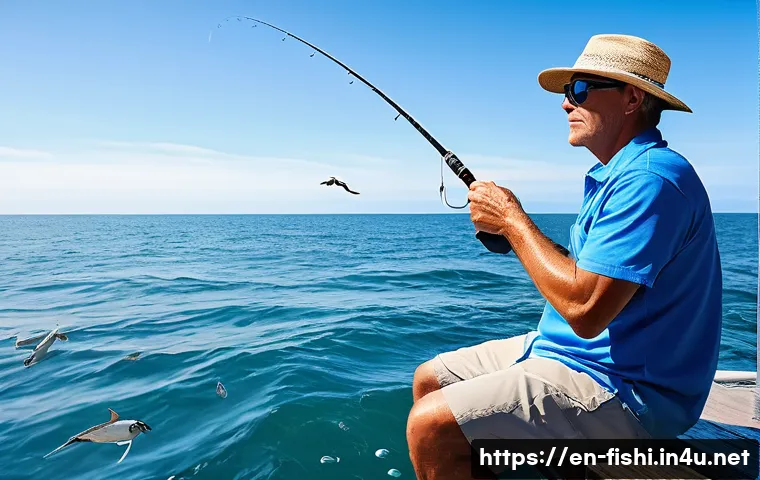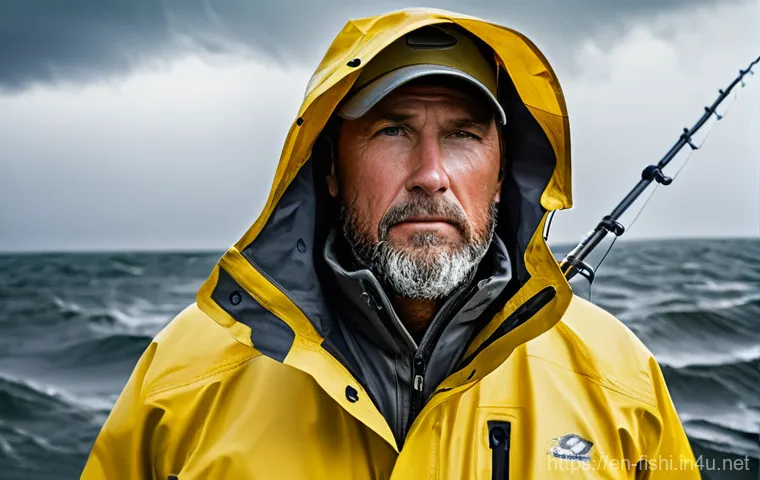
Ah, the open water! There’s nothing quite like the tranquility of a fishing trip, is there? But let’s be real, Mother Nature has a mischievous streak, and a sudden downpour can quickly turn your peaceful angling session into a soggy mess.
I’ve been there more times than I care to admit, shivering through a supposed “waterproof” jacket that failed spectacularly. Over the years, I’ve learned the hard way that having the right waterproof gear isn’t just about comfort; it’s about safety, endurance, and ultimately, enjoying your time out there, whether you’re fly fishing in a brisk stream or battling the elements offshore.
The technology in fishing apparel has come so far, from breathable fabrics that keep you dry from the inside out to incredibly durable materials that stand up to the harshest conditions.
Gone are the days of bulky, stiff rubber suits! Today, we have options that feel almost like a second skin, offering incredible mobility and protection.
But with so many choices, how do you even begin to pick the perfect setup for your adventures? It can be overwhelming, trust me. Join me as we cast a line into the world of fishing waterproofs and uncover exactly what you need to stay bone dry on your next big catch.
Let’s get into the nitty-gritty of choosing your ideal fishing waterproofs.
Decoding Waterproof Ratings: Beyond the “Waterproof” Label
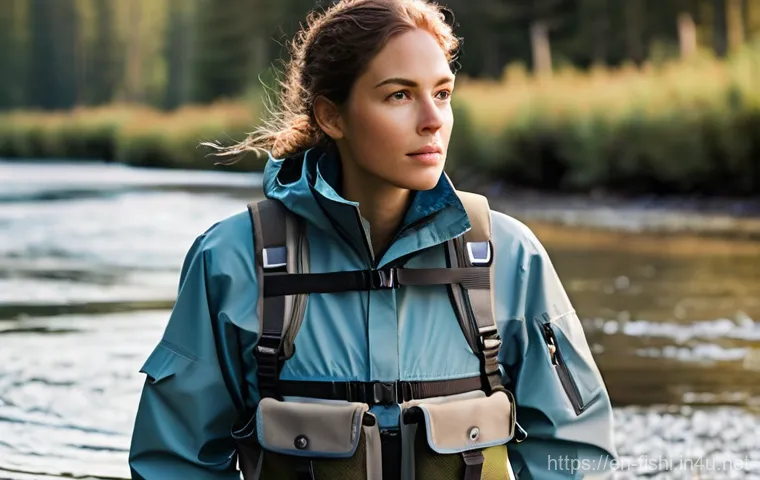
Alright, so you’re staring at a jacket tag that proudly proclaims “100% Waterproof!” Sounds great, right? But let me tell you from personal experience, that simple phrase can be mighty misleading. I’ve been soaked to the bone in jackets that promised ultimate dryness, only to discover that “waterproof” has a spectrum. It’s not just a yes or no answer; it’s about how much water pressure an item can withstand before moisture starts seeping through. Think about it: a light drizzle is one thing, but a sustained downpour with driving wind is a completely different beast. That’s why diving a little deeper into the technical jargon is actually super helpful, not just some marketing gimmick. It’s the difference between a pleasant day on the water and a miserable, shivering trek back to shore. Understanding the real numbers and technologies behind that “waterproof” claim will empower you to make an informed decision and truly invest in gear that won’t let you down when the skies open up.
Understanding Hydrostatic Head: The Real Deal on Water Resistance
When you see technical specs, pay attention to something called “hydrostatic head.” This isn’t just a fancy term; it’s genuinely the most important indicator of a fabric’s waterproofness. It’s measured in millimeters (mm) and basically tells you the height of a column of water the fabric can support before water penetrates. For casual fishing in light rain, something around 5,000mm might cut it, but honestly, for serious angling or if you’re heading out in unpredictable weather, I always aim for 15,000mm or even 20,000mm+. My current offshore bibs boast a 28,000mm rating, and let me tell you, they’ve kept me dry through some absolute deluges that would have rendered lesser gear useless. It’s like having a little personal force field against the elements. Don’t skimp on this number, especially if you spend hours exposed to the elements. You’ll thank yourself later when you’re still comfortable and dry while everyone else is bailing water.
Breathability: Staying Dry from the Inside Out
Here’s the thing: being waterproof is only half the battle. What good is keeping the rain out if you’re sweating like crazy on the inside, leaving you just as damp? That’s where breathability comes in, and it’s a game-changer. High-quality fishing waterproofs aren’t just barriers; they’re smart membranes designed to let water vapor (your sweat!) escape while blocking liquid water from entering. This is typically measured in grams per square meter per 24 hours (g/m²/24h). A higher number means more breathability. I vividly remember a trip where I wore an old, non-breathable rain jacket – it was waterproof, alright, but after a few hours of casting, I was so clammy and uncomfortable that I actually started to get cold from my own internal moisture. Never again! Now, I always look for a breathability rating of at least 10,000g, ideally 20,000g or more. It makes a world of difference in your comfort, allowing you to focus on the fish, not on feeling like you’re wrapped in a plastic bag.
Tailoring Your Gear to Your Fishing Style and Environment
One of the biggest lessons I’ve learned over countless fishing expeditions is that there’s no one-size-fits-all solution for waterproof gear. The perfect jacket for a calm lake day won’t stand a chance against the relentless spray of open ocean fishing, and trying to fly fish in heavy-duty offshore bibs is just plain ridiculous. It truly boils down to understanding where and how you’ll be fishing most often. Are you a weekend warrior hitting the local pond, or are you charting deep seas in unpredictable weather? Your environment dictates everything, from the durability of the fabric to the type of seams and even the number and placement of pockets. I once bought a fantastic waterproof jacket, only to realize its cut was completely wrong for kayak fishing, restricting my paddle stroke and constantly riding up. Little details like that can make or break your trip, so take a moment to really visualize your typical fishing scenario before you even start browsing.
Freshwater vs. Saltwater: Different Demands, Different Gear
The distinction between freshwater and saltwater fishing is absolutely crucial when choosing your waterproofs. Saltwater environments are incredibly corrosive and abrasive. The sun’s UV rays are intense, and the constant exposure to salt spray can quickly degrade materials not designed for it. You’ll need gear made with more robust fabrics, often with reinforced stitching and corrosion-resistant zippers and snaps. Think heavy-duty nylon or treated polyester blends that can stand up to the relentless abuse. Freshwater fishing, on the other hand, might allow for lighter, more flexible materials, especially if you’re frequently hiking to remote spots or casting in tight quarters where bulk is a hindrance. I used to think any waterproof gear would do, but after seeing my “freshwater” jacket start to fray and lose its waterproofing after just a few offshore trips, I quickly learned my lesson. Invest in saltwater-specific gear if you’re hitting the ocean; it’s a game-changer for longevity and performance.
From Kayaks to Charters: Activity-Specific Considerations
Your chosen fishing activity plays a massive role too. If you’re kayak fishing, you’ll want something with a shorter cut on the jacket to prevent it from bunching up, and perhaps a reinforced seat area on your pants. Mobility is key when you’re paddling and casting from a seated position. For wading in streams or rivers, waders are non-negotiable, and you’ll need to consider their construction – breathable chest waders for deep, active fishing, or lighter hip waders for shallower excursions. Offshore charter fishing demands the toughest, most protective gear: full bibs, heavy-duty jackets with storm flaps, and often integrated hand warmers or reinforced cuffs for handling lines. I’ve been on charter boats where the deck felt like a waterfall, and without proper bibs and a jacket with a good storm hood, I would have been absolutely miserable. Think about your movements, your exposure, and the specific challenges of your chosen method. It truly makes a difference in your overall comfort and enjoyment.
| Fishing Environment/Activity | Key Gear Recommendations | Important Features to Look For |
|---|---|---|
| Inshore/Freshwater (Light Rain) | Lightweight, breathable rain jacket & pants | 5,000-10,000mm waterproof, 5,000g+ breathability, packable design |
| River/Stream Wading | Breathable chest waders, wading jacket | Durable fabric (e.g., GORE-TEX), articulated knees, integrated gravel guards, fly patches |
| Offshore/Heavy Weather | Heavy-duty bibs, offshore jacket | 20,000mm+ waterproof, 15,000g+ breathability, reinforced stress points, storm cuffs, high collar |
| Kayak/Small Boat | Short-cut jacket, flexible pants/bibs | High mobility, reinforced seat, adjustable cuffs, easy-access pockets |
The Upper Hand: Choosing Your Perfect Waterproof Jacket
Ah, the fishing jacket! For many of us, this is the cornerstone of our waterproof arsenal, and rightly so. It’s what protects your core, your most vital area, from the relentless assault of rain, wind, and spray. But picking the “perfect” one can feel like navigating a maze of features and fabrics. I’ve gone through my fair share of jackets, from budget buys that barely lasted a season to premium options that felt like a second skin in a storm. The key isn’t just about how much you spend, but how well the jacket aligns with your personal needs and fishing habits. I’ve realized that often, it’s the subtle design elements, the ones you don’t even think about until you’re out there, that truly elevate a jacket from good to absolutely essential. It’s not just a piece of clothing; it’s your frontline defense against whatever Mother Nature throws at you.
Fit, Features, and Fabric: The Triple F Threat
Let’s talk about the “Triple Fs.” First, Fit is paramount. You need a jacket that allows for a full range of motion – casting, reeling, netting a fish – without feeling restrictive. Too tight, and you’ll be uncomfortable and limited; too baggy, and it’ll flap in the wind, catch on things, and let cold air in. Many fishing jackets are designed with an “active fit” in mind, meaning they’re cut to allow for movement. Next, Features. Do you need multiple pockets for tackle and tools? Are they waterproof? What about D-rings for attaching gear or a comfortable, fleece-lined collar for warmth? My current jacket has handwarmer pockets that are a lifesaver on chilly mornings, and a secure internal pocket for my phone – features I never knew I needed until I had them. Finally, Fabric. We’ve already discussed hydrostatic head and breathability, but also consider durability. Will it stand up to snags from hooks or rubbing against boat railings? Look for ripstop fabrics or reinforced high-wear areas if you’re hard on your gear.
Zippers, Cuffs, and Hoods: The Devil’s in the Details
Honestly, it’s the small things that truly distinguish a great fishing jacket from a mediocre one. Take zippers, for instance. If they aren’t waterproof or at least highly water-resistant (often covered by a storm flap), rain will find its way in, guaranteed. YKK AquaGuard zippers are a personal favorite of mine for their reliability. Then there are the cuffs. Adjustable cuffs with an internal seal, often neoprene or a similar material, are crucial for preventing water from running down your arm when you’re reaching into the water to land a fish or simply casting in the rain. I once had a jacket with loose cuffs, and every time I raised my arm, water would run straight down my sleeve – utterly frustrating! And finally, the hood. A well-designed hood is a lifesaver. It should be adjustable, allowing you to cinch it down securely in high winds, and it should offer excellent peripheral vision. A stiffened brim is also a huge plus for keeping rain out of your eyes. Don’t overlook these seemingly minor details; they make a monumental difference in your dry comfort.
From Waist to Waders: Protecting Your Lower Half
While the jacket gets a lot of glory, let’s not forget the unsung heroes of waterproof gear: your lower half protection. I’ve made the mistake of investing heavily in a fantastic jacket only to pair it with flimsy, inadequate rain pants, and believe me, there’s nothing quite as demoralizing as a soggy backside on a cold fishing day. Whether you’re standing on a boat deck taking spray, kneeling to unhook a fish, or actively wading into a stream, your legs and torso are just as vulnerable to the elements, if not more so. The right pair of waterproof pants, bibs, or waders can elevate your comfort and endurance exponentially. It’s about creating a complete, impenetrable shield, not just protecting your upper body. Thinking about these pieces as an integrated system rather than separate items will lead to a much more enjoyable and productive time on the water.
Waterproof Pants and Bibs: Comfort and Protection
For many fishing scenarios, waterproof pants or bibs are your go-to. Pants offer good mobility and are easy to slip on and off, making them ideal for situations where you might only need protection intermittently. Look for features like articulated knees for ease of movement and reinforced seat and knee areas, especially if you find yourself kneeling or sitting a lot. However, if you’re in for serious weather or frequent spray, bibs are often the superior choice. The high waist or full chest coverage of bibs provides an extra layer of protection, preventing water from splashing up under your jacket or seeping in when you bend over. I swear by my offshore bibs; they’ve kept me dry and warm even when waves were crashing over the bow. The integrated suspenders keep them from sagging, and they usually have more pockets and tool loops. When combined with a good jacket, bibs essentially create a full-body waterproof barrier, which is absolutely essential for long days exposed to the elements.
Waders: When You Need to Go Deeper
Now, if your fishing adventures take you directly into the water, waders are indispensable. Whether you’re fly fishing a trout stream or stalking redfish in the flats, good waders allow you to literally immerse yourself in the environment while staying bone dry. The choice usually comes down to material and style. Neoprene waders are fantastic for colder water, offering excellent insulation, but they can be bulky and less breathable. For warmer water or active fishing where you’re doing a lot of walking, breathable waders made from GORE-TEX or similar multi-layer fabrics are a lifesaver. They let sweat escape, keeping you comfortable even on warmer days. I prefer chest waders for their versatility and protection, but hip waders can be great for shallower wading. Look for features like durable, reinforced boot sections or integrated gravel guards to prevent sand and pebbles from getting into your wading boots. My first pair of waders had thin boot material, and I quickly learned the hard way that a small puncture can ruin your day. Invest in quality waders if you plan on getting wet, because a leak can turn an amazing day into an utterly miserable one in an instant.
The Unsung Heroes: Accessories for All-Around Dryness
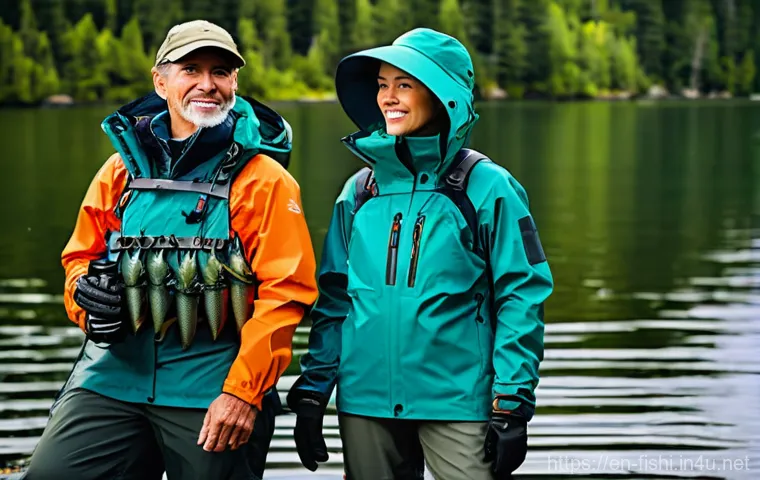
We often focus so much on the main pieces – the jacket and pants – that we sometimes overlook the critical role played by waterproof accessories. And let me tell you, overlooking these smaller items is a mistake I’ve made more than once, much to my discomfort! There’s nothing quite like having a dry core but freezing, wet hands or water trickling down your neck. These seemingly minor details are actually crucial for completing your waterproof shield and ensuring that your entire body stays protected and comfortable. It’s all about preventing those tiny weak points where moisture can sneak in and compromise your overall warmth and enjoyment. Think of them as the finishing touches on your armor; without them, you’re leaving yourself vulnerable to those sneaky drips and chills that can really sour a good day out on the water.
Headwear and Gloves: Often Overlooked, Always Crucial
First up, let’s talk about keeping your head and hands dry. A good waterproof hat is a revelation. Beyond just keeping rain off your face, a brimmed hat helps keep water out of your eyes, which is incredibly helpful when you’re trying to spot a fish or tie a knot in a downpour. Many quality fishing jackets have excellent hoods, but a hat adds an extra layer of protection and can be more comfortable for light rain. Then there are gloves. Oh, the gloves! Cold, wet hands are not only uncomfortable but can seriously impair your dexterity, making it hard to tie knots, handle fish, or even operate your reel. I’ve found waterproof, insulated gloves to be absolutely essential for colder weather or conditions with a lot of spray. For warmer days, a pair of quick-drying, sun-protective gloves might be enough, but for serious wet weather, proper waterproof gloves are a non-negotiable. My go-to pair has a grippy palm for better rod control and a fleece lining that keeps my fingers surprisingly nimble even when it’s pouring.
Waterproof Footwear: Keeping Your Toes Toasty and Dry
And finally, your feet! There’s nothing worse than cold, squishy feet, and it’s a surefire way to cut a fishing trip short. Good waterproof boots or deck shoes are an absolute must. For boat fishing, look for non-marking soles with excellent grip to prevent slips on wet decks. Features like neoprene liners for insulation and reinforced toe caps for durability are huge bonuses. If you’re shore fishing or walking along riverbanks, a more robust, hiking-style waterproof boot might be better, offering ankle support and better traction on uneven terrain. I learned this lesson the hard way after a particularly muddy bank fishing trip where my “water-resistant” sneakers completely failed me. Now, I always have a dedicated pair of truly waterproof boots or comfortable deck shoes that I know will keep my feet dry and secure, no matter the conditions. It really completes the full-body dry experience, allowing you to focus on the fishing, not your uncomfortable feet.
Longevity Lessons: Extending the Life of Your Waterproof Gear
You’ve invested good money in your waterproof gear, and you want it to last, right? It’s not just about buying quality; it’s also about how you treat it. I’ve seen fellow anglers utterly ruin expensive jackets and waders in a single season simply by neglecting proper care. These aren’t just pieces of clothing; they’re technical garments designed with delicate membranes and coatings that require a little TLC to maintain their performance. Ignoring the care instructions is like driving your car without changing the oil – eventually, things are going to break down, and you’ll be left with a soggy, expensive regret. Trust me, a few minutes of care after each trip can add years to the life of your gear, ensuring it continues to protect you season after season. It’s an investment in your comfort and your wallet, really.
Cleaning and Re-proofing: Simple Steps for Lasting Performance
One of the most common myths is that you shouldn’t wash waterproof gear. Absolutely false! Dirt, salt, sun cream, and insect repellent can all clog the pores of breathable membranes and degrade DWR (Durable Water Repellent) coatings. I typically give my gear a quick rinse with fresh water after every saltwater trip and a more thorough wash with a specialized technical fabric cleaner a few times a season. Regular detergents can actually strip away the DWR and leave residues that hinder breathability. After washing, sometimes the DWR needs a boost. You’ll notice this when water stops beading up and starts to “wet out” on the fabric surface. That’s your cue to re-proof! There are fantastic spray-on or wash-in re-proofing treatments available that are specifically designed for breathable waterproof fabrics. Follow the instructions carefully, and you’ll restore that fresh-out-of-the-box water repellency, making your gear perform like new again. It’s a simple process that yields incredible results.
Smart Storage: Preventing Premature Wear and Tear
How you store your gear between trips is just as important as how you clean it. Never, and I mean never, stuff your damp waterproofs into a crumpled ball at the bottom of a gear bag. This is a recipe for mildew, odors, and permanent creasing that can damage the waterproof membrane. Always allow your gear to fully air dry, ideally hanging it in a well-ventilated area away from direct sunlight. Once dry, store it loosely on a hanger or gently folded in a dry, cool place. Avoid compressing it tightly for long periods, as this can break down the fabric’s integrity. For waders, I like to hang them upside down to ensure any residual moisture drains out. Also, keep sharp objects away from your gear during storage. A tiny puncture from a misplaced hook or a sharp edge can compromise the entire piece. Treating your gear with a little respect when it’s not in use will pay dividends in its lifespan and ensure it’s always ready to perform when you hit the water.
Smart Shopping Strategies: Getting the Best Bang for Your Buck
Let’s be real, waterproof fishing gear can be a significant investment. High-quality jackets and waders aren’t cheap, and it’s tempting to just grab the cheapest option. But trust me, as someone who’s tried to save a few bucks only to end up soaking wet and miserable, it’s a false economy. However, that doesn’t mean you need to break the bank to get effective protection. The trick is to be a smart shopper, understanding where to splurge and where you can be a bit more conservative. It’s about finding that sweet spot between performance and price, making sure every dollar you spend contributes to your dry comfort and longevity on the water. A little research and strategic thinking can go a long way in ensuring you get the best value for your hard-earned money.
Balancing Cost and Performance: Where to Invest
So, where should you really open your wallet? My rule of thumb is to prioritize the core pieces that offer the most protection and have the most advanced technology: your main jacket and your primary lower-body protection (bibs or waders). This is where features like high hydrostatic head ratings, advanced breathable membranes (like GORE-TEX), and durable construction really matter. These pieces are your frontline defense, and their failure can truly ruin a trip. For smaller accessories like gloves, hats, or secondary rain pants for very light conditions, you might be able to find more budget-friendly options that still get the job done. It’s a bit like buying a car: you invest in the engine and safety features, but you might go for a more basic stereo. Don’t be afraid to save on certain items, but never compromise on the fundamental waterproof and breathable capabilities of your main garments. My best advice: always stretch your budget a little for that main jacket; it’s truly worth it.
Researching Brands and Reviews: Your Best Allies
Before you commit to a purchase, do your homework! The internet is an incredible resource for anglers today. Start by researching reputable brands known for their fishing gear. Companies that specialize in outdoor or marine apparel often have a better understanding of the specific demands of fishing. Beyond brand names, dive deep into customer reviews. Pay attention to what real users are saying about the gear’s performance in actual fishing conditions. Look for mentions of durability, comfort, fit, and how well it stands up to rain and spray. I always sift through reviews looking for patterns – if multiple people complain about a zipper failing or seams leaking, that’s a huge red flag. Also, check out independent gear reviews from trusted fishing publications or bloggers; they often put gear through rigorous testing. Don’t just rely on the marketing hype; let the collective experience of other anglers guide you toward smart choices that will keep you dry and happy on your next adventure.
Wrapping Things Up
Well, we’ve covered a lot of ground today, haven’t we? From decoding those tricky waterproof ratings to understanding why your lower half deserves just as much attention as your jacket, I truly hope this deep dive helps you make smarter choices for your next fishing adventure. Remember, investing in the right waterproof gear isn’t just about staying dry; it’s about maximizing your comfort, extending your time on the water, and ultimately, making those unforgettable fishing memories without the distraction of being cold and wet. Don’t let a sudden downpour or an unexpected splash send you packing early. Gear up wisely, fish confidently, and enjoy every single moment out there!
Handy Tips for Your Next Adventure
1. Layer Up Smartly: Always wear moisture-wicking base layers under your waterproofs. Cotton is a definite no-go as it traps moisture and makes you cold. Think technical fabrics that efficiently pull sweat away from your skin, ensuring you stay warm and dry from the inside out.
2. Test Your Gear Regularly: Before a big trip, make it a habit to give your gear a quick inspection. Spray it with water to see if it still beads up nicely, and carefully inspect all seams and zippers for any signs of wear or damage. A small leak fixed at home is infinitely better than a big, uncomfortable surprise when you’re out on the water.
3. Consider a Dry Bag: Even with the best waterproof outerwear, some essentials like your phone, wallet, and car keys need an extra layer of security. A small, reliable dry bag, tucked away inside your jacket pocket or tackle box, is an absolute lifesaver for keeping these crucial items bone dry and functional.
4. Practice Knot Tying with Gloves On: If you anticipate needing to wear waterproof or insulated gloves in colder weather, dedicate some time to practice tying your essential fishing knots while wearing them. It’s a skill that truly takes time to master, and you absolutely don’t want to be fumbling when that dream fish is finally on the line.
5. Sun Protection is Still Key: Even on overcast, rainy days, harmful UV rays can easily penetrate cloud cover. Never forget to apply sunscreen to any exposed skin, and seriously consider wearing a hat with a wide brim to protect your face, even if it’s worn underneath your jacket’s hood. Your skin will definitely thank you for the extra care!
Key Takeaways
At the end of the day, making informed choices about your waterproof fishing gear boils down to a few critical points. Firstly, understand that “waterproof” isn’t a uniform standard; always check the hydrostatic head rating for a true measure of protection. Secondly, remember that breathability is just as vital as waterproofing for internal comfort, preventing that dreaded clammy feeling. Thirdly, tailor your gear meticulously to your specific fishing environment and activity – what performs admirably on a calm lake simply won’t cut it for the relentless conditions of the open ocean. Finally, consistent proper care and smart accessorizing with items like hats, gloves, and footwear will significantly extend your gear’s lifespan and profoundly enhance your overall experience. Invest wisely, maintain diligently, and you’ll always stay dry, comfortable, and focused on what truly matters: the thrill of the catch!
Frequently Asked Questions (FAQ) 📖
Q: What’s the real deal with “waterproof” versus “water-resistant” gear, and why should I even care?
A: Oh, this is such a common question, and honestly, it’s where many anglers get tripped up! I’ve been there, buying something labeled “water-resistant” only to find myself soaked through after a solid downpour.
Here’s the scoop: “Water-resistant” gear is essentially designed to handle light drizzles or a few splashes. Think of it as a brief shield; it’ll repel water for a short time, but it’s not going to stand up to sustained rain or heavy spray.
It often means the fabric has a coating (a DWR, or Durable Water Repellent, finish is common) that makes water bead up and roll off. But, if you’re out for more than a quick shower, that water will eventually find its way in.
“Waterproof” gear, on the other hand, is built to keep you dry even in the heaviest of storms and for extended periods. This is the stuff that gives you true peace of mind on the water.
The difference lies in the materials and construction. Truly waterproof gear uses specialized membranes or coatings that completely block water from entering, and crucially, it has features like sealed seams and waterproof zippers to prevent any leaks through stitching or openings.
When I’m heading out, especially for a full day or in unpredictable conditions, I always opt for waterproof. It’s not just about comfort; it’s about staying safe and being able to focus on the fish, not on how miserable you are.
Trust me, the extra investment is worth every penny when the weather turns. A truly waterproof jacket, bib, or pair of waders can literally be the difference between a fantastic day and packing up early, shivering and frustrated.
Q: What kinds of materials are really “waterproof and breathable,” and which ones are best for fishing?
A: This is where the magic happens in modern fishing gear! Gone are the days of feeling like you’re wearing a sauna suit under your waterproofs. The key phrases you want to look for are “waterproof and breathable.” Why both?
Because while you want to keep the rain out, you also want to let your sweat vapor escape so you don’t get clammy and cold from the inside out. In my experience, the gold standard for waterproof and breathable fabrics is often something like Gore-Tex.
It’s a membrane technology that has billions of tiny pores; they’re small enough to stop water droplets from getting in, but large enough for water vapor (your sweat!) to get out.
Other fantastic options use similar proprietary technologies, often referred to as “microporous membranes” or “laminates” that achieve the same effect.
You’ll also find durable nylon or polyester fabrics treated with a strong DWR coating and a waterproof membrane. For heavy-duty, commercial-grade gear, sometimes you’ll see PVC (polyvinyl chloride).
PVC is incredibly waterproof and durable, almost 100% waterproof in some cases, which is great for repelling fish blood, grime, and harsh marine conditions.
However, the trade-off with traditional PVC is often breathability, meaning you might get a bit warmer inside. Many brands, like Gill or AFTCO, have developed their own advanced 2-layer or 3-layer systems that balance extreme waterproofing with excellent breathability, using materials like XPLORE+® or MarineSpec™.
When you’re choosing, always check for those sealed seams and waterproof zippers – they make a huge difference in the overall performance of the fabric!
Q: How do I choose the right waterproof gear for my specific fishing adventures and conditions?
A: This is probably the most crucial question, because there’s no one-size-fits-all answer in fishing, right? What works for fly fishing a mountain stream might not cut it for offshore battling big game.
I’ve learned to think about a few key things:First, where are you fishing? If you’re wading in a stream or river, you’ll need good waders – breathable ones for warmer conditions and perhaps neoprene for colder water.
For boat fishing, especially offshore, you’ll want full foul-weather gear: a robust jacket and bibs (overalls) with high waterproof ratings, built to withstand heavy spray and waves.
Inshore or lake fishing might allow for lighter, more packable options that can handle sudden showers. Second, what’s the weather forecast (and how unpredictable is it)?
For light, intermittent rain or windy days, a lightweight shell with good water-repellent properties might be enough. But if strong winds and heavy rain are on the cards, you absolutely need gear with a high waterproof rating – I’d personally look for something 20K+ (hydrostatic head) to stay truly dry and comfortable.
And don’t forget layering! Even the best waterproof outer shell works optimally with moisture-wicking base layers underneath to manage sweat and regulate your temperature.
Finally, consider features and fit. Look for adjustable cuffs and hems to seal out water and wind, a good hood that stays put (especially on a boat!), and plenty of well-placed, waterproof pockets for your essentials.
Mobility is key; you need to be able to cast, reel, and move freely without your gear restricting you. Brands like Simms, Grundéns, and AFTCO are often angler favorites because they design with these real-world fishing scenarios in mind, offering specialized lines for different conditions and fishing styles.
Always remember, your gear is an investment in your comfort and your enjoyment on the water.