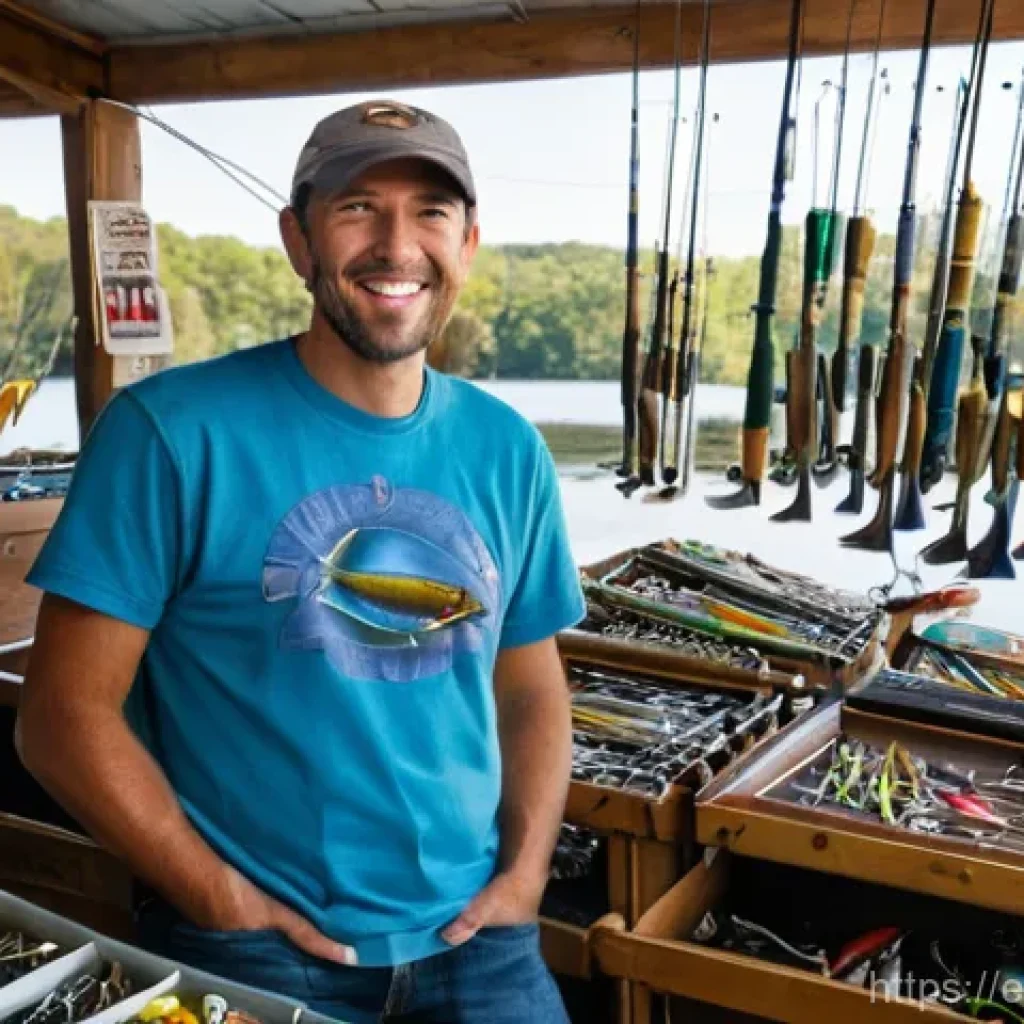
Hey there, fellow anglers and outdoor enthusiasts! Ever found yourself staring at a shiny new rod or reel, your heart racing, only for your wallet to start weeping softly in your pocket?
We’ve all been there. Fishing can be an incredibly rewarding hobby, but let’s be honest, the cost of top-tier gear can sometimes feel like a real catch-22.
But what if I told you there’s a smarter way to upgrade your arsenal or even get started without breaking the bank? What if you could snag some incredible finds, maybe even vintage gems or barely-used premium equipment, for a fraction of the original price?
From my own years of chasing everything from feisty trout in mountain streams to tenacious bass in murky lakes, I’ve personally discovered that the pre-loved market is an absolute goldmine.
It’s not just about saving money; it’s about smart investing, finding unique pieces that tell a story, and even doing a little good for the planet by giving gear a second life.
However, navigating the world of used fishing equipment can feel a bit like casting into unknown waters – exciting, but also with the potential for a few tangled lines.
Don’t worry, though, because I’m here to share all the insider tips and tricks I’ve picked up along the way, helping you avoid common pitfalls and reel in some truly amazing deals.
We’re going to dive deep into how to spot a winner, what to inspect closely, and where the best places are to find your next favorite piece of gear. Let’s uncover the secrets to mastering the art of buying used fishing gear and setting yourself up for countless successful trips.
Let’s get into the nitty-gritty of how to do it right!
Scouting the Sweet Spots: Where the Best Deals Hide
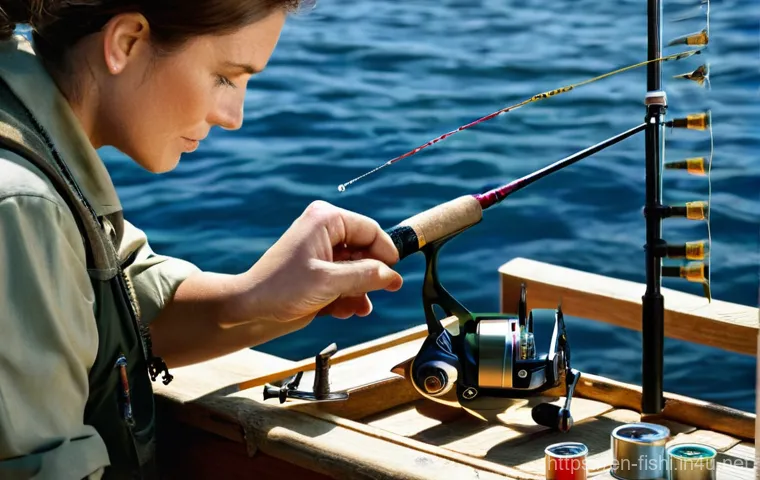
When I first started seriously upgrading my fishing arsenal, I used to think the only way to get quality gear was to shell out big bucks at the sporting goods store.
Man, was I wrong! It took me a few years of trial and error, and maybe a couple of questionable purchases, but I eventually figured out that the used market is an absolute treasure trove if you know where to look.
It’s like finding a secret fishing hole no one else knows about – pure gold! I’ve snagged everything from a pristine, barely-used high-end baitcaster for half price to vintage fiberglass rods that cast like a dream.
The trick isn’t just *where* to look, but *how* you approach these spots. You need to be patient, a little bit curious, and always ready to pounce when a deal swims by.
This isn’t just about saving money; it’s about the thrill of the hunt, the satisfaction of finding something truly special, and often, giving a perfectly good piece of equipment a second life.
I’ve heard countless stories from fellow anglers about their incredible finds, and trust me, those stories are way more exciting than just walking into a big box store and picking something off the shelf.
Online Marketplaces and Forums: A Digital Goldmine
The internet has completely revolutionized the way we buy and sell used gear, and fishing equipment is no exception. Sites like Facebook Marketplace, eBay, and dedicated fishing forums are bustling with folks looking to offload their old tackle, often because they’re upgrading, downsizing, or just clearing out the garage.
I’ve had some of my best scores on these platforms. What I love about them is the sheer variety; you’ll find everything from antique lures to modern, high-tech sonar units.
My biggest tip here? Set up search alerts for specific brands or items you’re eyeing. Be quick to respond, but always, *always* ask for more photos and details.
Don’t be shy about asking questions – what’s the reason for selling? How old is it? Has it been serviced?
People are generally pretty honest in these communities, especially on niche fishing forums where reputation matters. Plus, you can often get a feel for the seller’s personality, which goes a long way in building trust.
Just remember, it’s a bit like fishing in a vast ocean; sometimes you catch a whale, sometimes you just get seaweed, but the potential for a trophy find is always there.
Local Gems: Garage Sales, Tackle Shops, and Flea Markets
While the digital world offers convenience, there’s something undeniably charming about finding a deal in person. Garage sales, estate sales, and flea markets are fantastic places to stumble upon forgotten treasures.
I once found an entire box of vintage Rapala lures at an estate sale for pennies on the dollar – they’re now some of my most prized possessions! The key with these spots is showing up early and having a keen eye.
Look past the dusty exterior; sometimes a good wipe-down is all a piece of gear needs. Don’t overlook your local independent tackle shops either. Many of them have consignment sections or trade-in programs, and the staff often know the history of the gear they’re selling.
They’re also a fantastic resource for expert advice. And let’s not forget pawn shops, though they can be hit or miss. The beauty of buying locally is you can physically inspect the item, feel the weight of the rod, test the reel’s action, and even chat with the seller.
This personal interaction often leads to better deals and a deeper understanding of the gear’s backstory. It’s a completely different experience than clicking “buy now,” and for me, it adds to the adventure of fishing itself.
Becoming a Gear Detective: Your Pre-Purchase Inspection Checklist
Alright, you’ve spotted a potential gem online or in person – awesome! Now comes the critical part: inspecting it. This is where your inner detective needs to shine.
Trust me, I’ve learned the hard way that a quick glance isn’t enough. There’s nothing more frustrating than getting home with what you thought was a killer deal, only to find a critical flaw that renders your new toy useless.
My rule of thumb is this: assume nothing, inspect everything. Every single piece of fishing gear, from the tip of the rod to the smallest component of a reel, tells a story about its life.
You need to be able to read those signs, understand what wear and tear is acceptable, and what constitutes a deal-breaker. It’s not just about aesthetics; it’s about function and longevity.
Spending a few extra minutes scrutinizing an item before you hand over your hard-earned cash can save you a world of headaches and disappointment down the line.
This is where your expertise as an angler really comes into play, even if you’re just starting out.
Rods: Flex, Guides, and Ferrules, Oh My!
When it comes to fishing rods, a thorough inspection is paramount. Start by looking at the blank itself. Are there any deep scratches, cracks, or signs of stress, especially near the ferrules (the joints where rod sections connect)?
Flex the rod gently to check its action – does it feel responsive, or does it creak and groan like an old ship? Pay close attention to the guides. Run your finger, or better yet, a cotton swab, along the inside of each guide ring.
Any nicks, cracks, or sharp edges can quickly fray and snap your line. Misaligned guides can also cause casting issues. Next, examine the reel seat.
Is it firmly attached? Does the screw mechanism work smoothly to secure a reel? Finally, check the cork or EVA foam handle for excessive wear or damage.
While cosmetic scuffs are fine, deep gouges or loose pieces can impact your grip and comfort. Remember, a rod needs to be structurally sound to handle the stress of casting and fighting a fish.
Reels: Smooth Cranks and Solid Drags
Reels are complex pieces of machinery, so your inspection needs to be meticulous. First, give the handle a good crank. It should spin smoothly, quietly, and without any grinding or excessive play.
Listen carefully for any unusual noises – those are red flags. Next, test the drag system. Spool out a bit of line and pull it steadily, feeling for consistent tension without any sticking or jerking.
Make sure the drag adjustment knob turns freely and effectively changes the drag pressure. Check the bail arm on spinning reels; it should snap open and close crisply.
On baitcasters, test the free spool button and ensure the level wind mechanism moves smoothly. Examine the reel foot for any cracks or bends that might prevent it from seating properly on your rod.
Rust is also a major concern, especially in saltwater environments. A little surface rust might be manageable, but widespread corrosion often indicates deeper problems.
Lures and Terminal Tackle: Small Finds, Big Impact
Don’t underestimate the value of used lures, hooks, and other terminal tackle! While these might seem like minor purchases, they can quickly add up, and finding a bulk lot of good-quality, used items can be a huge win.
For lures, check for bent or rusted hooks – those are easy to replace. Look for chipped paint, especially on hard baits; sometimes it’s just cosmetic, but deep chips can affect action or buoyancy.
Make sure any diving lips are intact and not cracked. For soft plastics, ensure they aren’t dried out, brittle, or melted together. Swivels, snaps, and sinkers are often sold in mixed lots; check for rust or weakness in any moving parts.
Sometimes you’ll find custom-tied flies or hand-painted crankbaits that are absolute works of art and incredibly effective. These small items are perfect for stocking up your tackle box without draining your bank account, and the potential for unique, hard-to-find pieces is surprisingly high.
| Gear Type | Key Inspection Points | Red Flags to Watch For |
|---|---|---|
| Fishing Rods | Blank integrity (cracks, deep scratches), guide inserts (nicks, smoothness), reel seat security, ferrule fit, handle condition. | Visible cracks, wobbly guides, loose reel seat, creaking noise when flexed, severe guide insert damage. |
| Fishing Reels | Smoothness of retrieve (no grinding), drag consistency, bail arm/level wind function, reel foot integrity, visible rust/corrosion. | Grinding gears, sticky/jerky drag, bent reel foot, excessive play in handle, widespread corrosion. |
| Lures & Terminal Tackle | Hook sharpness/rust, lure body integrity (chips, cracks), diving lip condition, soft plastic flexibility. | Bent/severely rusted hooks, deep cracks in lure bodies, brittle soft plastics, melted items. |
Mastering the Art of the Deal: Negotiation and Value Assessment
Finding that perfect piece of used gear is one thing, but getting it at the right price? That’s where the real magic happens. I’ve walked away from some fantastic pieces because the price just wasn’t right, and I’ve also scored some unbelievable deals by confidently and respectfully negotiating.
It’s not about being cheap; it’s about being smart and understanding the true value of what you’re buying. Think of it like this: every dollar you save on gear is another dollar you can put towards gas for your boat, bait, or even a future fishing trip!
My philosophy is always to start with a clear idea of what I’m willing to pay, based on my research, and then to approach the seller with a friendly, open attitude.
Remember, most people selling used gear are just trying to clear space or make a bit of extra cash, not necessarily to rip anyone off. Building a good rapport can actually be your best negotiation tool.
Knowing Your Worth: Researching Fair Market Prices
Before you even think about making an offer, you absolutely need to do your homework. This is crucial. Hop online and check recent sales for similar items on eBay, look at current retail prices for comparable new models, and browse dedicated fishing forums where people often discuss gear values.
For instance, if you’re eyeing a particular brand of reel, search for “used [brand] [model] reel sale price” to get an idea of what they’ve actually sold for, not just what people are asking.
Pay attention to the condition of the items sold – a “like new” item will command a higher price than something with obvious wear. This research gives you an informed baseline and helps you determine a fair offer.
Walking into a negotiation armed with this knowledge gives you immense confidence and prevents you from overpaying or, just as importantly, making an insultingly low offer.
It’s about being prepared and showing the seller you’re a serious, knowledgeable buyer.
The Gentle Art of Haggling: Building Rapport for Better Buys
Once you’ve done your research, it’s time to talk turkey. My personal approach is always to start by making a genuine compliment about the item or expressing enthusiasm for it.
“That’s a beautiful rod, I’ve always wanted to try one of these!” Then, if the price feels a little high based on my research, I’ll gently offer a slightly lower, but still reasonable, figure.
Instead of saying, “Your price is too high,” try something like, “I was hoping to spend around X, given its condition, would you be open to that?” Or, if you’ve found a minor flaw during your inspection, you can use that as leverage.
“I noticed a small scratch on the blank; would you consider Y given that?” The key is to be polite, respectful, and not aggressive. Many sellers are open to negotiation, especially if they’ve had an item listed for a while.
Sometimes, offering to pick it up quickly or paying cash can also sweeten the deal. Remember, a friendly conversation often leads to a mutually beneficial agreement, and who knows, you might even make a new fishing buddy in the process!
Breathing New Life into Old Gear: Post-Purchase Care
You’ve done it! You’ve reeled in an amazing deal on some pre-loved fishing gear. Congratulations!
But the journey doesn’t end there. Think of it like adopting a rescue dog; it might need a little TLC to truly thrive. My personal experience has taught me that a bit of effort right after purchase can dramatically extend the life of your new-to-you equipment and ensure it performs at its best.
It’s not just about cleaning; it’s about making it *yours* and setting yourself up for countless successful fishing trips. This is where you transform a good deal into a lasting investment, turning a potentially neglected piece of equipment into a reliable partner on the water.
Don’t skip this crucial step, because neglecting it can quickly turn your bargain into a regret. A little elbow grease and attention can make all the difference, preserving its functionality and even boosting its aesthetic appeal.
Initial Cleaning and Maintenance: A Fresh Start
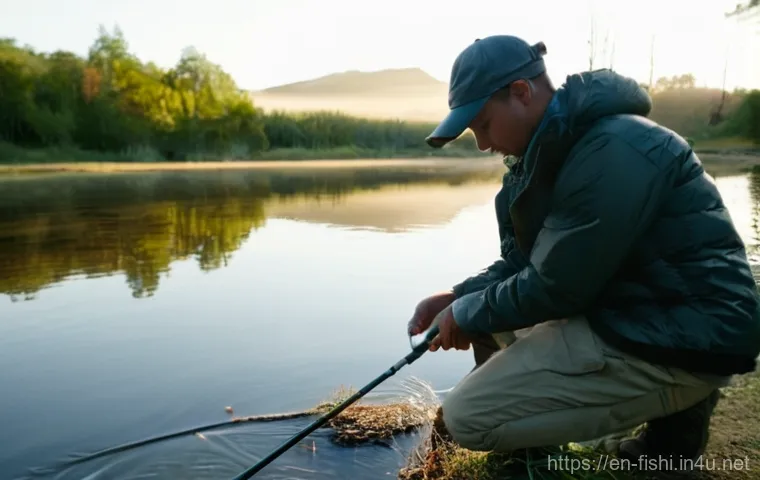
The very first thing I do with any used gear, whether it’s a rod or a reel, is give it a thorough cleaning. You never know where it’s been or how it’s been stored!
For reels, this usually means a gentle wipe-down with a damp cloth and mild soap to remove surface grime, followed by a light application of reel oil to moving parts and grease to the gears (if you’re comfortable opening it up – otherwise, a professional service might be a good idea for higher-end reels).
For rods, a simple wash with soap and water to clean the blank and guides, followed by a good rinse, does wonders. Pay special attention to the guide inserts, ensuring they’re free of grit.
Check handles for any embedded dirt. This initial clean-up not only makes the gear look better, but it also helps you identify any subtle issues you might have missed during the initial inspection.
It’s like a fresh start for your new old friend, preparing it for its next adventure with you.
Simple Repairs and Upgrades: Making it Yours
Sometimes, a fantastic deal comes with a few minor imperfections. Don’t let that deter you! Many common issues with used gear are surprisingly easy and inexpensive to fix, and doing so can instantly elevate a good deal to a great one.
For instance, rusty or dull hooks on lures are a quick fix with replacements that cost next to nothing. Frayed line on a reel? Strip it off and spool on some fresh mono or braid; it’s a simple upgrade that makes a huge difference in performance.
If a rod guide insert is chipped, you can often replace just the insert, or if the damage is worse, a local tackle shop can replace the entire guide for a reasonable fee.
Sometimes, I’ll even upgrade components, like swapping out a standard reel handle for a custom power handle, which personalizes the reel and improves ergonomics.
These small investments in time and a few dollars can transform a piece of used gear, bringing it up to par with much more expensive new equipment and truly making it feel like it was made just for you.
The Eco-Angler’s Advantage: Sustainable Fishing, Smarter Choices
Beyond the obvious benefit of saving some serious cash, buying used fishing gear has a profound impact that many anglers overlook: it’s incredibly good for the planet.
As someone who spends countless hours enjoying the natural beauty of lakes and rivers, the idea of reducing my environmental footprint really resonates with me.
Every piece of equipment that gets a second life is one less item manufactured from scratch, one less set of resources consumed, and one less piece of potential waste added to our landfills.
It’s a quiet but powerful statement about sustainable living and responsible consumption. I’ve personally found immense satisfaction not just in the savings, but in knowing that I’m contributing to a more circular economy within the angling community.
It makes those catches feel even more meaningful when you know your gear has a story that extends beyond a factory floor.
Reducing Your Footprint, Maximizing Your Fun
Think about the resources that go into manufacturing a brand-new fishing rod or reel: raw materials like aluminum, graphite, plastics, and various metals, plus the energy required for production, assembly, and transportation.
By choosing to buy used, you’re directly reducing the demand for new production and minimizing the environmental impact associated with it. It’s a tangible way to practice sustainability in your hobby.
And let’s be real, often the older gear was built with incredible durability and craftsmanship that’s hard to find in some mass-produced modern items.
You’re not just getting a great deal; you’re often getting a piece of equipment that was built to last, designed in an era where planned obsolescence wasn’t the norm.
This means you’re investing in quality that will serve you well for years to come, further reducing the need to buy new. It’s a win-win: your wallet stays happy, and Mother Earth gets a little break.
The Unique Story Behind Every Piece
One of the things I truly cherish about my collection of used fishing gear is the stories they carry. That vintage tackle box I snagged at a flea market?
I can only imagine the lakes and rivers it’s seen, the fish it’s helped catch, and the hands that have carefully opened and closed it over the decades.
Each scratch, each faded label, each bit of wear tells a silent tale. When I pick up a rod that’s clearly been well-loved, I feel a connection to the angler who owned it before me.
It adds a layer of character and history to my fishing experience that a brand-new, sterile piece of equipment simply can’t replicate. It’s not just a tool; it’s a relic, a piece of living history that continues to serve its purpose.
This unique narrative makes every outing a little more special, connecting me not just to the fish, but to the rich legacy of angling itself.
Dodging the Duds: Spotting Red Flags and Staying Safe
As much as I love advocating for buying used gear, I have to be honest: not every deal is a diamond in the rough. There are definitely some duds out there, and unfortunately, a few unscrupulous sellers too.
I’ve had my share of minor disappointments – a reel that wasn’t quite as smooth as advertised, a rod with a hidden micro-fracture. These experiences, while frustrating, taught me invaluable lessons about being cautious and trusting my instincts.
It’s all part of the learning curve, but my goal here is to help you avoid those pitfalls entirely. Your hard-earned money and precious fishing time are too valuable to waste on a bad deal.
Being aware of potential red flags and knowing when to walk away is just as important as knowing what to look for in a good purchase.
Buyer Beware: Common Scams and How to Avoid Them
The online world, while convenient, can sometimes be a breeding ground for less-than-honest dealings. Be wary of listings with extremely low prices that seem too good to be true – they often are.
Vague descriptions, blurry photos, or sellers who refuse to provide more details are major red flags. I’ve learned to be suspicious of sellers who pressure you for quick payment or insist on unusual payment methods that don’t offer buyer protection, like wire transfers.
Always try to use platforms with secure payment systems and buyer protection policies. If meeting in person, always choose a public, well-lit place and, if possible, bring a friend.
Don’t feel pressured to make a purchase if something feels off. Trust your gut. If a seller’s story doesn’t add up or they seem evasive, it’s probably best to just move on.
There will always be another deal out there, so don’t let FOMO (fear of missing out) push you into a bad decision.
Trust Your Gut: When to Walk Away
This might be the most important tip I can give you: if something feels off, just walk away. It doesn’t matter how great the price is, or how much you want that particular piece of gear.
If the seller seems shady, if the item’s condition raises too many questions, or if you simply have a bad feeling in your stomach, save yourself the potential headache.
I’ve found that my intuition has rarely steered me wrong. There have been times I’ve walked away from what looked like a decent deal, only to find an even better one a week later.
The fishing world is vast, and good used gear is always circulating. Don’t let the excitement of a potential bargain blind you to obvious problems or uncomfortable situations.
Your peace of mind and the enjoyment of your hobby are far more valuable than any piece of equipment. Be patient, be vigilant, and always prioritize your safety and satisfaction.
글을 마치며
Well, fellow anglers, that wraps up our deep dive into the incredibly rewarding world of used fishing gear. I truly hope this guide empowers you to approach the pre-loved market with confidence and excitement. It’s more than just saving a few bucks; it’s about the thrill of the chase, the satisfaction of unearthing a hidden gem, and the pure joy of extending the life of quality equipment. Every piece I’ve picked up with a bit of history seems to cast just a little bit sweeter, carrying the tales of countless fish caught and memories made. So, next time you’re thinking about upgrading your tackle, remember to cast your net wide and explore the fantastic opportunities waiting in the used market. You might just find your next prized possession!
알아두면 쓸모 있는 정보
1. Unlocking the Treasure Chest: Embrace the Hunt for Unique Finds
Diving into the used fishing gear market isn’t just about finding cheaper alternatives; it’s about embarking on a genuine treasure hunt where rarity and value often intersect. I’ve personally stumbled upon vintage lures that are no longer manufactured, or high-end reels from a previous season that perform just as well as the latest model, but for a fraction of the price. The beauty of this approach is that you’re not limited to what’s currently stocked on store shelves. Online forums often feature limited edition rods or custom-built tackle that passionate anglers are looking to rehome. This process truly transforms shopping into an adventure, allowing you to build a tackle box with character and performance that sets you apart from the crowd. It’s an exhilarating feeling to know that your gear has a story, a past life, and that you’re giving it a new chapter on the water. This mindset shifts your perspective from mere acquisition to appreciative discovery, enriching your entire angling experience.
2. Your Essential Gear Detective Kit: A Pre-Purchase Inspection Blueprint
When you’re eyeing a promising piece of used gear, whether online or in person, treat yourself like a seasoned detective. I’ve learned from experience that a thorough, almost forensic, inspection is absolutely crucial. Don’t be shy about asking for extra photos of specific angles or even a video demonstration if you’re buying remotely. For reels, listen intently for any grinding sounds, test the drag consistently across its range, and check for any wobble in the handle. With rods, carefully run a cotton swab along the guide inserts to detect any hairline cracks that could shred your line. Always look for signs of rust, especially in screw threads or bearings, as this can indicate neglect or saltwater exposure. It’s not about being distrustful, but about being smart and protecting your investment. Remembering to scrutinize every detail, from the smallest screw to the overall balance of the item, can save you from a disappointing purchase and ensure that your new-to-you equipment will perform reliably when you need it most.
3. The Art of the Friendly Exchange: Mastering Negotiation with Respect
Negotiation might sound intimidating, but I’ve found it’s less about aggressive haggling and more about respectful, informed dialogue. Before you even think about making an offer, do your homework: check completed sales on platforms like eBay, compare prices of new equivalents, and understand the general market value for the item in its condition. This research arms you with confidence. When you engage with a seller, start by expressing genuine interest or a compliment about the item. Then, if you feel the price isn’t quite right, gently suggest a lower, but still reasonable, offer. Phrases like, “Would you be open to considering X, given its age?” or “I noticed a minor cosmetic scuff, would you meet me at Y?” can open the door without sounding demanding. Remember, many sellers are simply looking to clear space and are open to reasonable offers, especially if you offer quick pickup or cash payment. Building a good rapport can often lead to a mutually beneficial deal, and sometimes, you might even gain a new fishing contact or friend in the process.
4. Transforming the Old into Gold: Post-Purchase Care and Customization
Bringing a piece of used gear home is just the beginning; the real magic happens when you give it a little tender loving care. My first step is always a meticulous cleaning – you’d be surprised what a good scrub with mild soap and water can do for a dusty rod or a grime-covered reel. For reels, a fresh application of high-quality reel oil and grease (if you’re comfortable with a simple breakdown) can make it feel brand new, improving smoothness and extending its lifespan significantly. Don’t overlook simple upgrades either. Swapping out dull or rusty hooks on lures is cheap and easy, instantly making them more effective. Re-spooling a reel with fresh line is a no-brainer that instantly boosts performance. Sometimes, I’ll even personalize a rod with new grip tape or a custom winding check to truly make it my own. These small investments in time and a few dollars not only enhance the functionality and appearance of your gear but also create a deeper connection between you and your fishing tools, turning a bargain into a cherished possession ready for countless adventures.
5. Fishing Green: Embracing Sustainability Through Smart Gear Choices
Beyond the undeniable financial benefits, opting for used fishing gear is a powerful statement about environmental responsibility. As someone who cherishes the outdoors, I find immense satisfaction in knowing that each pre-loved rod or reel I acquire is one less item contributing to manufacturing demands, resource consumption, and landfill waste. It’s a tangible way to reduce your carbon footprint and support a more circular economy within the angling community. Many older pieces of equipment were built with remarkable durability and craftsmanship, often outlasting some of today’s mass-produced items, meaning they continue to serve their purpose for years to come. By choosing to give these items a second life, you’re actively participating in sustainable practices, minimizing the environmental impact of your beloved hobby, and demonstrating a profound respect for the natural spaces we all love to explore. It’s a win-win situation where your wallet, your passion, and the planet all benefit.
중요 사항 정리
The journey of acquiring used fishing gear is a fantastic blend of savvy shopping, hands-on inspection, and a touch of eco-conscious living. Always remember to arm yourself with solid research before making an offer, meticulously inspect every detail to avoid future disappointments, and approach negotiations with a friendly, informed mindset. Once you’ve brought your new-to-you treasure home, a little care and attention can transform it into a high-performing, reliable companion for your angling adventures. By embracing the used market, you’re not just saving money; you’re making smarter, more sustainable choices that benefit both your wallet and the planet, all while enjoying the thrill of finding those perfect pieces of gear.
Frequently Asked Questions (FAQ) 📖
Q: uestions
A: bout Buying Used Fishing Gear
Q: How can I tell if a used rod or reel is actually worth buying and not just a money pit?
A: This is probably the biggest question on everyone’s mind, and trust me, I’ve learned a few hard lessons here myself. The key is a thorough inspection.
For reels, your absolute first step is to check for smooth operation. Crank that handle. Does it feel gritty?
Is there any wobble or excessive play? Listen for unusual noises. If it feels anything less than buttery smooth, especially on higher-end models, walk away.
Next, check the drag – does it engage smoothly and consistently or does it stick and shudder? For rods, run your hand down the blank, feeling for any deep scratches, cracks, or flat spots, which could indicate structural damage.
Inspect all the guides; make sure none are bent, cracked, or missing inserts. A damaged guide can shred your line faster than a hungry piranha. Always check the reel seat for any corrosion or loose parts, and give the cork or EVA handles a good once-over for excessive wear.
If you can, take a line and thread it through the guides to simulate casting – it’s a quick way to catch any subtle issues. From my own experience, paying attention to these details upfront saves you a world of heartache (and repair costs!) down the line.
Q: Where are the best places to consistently find great deals on pre-owned fishing equipment?
A: Oh, this is where the treasure hunt truly begins! Over the years, I’ve discovered a few go-to spots that rarely disappoint. Online marketplaces like eBay and Facebook Marketplace are fantastic, but you need to be savvy.
Always check seller ratings, ask for plenty of clear photos, and don’t be shy about asking questions about the item’s history. Specialized fishing forums or dedicated gear exchange groups on social media can also be goldmines because you’re often dealing with fellow passionate anglers who take care of their gear.
Don’t overlook local options either! Smaller, independent tackle shops sometimes take consignments, and I’ve snagged some absolute gems this way. Garage sales, estate sales, and flea markets are more hit-or-miss, but when you hit it, you hit it big!
I once found a vintage fly rod in pristine condition at a yard sale for mere pennies! Pawn shops occasionally have decent gear, but you’ll need to really know your stuff there.
My top tip? Regularly check these spots and be patient; the right deal will come along when you least expect it.
Q: Are there any specific red flags or things I should absolutely avoid when buying used gear?
A: Absolutely, there are definitely some flashing red lights you should never ignore! First and foremost, be wary of sellers who provide vague descriptions or only blurry photos.
If they’re unwilling to answer specific questions or show additional angles, that’s a huge warning sign. For reels, excessive corrosion, especially around critical moving parts or inside the spool, is a deal-breaker.
That usually means it hasn’t been properly cared for and could have significant internal damage. On rods, avoid anything with major cracks in the blank, particularly near the ferrules (the joints where sections connect) or around the reel seat.
A rod with a noticeable bend or warp in the blank is also a no-go – it’ll never cast straight. Missing parts, especially on a reel, can be a headache to replace and often aren’t worth the trouble or cost.
Lastly, if a deal seems too good to be true, it very often is. Trust your gut feeling; if something feels off, it probably is. It’s better to miss out on a potential deal than to get stuck with a piece of junk that’ll just collect dust in your garage.