After a truly epic day out on the water, reeling in those fantastic catches, the last thing anyone really wants to think about is the cleanup, right? Trust me, I get it.
But ignoring your trusty fishing rod after battling those big ones is a surefire way to shorten its lifespan and even impact your next angling adventure.
I’ve learned from my own mistakes that a little bit of care goes a very long way in keeping your gear in tip-top shape, ensuring smooth casting and preventing costly replacements.
It’s not just about aesthetics; it’s about performance and longevity. So, if you’re keen to keep your favorite rod performing like new, let’s dive into the exact steps to get it sparkling clean and ready for your next big catch.
I’ll show you precisely how!
Giving Your Gear a Little TLC After the Battle
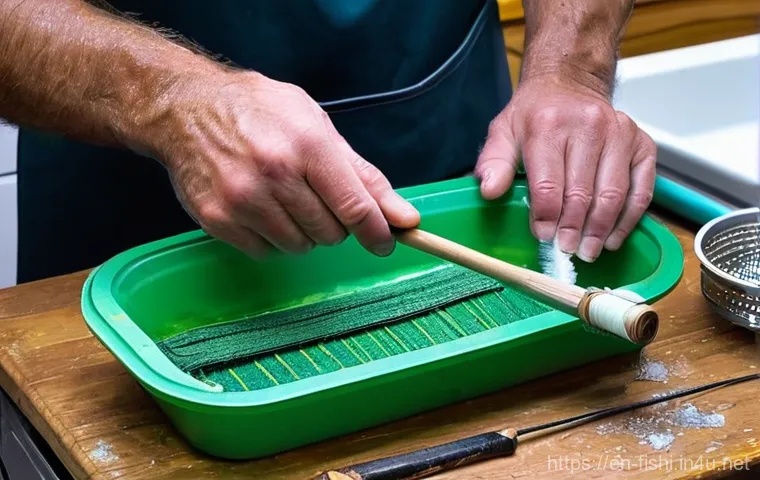
Okay, fellow anglers, let’s be real. After spending hours battling a trophy bass or reeling in a cooler full of fresh fillets, the last thing on your mind is probably cleaning your fishing rod. Trust me, I’ve been there! I used to just toss my rod in the garage after a long day, figuring it would be fine. Big mistake. I learned the hard way that neglecting your rod and reel leads to corrosion, stiffness, and ultimately, a much shorter lifespan for your beloved gear. It wasn’t until I had a reel seize up on a crucial cast that I realized a little preventative maintenance goes a loooong way. It’s not just about keeping things shiny; it’s about preserving performance and saving yourself money in the long run by avoiding costly replacements. Think of it as a small investment in your future fishing trips!
Immediate Post-Trip Essentials: Don’t Delay!
The moment I get home, even before I unpack the cooler, my rods get a quick once-over. This isn’t the deep clean, but it’s vital. I head straight for the garden hose. If you fish in saltwater, this step is absolutely non-negotiable. Saltwater is a beast when it comes to corrosion, and a quick rinse can prevent a lot of headaches later on. Even after freshwater fishing, your rod can collect dirt, algae, or even tiny grit that can scratch the blanks or jam up reel seats. I give everything a good spray, making sure to hit the guides, reel seat, and especially the handle. It takes literally two minutes, but it buys you precious time and stops corrosive elements from really digging in. I’ve seen friends’ rods ruined because they thought a freshwater rinse wasn’t necessary. Believe me, it is.
What to Look For: The Sneaky Stuff
During that initial rinse, I also take a quick moment to visually inspect the rod. Are there any visible cracks in the epoxy around the guides? Is a guide insert missing? Is there any line residue or gunk clinging to the blank? This is your first line of defense against minor issues becoming major problems. I once caught a tiny crack on a guide foot during this stage, which could have eventually led to line fray and a lost fish if I hadn’t spotted it. It’s like a quick health check-up for your rod. Pay attention to the areas where the reel sits – often saltwater can pool there and start its corrosive work. Early detection here can save you a lot of grief and expense down the road, and it lets you prioritize what needs a deeper clean or repair.
The Deep Clean Protocol: Getting Down to Business
Now that the immediate threats are handled, it’s time for the real cleaning. I always set aside a dedicated time for this, usually the day after a big trip. It’s a bit of a ritual for me now, almost meditative. You need to approach this systematically to ensure every component gets the attention it deserves. Skipping a step here is like only washing half your car – it just doesn’t make sense. I lay out an old towel on a workbench or even my kitchen counter (when my wife isn’t looking!), grab my cleaning supplies, and get ready to dismantle. This is where you truly extend the life of your gear. My reels, in particular, have lasted years longer than my fishing buddies’ because I commit to this routine. It’s an extra 15-20 minutes, but it pays dividends in reliability and performance.
Careful Disassembly: Less is More
First things first: take your reel off the rod. This might sound obvious, but you’d be surprised. Then, if your rod is a multi-piece design, carefully separate the sections. I avoid forcing anything; if it’s sticking, a gentle twist and pull usually does the trick. I then set the reel aside for its own cleaning (that’s a whole other adventure!). For the rod itself, I like to remove any line keepers or accessory holders that might be on it. This ensures I can get to every inch of the rod blank and guides without obstruction. It’s crucial not to over-disassemble if you’re not comfortable reassembling. For most casual anglers, simply taking the reel off and separating the rod sections is enough. The goal is to expose all surfaces to cleaning, not to create a puzzle you can’t solve later!
Beyond the Surface: What to Really Look For
Once the rod is in pieces, or at least bare, I give it a thorough visual inspection again, but this time with more focus. I’m looking for hairline cracks in the blank itself, especially near ferrules (the joints where sections connect) and guide wraps. I run my fingers along the inside of each guide ring to feel for any nicks or burrs that could fray my line. This is also the prime time to check the cork or EVA foam handle for any deep gouges or excessive wear. If you find a tiny nick in a guide, sometimes a very fine grit sandpaper can smooth it out, but if it’s a big one, that guide needs replacing. I’ve caught countless small issues this way that would have inevitably led to lost fish or damaged line if left unattended. It’s all about preventative care, folks!
Choosing the Right Cleaning Arsenal for Your Rod
You don’t need a massive collection of specialized cleaning products to keep your rods pristine. In fact, sometimes less is more, and using the wrong stuff can actually do more harm than good. I’ve experimented with various concoctions over the years, and I’ve found a few simple, effective solutions that work wonders without breaking the bank or damaging your gear. Remember, you’re dealing with delicate components and finishes, so harsh chemicals are almost always a no-go. I once tried a heavy-duty degreaser on a reel seat, thinking it would get rid of some stubborn salt crust. It worked, but it also started to dull the finish on the aluminum, which taught me a valuable lesson. Gentle is the way to go here.
My Trusted Cleaning Mix: Simple & Effective
My go-to cleaning solution is incredibly simple: warm water and a mild dish soap. That’s it! A few drops of something like Dawn dish soap in a bucket of warm water is all you need. I use a soft cloth or a sponge, never anything abrasive. For stubborn grime on the blank, an old toothbrush is perfect for gently scrubbing around guide feet and the reel seat. I make sure to work up a nice lather and meticulously wipe down every inch of the rod blank, paying extra attention to the guides and where the handle meets the blank. This gentle soap solution effectively removes salt, dirt, fish slime, and any other gunk without stripping protective coatings or damaging delicate components. After scrubbing, a thorough rinse with clean, fresh water is essential to remove all soap residue. I mean, absolutely all of it! Any leftover soap can attract dirt or leave a film.
Tailoring Your Approach: Materials Matter
While the soap and water method is pretty universal, you might want to consider the materials of your rod components. For cork handles, I sometimes use a specialized cork cleaner or even a paste of baking soda and water to gently lift out grime and restore some of that natural grip. For EVA foam grips, the dish soap works perfectly. If your rod has any metal accents or winding checks, ensure they are thoroughly dried immediately after washing to prevent water spots or corrosion. Carbon fiber blanks are generally very resilient, but a gentle wipe is all they need. It’s about respecting the materials your rod is made from. Don’t go scrubbing carbon fiber with an abrasive pad – you’ll regret it. Here’s a quick overview of materials and general cleaning tips:
| Rod Component | Recommended Cleaning Agent | Important Note |
|---|---|---|
| Carbon Fiber Blank | Warm water + mild dish soap | Avoid harsh abrasives; rinse thoroughly. |
| Cork Handle | Mild dish soap OR specialized cork cleaner | Gentle scrubbing; avoid saturation. |
| EVA Foam Handle | Warm water + mild dish soap | Wipe clean; durable but can retain odor. |
| Guide Rings (Ceramic/Metal) | Warm water + mild dish soap | Inspect for nicks; use soft brush for residue. |
| Reel Seat (Metal/Plastic) | Warm water + mild dish soap | Ensure all salt/dirt is removed from threads. |
Protecting Your Guides and Reel Seats: The Corrosion Battleground
These two areas are, in my experience, the biggest culprits for premature rod failure if ignored. Guides are constantly exposed to line friction, environmental elements, and impact. Reel seats, especially in saltwater environments, are a magnet for corrosive elements that can seize up your reel and ruin your rod’s integrity. I’ve had more than one trip cut short because a reel seat jammed solid, or a guide insert popped out from neglect. It’s frustrating, and totally avoidable with a little focused care. Think about it: the line runs through the guides, and the reel is your direct connection to the fish. If these fail, your fishing day is over.
The Overlooked Hotspots for Damage
When I’m cleaning, I pay extra, *extra* attention to the guide frames and the inside of the guide rings. Salt, sand, and tiny bits of grit love to accumulate here. A soft-bristled brush (an old toothbrush is perfect) is invaluable for getting into all those nooks and crannies around the guide feet and wraps. I also meticulously clean the threads of the reel seat, ensuring no sand or dried salt is left behind. This is crucial for smooth reel attachment and removal. If you hear a grinding noise when screwing on your reel, that’s a huge red flag! I learned to always check for tiny bits of fishing line that can get wrapped around guide feet or inside the reel seat threads, as these can cause premature wear or even block proper lubrication. These tiny details are often the ones that make the biggest difference in your rod’s longevity and performance.
Why Corrosion is the Silent Killer
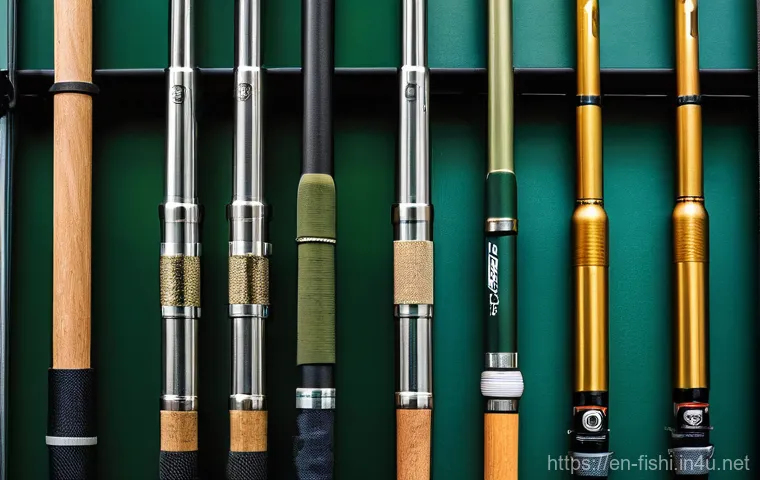
Corrosion, especially on metal components like guide frames and reel seats, is the silent killer of fishing rods. It starts as a tiny speck, often unnoticed, and then slowly but surely eats away at the metal, weakening it and eventually causing failure. Saltwater is the ultimate accelerator for this process, but even freshwater can cause rust if not properly dried. I remember once neglecting a rod for a few weeks after a particularly damp trip, only to find the reel seat threads fused with rust. It was a nightmare to get the reel off, and the rod was almost ruined. After a thorough cleaning, I always make sure these metal parts are bone dry. Sometimes, a very light spray of a corrosion inhibitor, specifically designed for fishing gear, can be a great preventative measure, but make sure it’s applied sparingly and wiped clean to avoid residue that can attract dirt.
Lubrication and Protection: The Finishing Touches
Once everything is sparkling clean and dry, it’s time for the final, crucial steps: lubrication and protection. This is where you truly lock in the cleanliness and prepare your rod for its next adventure. Skipping this part is like running a marathon without stretching – you might get through it, but you’ll feel it later! A properly maintained rod feels smoother, performs better, and lasts significantly longer. This is the moment I feel like I’m truly pampering my gear, ensuring it’s in peak condition for whatever the next fishing trip throws at me. It’s a small investment of time that pays dividends in every cast and every retrieve.
The Right Lube for the Right Spot
When it comes to lubrication, think minimal and specific. You don’t want to drench your entire rod in oil! For the ferrules (the joints where multi-piece rods connect), a very light application of a specialized ferrule wax or even a dedicated ferrule lubricant can work wonders. This prevents the sections from sticking or, conversely, from working themselves loose during casting. For the reel seat threads, a tiny dab of marine-grade grease or even a silicone-based lubricant ensures smooth operation and prevents corrosion. I usually apply a very thin coat with a cotton swab. The goal here is to reduce friction and enhance protection without attracting dirt or dust, which would defeat the whole purpose of cleaning. Less is definitely more in this department. I once over-lubricated a ferrule and it made the rod sections slip, which was incredibly annoying on a fishing trip.
Don’t Forget Those Reel Components
While this post is primarily about rod care, it’s impossible to talk about lubrication without a nod to the reel. Once your rod is pristine, it’s the perfect time to give your reel some love. A light coat of reel oil on the main shaft, handle knobs, and any exposed bearings will keep things spinning freely. A touch of reel grease on the gears (if you’ve opened up your reel for deeper cleaning) is also crucial. Remember, your rod and reel work as a team, and neglecting one impacts the performance of the other. Keeping them both well-maintained ensures you get that buttery-smooth casting and retrieving action that makes fishing so enjoyable. It’s an integrated system, and every part plays a role in your overall angling success.
Drying and Storing: The Final Steps to Rod Longevity
You’ve cleaned, inspected, and lubricated. Now, the final, yet equally critical, phase: proper drying and storage. This isn’t just about keeping your rod neat; it’s about preventing moisture from undoing all your hard work and protecting your investment from physical damage. I’ve seen too many fantastic rods get ruined by improper drying or by being tossed haphazardly into a corner. After putting in all that effort, you really don’t want to fall at the last hurdle. This step ensures that when you grab your rod for your next outing, it’s in exactly the same pristine condition you left it in, ready to perform at its best.
Air Dry, Don’t Bake!
After rinsing and wiping down your rod, it’s absolutely vital to let it air dry completely. I usually hang my rods vertically from a hook in my garage or shed, or lay them flat on a clean, dry surface, ensuring good air circulation. Resist the urge to use a hairdryer or place them in direct sunlight for accelerated drying. Excessive heat can damage the epoxy finishes, guide wraps, and even weaken the rod blank over time. Patience is a virtue here! Depending on the humidity, this can take a few hours, or even overnight. I make sure to give it a final wipe with a clean, dry micro-fiber cloth right before storing, just to catch any lingering moisture or dust. Trust me, finding a tiny bead of water in a guide later is incredibly frustrating, especially if it leads to an unsightly water spot or, worse, corrosion.
Smart Storage Solutions for the Long Haul
Once completely dry, how you store your rod matters immensely. Never, ever store a rod wet or even damp. That’s a recipe for mildew, corrosion, and damage. I prefer to store my rods in individual rod sleeves or cases. This prevents scratches, dings, and keeps dust off them. Storing them horizontally or vertically, ensuring they aren’t bent or under any stress, is key. Avoid leaning them against a wall where they might tip over and break a guide, or worse, the tip. For multi-piece rods, I often store the sections separated in their original cloth bag or a hard case. Keeping your rods in a climate-controlled environment, away from extreme temperatures and humidity fluctuations, is also a huge plus. This isn’t just about protecting them from physical damage, but also about preserving the integrity of the materials over time. A little care in storage ensures your rod is always ready for your next big adventure, performing like the day you bought it.
Wrapping Things Up
So, there you have it, folks! Taking care of your fishing rod isn’t just a chore; it’s an essential ritual that ensures your gear performs flawlessly, trip after trip. Believe me, the peace of mind that comes from knowing your equipment is in top shape is priceless, especially when you’re battling that once-in-a-lifetime catch. By investing a little time in cleaning, inspecting, and properly storing your rods, you’re not just preserving gear – you’re preserving memories and ensuring countless more adventures on the water. Keep those lines wet and those rods ready!
Useful Information to Know
1. Regular Check-ups are Key: Make it a habit to quickly inspect your rod and reel before and after *every* outing, not just after a big trip. Early detection of minor issues can save you from major headaches and costly repairs down the line. It’s like a quick health check for your gear, preventing small problems from escalating.
2. Invest in Quality Storage: A good rod sleeve or a hard case isn’t an extravagance; it’s an investment. It protects your rod from accidental bumps, scratches, and dust accumulation during transport and storage, significantly extending its cosmetic and structural life.
3. Know Your Gear’s Materials: Different rod components require slightly different care. Cork handles benefit from gentle cleaning, while carbon blanks just need a soft wipe. Understanding what your rod is made of helps you choose the right cleaning agents and methods, preventing accidental damage.
4. Don’t Forget About Your Reel: While this post focused on rods, remember that your rod and reel are a team. A well-maintained rod paired with a neglected reel will still lead to performance issues. Always give your reel the same meticulous care, including proper lubrication, for optimal fishing synergy.
5. Patience with Drying: Never rush the drying process. Air drying in a well-ventilated area is always best. Using heat or storing a damp rod can lead to mildew, corrosion, and damage to finishes, undoing all your hard work and potentially shortening your rod’s lifespan.
Key Takeaways
In my years on the water, I’ve learned that truly extending the life of your fishing rods boils down to a few core principles. Firstly, immediate post-trip rinsing is non-negotiable, especially after saltwater adventures. This simple step literally washes away the most aggressive corrosive elements before they can set in, saving you from a world of trouble. Secondly, meticulous cleaning with mild agents – think warm water and dish soap – ensures every speck of grime and salt is removed without damaging delicate components. I’ve seen too many anglers use harsh chemicals, only to regret it when finishes become dull or worse. Thirdly, focused inspection of guides and reel seats is paramount; these are the common failure points, and catching a tiny crack or a seized thread early can prevent a ruined trip or a broken rod. Lastly, proper drying and smart storage complete the cycle, ensuring your rod is protected from moisture and physical damage until your next adventure. It’s all about consistent, thoughtful care that directly translates to more reliable gear and more enjoyable time fishing!
Frequently Asked Questions (FAQ) 📖
Q: How often should I really clean my fishing rod, especially if I’m out on the water a lot?
A: Oh, this is a question I hear all the time, and trust me, I totally get it. After a long, fun day fishing, the last thing you want to do is more “work,” right?
Here’s my honest take: ideally, you should give your rod a quick rinse with fresh water after every single outing. Seriously, a quick spray down, especially around the guides and reel seat, can make a huge difference in washing away corrosive elements, sand, or just general gunk.
From my own experience, I know that’s not always realistic, particularly if you’re hitting the water several times a week. So, at a minimum, aim for a thorough, deep clean every three to five trips.
If you’ve been in particularly murky water, heavy rain, or especially saltwater, then definitely make that thorough clean a priority right away. Think of it like taking a shower after a workout – you wouldn’t skip it for too long, or things start to get a bit…
funky. Plus, that routine cleaning helps you spot any minor issues before they become major problems, saving you headaches and money down the line!
Q: What’s the biggest mistake people make when cleaning their rods, and how can I avoid it to keep my gear in top shape?
A: Okay, this is a fantastic question because I’ve seen it, and honestly, I’ve even been guilty of it myself in my earlier fishing days! The biggest mistake by far is either neglecting to clean the rod at all or, on the flip side, using harsh, abrasive cleaners or tools that are just too aggressive.
I once thought a stiff brush and some strong detergent would “really get it clean,” and boy, was I wrong! It scratched the finish and even started to degrade the reel seat.
You want to avoid anything that can strip protective coatings, corrode metal components, or damage sensitive areas like your guide inserts. Instead, think gentle and thorough.
Use a soft cloth, some mild soap (dish soap works great!), and always, always use fresh water. Pay extra attention to those nooks and crannies around the guides and the reel seat where grime loves to hide.
And another big one: make sure it’s completely dry before you store it. Trapped moisture is the enemy, especially for your guides, leading to rust or corrosion.
A little patience and a gentle touch will save your rod from an early retirement!
Q: Is there a significant difference in how I should clean my fishing rod if I’ve been fishing in saltwater versus freshwater?
A: Absolutely, there’s a huge difference, and it’s one of the most critical aspects of rod care! I’ve spent countless hours fishing both, and I can tell you firsthand that saltwater is a whole different beast.
Freshwater fishing, while it can still get your rod dirty with mud or plant matter, is generally less corrosive. A good rinse and wipe down with a mild cleaner usually does the trick.
But saltwater? Oh, that salt spray and brackish water are incredibly aggressive. If you’re a saltwater angler like me, a thorough rinse with fresh water immediately after your trip is non-negotiable.
I mean, as soon as you get home, before you even unload the tackle box! Pay extra, extra attention to your guides, reel seat, and any metal components.
Salt can crystalize and cause irreversible damage, like pitting and corrosion, surprisingly quickly. You’ll want to gently scrub any visible salt residue and ensure every part is meticulously dried afterward.
I personally like to give my saltwater rods an extra wipe-down with a silicone-based protective spray after they’re completely dry, just for that added layer of defense.
Trust me, treating your saltwater gear with that extra respect will dramatically extend its life and keep it performing like a dream for years to come.